

 プレビュー
プレビュー
 プリントを購入
 シェアする
シェアする シェアする
シェアする
 詳細を見る
詳細を見る

 ダウンロード
 似ている作品
 X線調査
X線調査 スライドショー
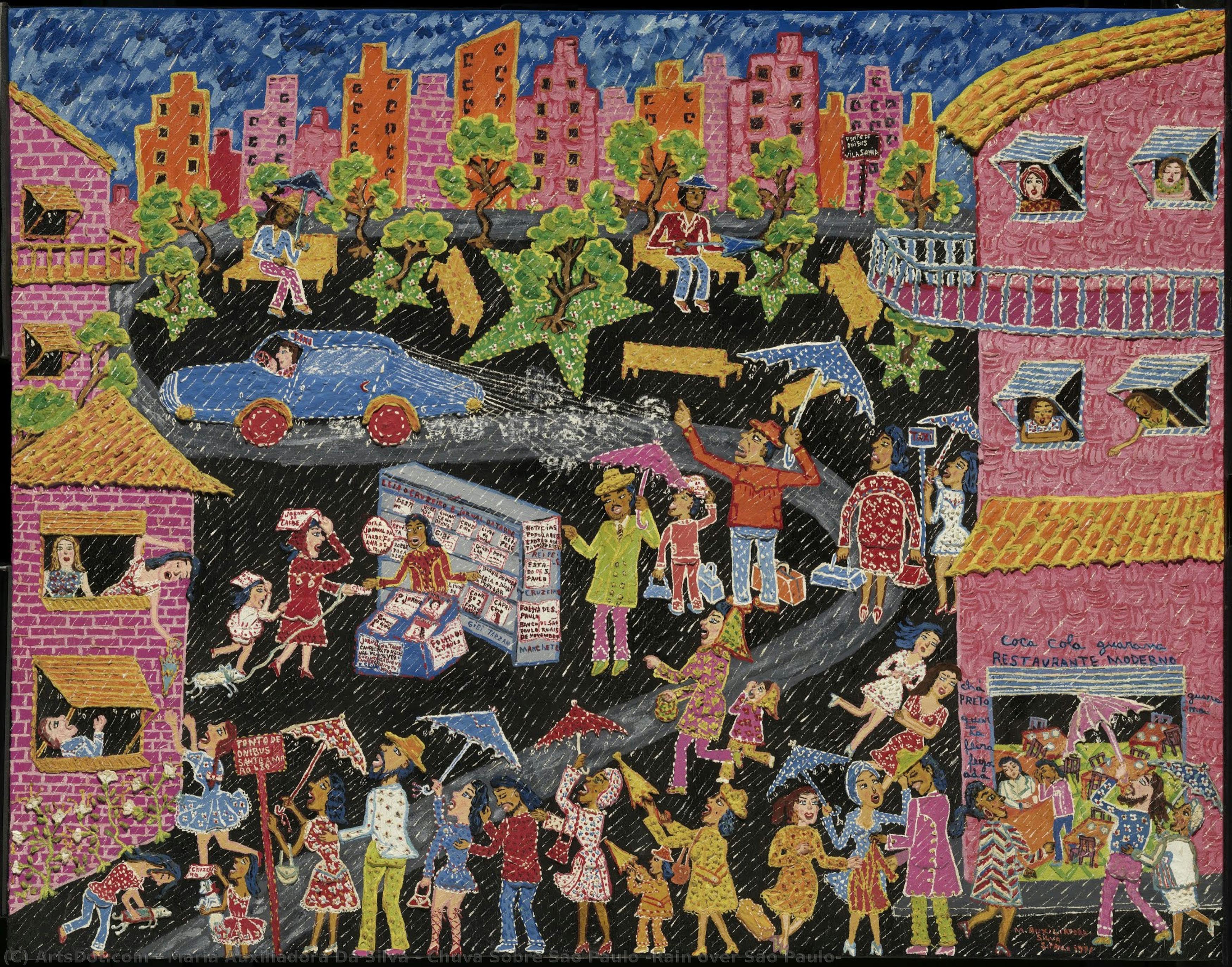
Chuva Sobre São Paulo (Rain over São Paulo)


 詳細を見る
詳細を見る
オンラインプレビューをはるかに凌ぐ、高解像度で鮮明なデジタル画像をご購入いただけます。
各ファイルは、社内の専門家が高度なツールと熟練した手作業によるレタッチを用いて、細心の注意を払って準備されています。すべての画像において、卓越した鮮明度、正確な色彩再現性、そして繊細なディテールを保証いたします。
最終ファイルは、プロフェッショナルな編集・印刷環境ですぐにご利用いただけるよう最適化された状態で、72時間以内にメールにてお届けいたします。これは、一流のデザインスタジオ、出版社、ギャラリーから信頼されているものと同等の品質です。
デジタル画像のご注文に付随する特典
高品質なデジタル画像配信を、確かな品質で。
ArtsDot.com を選ぶことは、単に画像を手に入れることではありません。それは、プロの手によって精密に仕上げられ、満足保証が付いた高品質なデジタルアートワークを受け取ることを意味します。ご注文いただいた際に自動的に付随する内容は、以下の通りです:

メールですぐにお届け
ご注文から72時間以内に、高解像度のデジタル画像ファイルがメールでお手元に届きます。すぐにそのままご利用いただけます。

AI技術で最適化されたデジタルファイル
お客様の作品は、高度なAIツールと専門家による手作業の編集を組み合わせてプロフェッショナルに最適化されており、細部のディテール、鮮明さ、そして正確な色再現性を最大限に引き出しています。

一生涯無料の再送サービス
ファイルを誤って削除したり、紛失してしまったりしましたか?ご安心ください。いつでも無料で再送いたします。

輸入手数料は一切かかりません
関税や手数料、配送料を気にすることなく、お気に入りのアートワークをすぐにお楽しみいただけます。デジタルダウンロードは常に免税です。

色彩再現の保証
プロ仕様のツールとカラーマネジメント技術を用いることで、デジタル画像が元の色を最大限に忠実に再現することを保証いたします。

60日間満足保証
ご購入いただいたデジタル画像にご満足いただけない場合は、60日以内であれば、修正または100%の返金(理由を問う必要はありません)をさせていただきます。

100% 返金保証
ご満足いただけない場合は、デジタルファイルを受け取ってから60日以内であれば、理由を問わず全額返金いたします。

まとめ買い割引
3枚購入で10%OFF - 5枚購入で15%OFF - 10枚以上購入で20%OFF。クリエイティブなプロジェクト、ギャラリー、エージェンシーに最適です。
A Symphony of Resilience in the Heart of São Paulo
To step into Maria Auxiliadora da Silva’s “Chuva Sobre São Paulo” (Rain over São Paulo) is to be swept into a torrential, yet strangely beautiful, urban ballet. Painted in 1971, this masterpiece does not merely observe a storm; it captures the very pulse of Brazilian life during a moment of atmospheric upheaval. The canvas vibrates with the energy of a bustling street scene where the rain has descended upon the city, forcing its inhabitants into a shared experience of navigation and survival. Through her eyes, we see more than just pedestrians with umbrellas; we witness a profound tapestry of human connection, where the chaos of a downpour is tempered by the warmth of community spirit and the rhythmic movement of a metropolis that refuses to be stilled by the elements.
The visual language of the piece is nothing short of hypnotic. Silva, a self-taught visionary, employs an Expressionist approach that prioritizes emotional truth over photographic accuracy. The sky is a dramatic theater of deep blues and verdant greens, heavy with the weight of the storm, which contrasts sharply against the sun-drenched warmth of the clothing and architecture below. This deliberate use of color creates a palpable tension—a visual drama that mirrors the electric energy of São Paulo itself. As your eyes wander across the composition, you encounter a diverse cast of characters: individuals of varying ethnicities and socioeconomic backgrounds, all united by the shared task of traversing the slick, rain-soaked streets. There is a subtle, witty narrative hidden in the details, such as a taxi speeding away from a waiting passenger, reminding us that even in the midst of nature's intensity, the frantic pace of urban life persists.
Texture, Soul, and the Art of Defiance
What truly distinguishes this work for the discerning collector is its extraordinary physical presence. Silva’s technique is deeply tactile, utilizing a thick impasto method that gives the painting a sculptural quality. The layers of acrylic paint are applied with such vigor that the canvas seems to breathe with the movement of the city. In an act of profound personal expression, she even incorporated plaster mixed with her own hair into certain sections of the work, bridging the gap between the artist's physical self and the medium itself. This infusion of organic matter transforms the painting from a mere representation into a relic of lived experience, adding a layer of intimacy that is rare in contemporary urban landscapes.
The historical weight of “Chuva Sobre São Paulo” adds an even deeper layer of meaning for those who appreciate art with a narrative soul. Created during the artist's courageous battle against cancer, the painting serves as a testament to her indomitable spirit. Silva famously described her creative process as "painting my illness," turning her personal struggle into a vibrant celebration of life and light. This sense of defiance is woven into every brushstroke; even as the rain falls heavily upon the figures in the street, there is an underlying sense of optimism and communal strength. For an interior designer or art lover, this piece offers more than just a striking visual focal point; it provides a profound emotional anchor—a reminder that beauty and resilience can be found even in the most turbulent of storms.
関連作品
作家の略歴
James Lewis Dine: A Life Engraved in Line and Form
Born in June 1935 in Cincinnati, Ohio, James Dine’s artistic journey began not within the hallowed halls of formal education but amidst the quiet intimacy of his grandparents' basement. This early exposure to woodcuts—a potent blend of German Expressionism and the raw energy of printmaking—proved a pivotal influence, shaping his lifelong fascination with line, repetition, and the inherent beauty of process. Dine’s work isn’t simply about creating images; it’s an exploration of how those images are made, inviting viewers to contemplate the act of creation itself. From these humble beginnings, he embarked on a career that would redefine contemporary art, moving beyond traditional notions of representation and embracing a uniquely democratic approach to visual language.
- Early Influences: The works of Ernst Ludwig Kirchner, Emil Nolde, and Max Beckmann ignited Dine’s passion for printmaking.
- The Judson Gallery: In 1958, he co-founded the Judson Gallery with Claes Oldenburg, Marcus Ratliff, Allan Kaprow, and Bob Whitman, a space that became synonymous with the burgeoning “happenings” movement – performances that blurred the boundaries between art and life.
- The Smiling Workman (1959): This iconic piece, a simple line drawing of a smiling worker, marked a turning point in Dine’s career, establishing his signature style of reductive imagery and challenging conventional notions of artistic subject matter.
A Revolution in Printmaking: From Repetition to Accessibility
Dine's artistic philosophy fundamentally shifted the landscape of printmaking. Rejecting the elitism often associated with fine art prints, he championed a process accessible to all. His work is characterized by an almost obsessive repetition of simple forms—lines, circles, squares—often executed in multiples using techniques like lithography, etching, woodcuts, and letterpress. This deliberate act of duplication wasn’t merely about mass production; it was a conscious effort to democratize art, making it available to a wider audience. He famously stated that he wanted “to make the world more beautiful,” believing that even the simplest image could possess profound aesthetic value.
- Lithography and Etching: Dine’s early training in these techniques provided him with the technical skills necessary to execute his complex, layered prints.
- Gravure and Intaglio Techniques: He masterfully employed gravure and intaglio methods, creating intricate textures and tonal variations within his repetitive designs.
- The “Line” as a Central Theme: Dine’s work is fundamentally about the line—its weight, its direction, its capacity to define form and create rhythm.
Beyond the Print: Sculpture, Photography, and Performance
While printmaking remains at the core of Dine's artistic practice, his creative explorations have consistently expanded beyond the confines of the printed page. He has ventured into sculpture, creating minimalist forms often constructed from simple materials like wood and metal. His photographic work is equally understated, capturing everyday scenes with a directness that belies their inherent beauty. Furthermore, Dine’s involvement in happenings and performance art demonstrated his commitment to engaging directly with audiences, blurring the lines between artist and viewer.
- Sculptural Explorations: His sculptures often reflect the principles of repetition and reduction found in his prints.
- Photography as Observation: Dine’s photographs are characterized by their quiet intimacy and attention to detail, capturing fleeting moments of beauty in the mundane.
- The Performance Artist: He actively participated in happenings, creating immersive experiences that challenged traditional notions of artistic presentation.
A Lasting Legacy: Redefining Contemporary Art
James Dine’s impact on contemporary art is undeniable. By stripping away the complexities and pretension often associated with fine art, he redefined the possibilities of printmaking and encouraged a more democratic approach to visual culture. His work continues to resonate today, inviting viewers to contemplate the relationship between process, form, and meaning. Dine's legacy lies not just in his distinctive aesthetic but also in his unwavering belief that art should be accessible, engaging, and ultimately, beautiful.
Key Works
- The Smiling Workman (1959)
- Various series of repetitive line drawings (e.g., *Lines*, *Circles*)
- Numerous lithographs, etchings, and woodcuts exploring themes of labor, identity, and the everyday.
Exhibitions
Dine’s work has been exhibited extensively throughout his career, including solo shows at major museums and galleries worldwide. Notable exhibitions include retrospectives at the Museum of Modern Art (New York), the Tate Gallery (London), and numerous regional institutions.
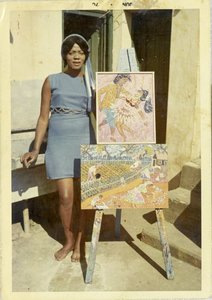
maria auxiliadora da silva
1935 - 1974

