

 プレビュー
プレビュー
 プリントを購入
 シェアする
シェアする シェアする
シェアする
 詳細を見る
詳細を見る

 ダウンロード
 似ている作品
 X線調査
X線調査 スライドショー
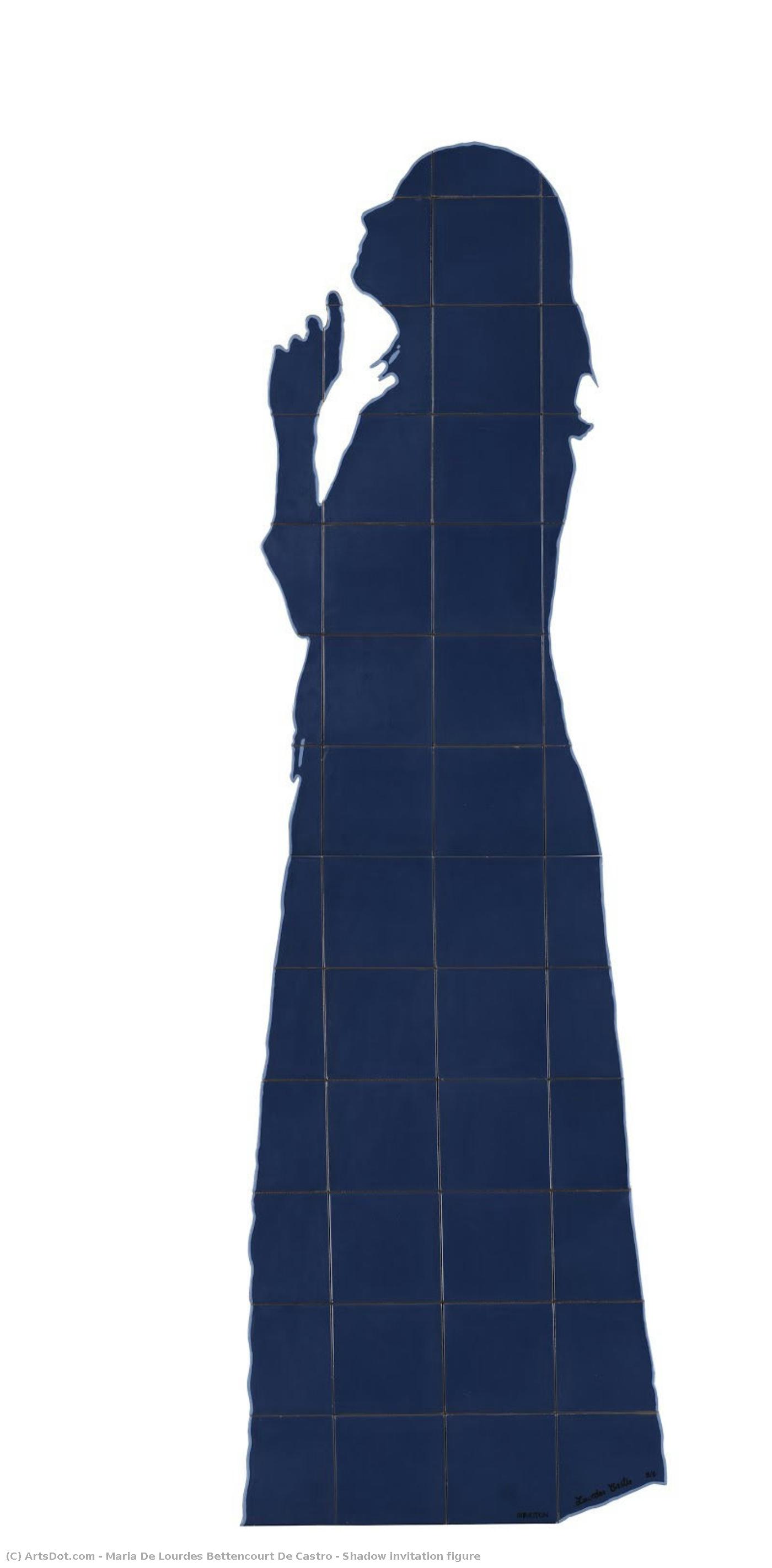
Shadow invitation figure
 Geometric Abstraction
 1990
1990 175.0 x 55.0 cm
 National Azulejo Museum
 詳細を見る
詳細を見る




































作品のオリジナル比率に合わせた、当店の規定サイズからお選びください。

特定のフレームやスペースに合わせて、ご希望のサイズをご入力いただけます。選択されたサイズが元の画像の比率と異なる場合、アートワークをトリミングするか、手描きで要素を追加して絵画を拡張いたします。デジタルモックアップ を制作し、制作開始前にご確認(承認)をいただきます。
画面上のプレビューは、実際のトリミングや拡張を正確に反映しているものではありません。最終的な構図は、モックアップによってのみ正確にご確認いただけます。
カスタムサイズもご利用いただけますが、元の比率を維持するためには、あらかじめ用意されたリストからサイズを選択することをお勧めいたします。
ご注文後、ArtsDot.com チームより詳細な指示をお送りするとともに、仕上がりイメージ(モックアップ)をご提供いたします。


 ガラスオプションは、110cm未満のサイズでのみご利用いただけます。

Shadow invitation figure
複製技法
複製画のサイズ
-


合計金額
$ 263
関連作品



アーティストの略歴
A Legacy of Shadows and Light: The Life of Lourdes Castro
The history of twentieth-century European art is enriched by the profound, ephemeral presence of Maria de Lourdes Bettencourt de Castro, known globally as Lourdes Castro. Born in the lush landscapes of Funchal, Madeira, in 1930, Castro’s journey was one of constant metamorphosis, moving from the traditional foundations of Lisbon to the avant-garde heart of Paris. Her early years at the School of Art in Lisbon provided her with a rigorous technical foundation, yet it was her departure for France in 1958 that truly ignited her creative spirit. Immersed in the vibrant intellectual atmosphere of Paris, she became a vital member of the influential KWY group, a collective that sought to dismantle the boundaries of conventional art and explore the raw, experimental possibilities of the era.
Castro’s artistic evolution is a fascinating study in the transition from the tangible to the intangible. In the 1950s, her work was characterized by an abstract lyricism, where canvases were alive with vibrant hues and expressive brushstrokes that whispered of Surrealist dreams. However, as she matured, her focus shifted toward a more confrontational and sculptural exploration of space. During the early 1960s, she began creating her celebrated Silver-Teinted Object Constructions. These works utilized metallic pigments to create ethereal, shimmering surfaces, inviting viewers to contemplate the very nature of materiality and perception. This period marked her departure from mere representation toward a profound engagement with the physical properties of light and form.
The Art of the Ephemeral: Technique and Symbolism
Perhaps the most enduring hallmark of Castro’s oeuvre is her mastery over the interplay between presence and absence. She became a virtuoso of the shadow, using silhouettes to create a unique visual language that bridged the gap between reality and illusion. Her work often functioned as a delicate dance of light, where what was omitted from the frame was just as significant as what was depicted. This fascination with the ephemeral is evident in several key areas of her practice:
- Shadow Theatre and Silhouettes: Castro utilized shadows to create portraits that felt both intimate and ghostly, stripping subjects down to their most essential outlines.
- Abstract Minimalism: In works such as her 1984 tapestry Sombra em Clave de Sol, she employed geometric shapes to explore the profound depth found within minimalist compositions.
- Surrealist Imagery: Her ability to blend disparate elements—such as the striking imagery in her Untitled work featuring a black and white cat—demonstrates her connection to the Nouveau Réalisme movement, blending glamour with surrealist tension.
- Geometric Abstraction: Influenced by the legacy of Picasso, her later paintings often utilized geometric structures to explore complex emotional landscapes through light and shadow.
Through these diverse mediums—ranging from silk screens and collages to sculptural assemblages—Castro maintained a consistent preoccupation with the concept of ephemeral reality. She did not merely paint objects; she painted the memory of them, the way they interact with light, and the way they vanish when the light shifts. Her work serves as a bridge between the solid world of objects and the fluid world of perception.
Historical Significance and Artistic Triumph
The significance of Lourdes Castro lies in her refusal to be confined by a single movement or medium. She was an artist who thrived on experimentation, constantly pushing against the edges of what could be considered "art." By integrating elements of shadow theatre, sculpture, and painting, she challenged the viewer to look beyond the surface of the canvas. Her contribution to the KWY group helped redefine the trajectory of Portuguese experimental art, bringing a localized perspective into the broader conversation of European modernism.
Today, Castro is remembered not just as a pioneer of Portuguese abstraction, but as a poet of the visual realm. Her ability to capture the fleeting moment—the way a shadow falls across a wall or the way a metallic surface catches a stray beam of light—ensures her place in the pantheon of great twentieth-century artists. Her legacy continues to inspire contemporary creators who seek to find beauty in the transient, the obscured, and the beautifully unseen.

maria de lourdes bettencourt de castro
1930 - 2022 , Portugal
基本情報
- Artistic Movement Or Style: Abstract art; Geometric abstraction
- Artists Or Movements Influenced By This Artist:
- Cubism
- Expressionism
- Artists Who Influenced This Artist:
- Pablo Picasso
- Arthur Bual de Almeida
- Date Of Birth: December 9, 1930
- Date Of Death: January 8, 2022
- Full Name: Maria de Lourdes Bettencourt de Castro (Lourdes Castro)
- Nationality: Portuguese
- Notable Artworks:
- Untitled
- Shadow invitation figure
- Place Of Birth: Funchal, Portugal
関連記事

幾何学的抽象絵画を定義した傑作10選|アート、アーティスト、インテリア装飾
モンドリアン、マレーヴィチ…幾何学的抽象絵画を代表する傑作10選。各作品の背景や色彩構成、アーティストの情熱に迫ります。美術館品質の複製画はArtsDot.comで。オンラインでアートコレクションをご覧ください。
Beyond Form & Color: Geometric Abstraction's Evolution in 20th/21st Century Art
Explore the evolution of geometric abstraction from Cubism to contemporary art. Discover key artists like Malevich & Mondrian, investment insights, and expert collecting advice at ArtsDot.
Beyond Form & Color: Geometric Abstraction's Enduring Legacy in Art History
Explore the captivating world of geometric abstraction! Discover its origins, key artists like Malevich & Mondrian, and why this movement remains highly valued by art collectors today. Expert insights at ArtsDot.

Kandinsky's Masterpieces: 25 Paintings That Define Abstract Art | ArtsDot
Journey through Wassily Kandinsky's 25 most iconic abstract paintings. Explore his revolutionary use of color, form & spiritual expressionism. Find museum-quality Kandinsky reproductions and elevate your home decor with ArtsDot.com. Discover all masterpieces on ArtsDot.com!
Beyond Form: Exploring the Philosophical Foundations of Geometric Abstraction
Explore the philosophical roots & artistic evolution of geometric abstraction with ArtsDot. Discover Mondrian, Malevich, De Stijl & more. Expert insights for collectors and art enthusiasts.

