

 プレビュー
プレビュー
 プリントを購入
 シェアする
シェアする シェアする
シェアする
 詳細を見る
詳細を見る

 ダウンロード
 似ている作品
 X線調査
X線調査 スライドショー
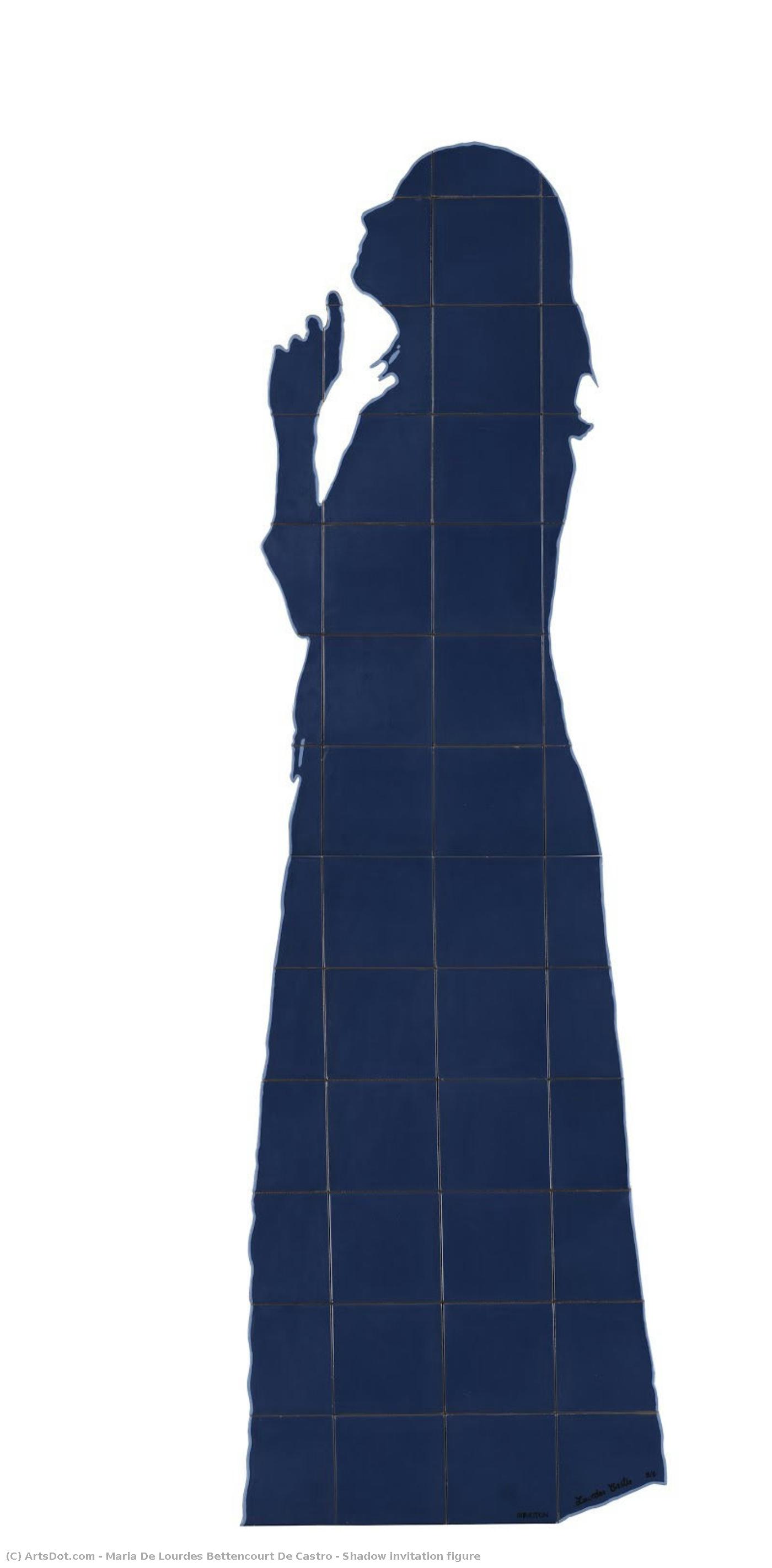
Shadow invitation figure
 Geometric Abstraction
 1990
1990 175.0 x 55.0 cm
 National Azulejo Museum
 詳細を見る
詳細を見る
オンラインプレビューをはるかに凌ぐ、高解像度で鮮明なデジタル画像をご購入いただけます。
各ファイルは、社内の専門家が高度なツールと熟練した手作業によるレタッチを用いて、細心の注意を払って準備されています。すべての画像において、卓越した鮮明度、正確な色彩再現性、そして繊細なディテールを保証いたします。
最終ファイルは、プロフェッショナルな編集・印刷環境ですぐにご利用いただけるよう最適化された状態で、72時間以内にメールにてお届けいたします。これは、一流のデザインスタジオ、出版社、ギャラリーから信頼されているものと同等の品質です。
デジタル画像のご注文に付随する特典
高品質なデジタル画像配信を、確かな品質で。
ArtsDot.com を選ぶことは、単に画像を手に入れることではありません。それは、プロの手によって精密に仕上げられ、満足保証が付いた高品質なデジタルアートワークを受け取ることを意味します。ご注文いただいた際に自動的に付随する内容は、以下の通りです:

メールですぐにお届け
ご注文から72時間以内に、高解像度のデジタル画像ファイルがメールでお手元に届きます。すぐにそのままご利用いただけます。

AI技術で最適化されたデジタルファイル
お客様の作品は、高度なAIツールと専門家による手作業の編集を組み合わせてプロフェッショナルに最適化されており、細部のディテール、鮮明さ、そして正確な色再現性を最大限に引き出しています。

一生涯無料の再送サービス
ファイルを誤って削除したり、紛失してしまったりしましたか?ご安心ください。いつでも無料で再送いたします。

輸入手数料は一切かかりません
関税や手数料、配送料を気にすることなく、お気に入りのアートワークをすぐにお楽しみいただけます。デジタルダウンロードは常に免税です。

色彩再現の保証
プロ仕様のツールとカラーマネジメント技術を用いることで、デジタル画像が元の色を最大限に忠実に再現することを保証いたします。

60日間満足保証
ご購入いただいたデジタル画像にご満足いただけない場合は、60日以内であれば、修正または100%の返金(理由を問う必要はありません)をさせていただきます。

100% 返金保証
ご満足いただけない場合は、デジタルファイルを受け取ってから60日以内であれば、理由を問わず全額返金いたします。

まとめ買い割引
3枚購入で10%OFF - 5枚購入で15%OFF - 10枚以上購入で20%OFF。クリエイティブなプロジェクト、ギャラリー、エージェンシーに最適です。
関連作品
作家の略歴
A Legacy of Shadows and Light: The Life of Lourdes Castro
The history of twentieth-century European art is enriched by the profound, ephemeral presence of Maria de Lourdes Bettencourt de Castro, known globally as Lourdes Castro. Born in the lush landscapes of Funchal, Madeira, in 1930, Castro’s journey was one of constant metamorphosis, moving from the traditional foundations of Lisbon to the avant-garde heart of Paris. Her early years at the School of Art in Lisbon provided her with a rigorous technical foundation, yet it was her departure for France in 1958 that truly ignited her creative spirit. Immersed in the vibrant intellectual atmosphere of Paris, she became a vital member of the influential KWY group, a collective that sought to dismantle the boundaries of conventional art and explore the raw, experimental possibilities of the era.
Castro’s artistic evolution is a fascinating study in the transition from the tangible to the intangible. In the 1950s, her work was characterized by an abstract lyricism, where canvases were alive with vibrant hues and expressive brushstrokes that whispered of Surrealist dreams. However, as she matured, her focus shifted toward a more confrontational and sculptural exploration of space. During the early 1960s, she began creating her celebrated Silver-Teinted Object Constructions. These works utilized metallic pigments to create ethereal, shimmering surfaces, inviting viewers to contemplate the very nature of materiality and perception. This period marked her departure from mere representation toward a profound engagement with the physical properties of light and form.
The Art of the Ephemeral: Technique and Symbolism
Perhaps the most enduring hallmark of Castro’s oeuvre is her mastery over the interplay between presence and absence. She became a virtuoso of the shadow, using silhouettes to create a unique visual language that bridged the gap between reality and illusion. Her work often functioned as a delicate dance of light, where what was omitted from the frame was just as significant as what was depicted. This fascination with the ephemeral is evident in several key areas of her practice:
- Shadow Theatre and Silhouettes: Castro utilized shadows to create portraits that felt both intimate and ghostly, stripping subjects down to their most essential outlines.
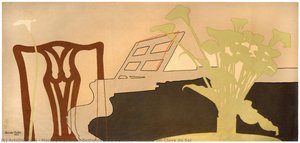
- Abstract Minimalism: In works such as her 1984 tapestry Sombra em Clave de Sol, she employed geometric shapes to explore the profound depth found within minimalist compositions.
- Surrealist Imagery: Her ability to blend disparate elements—such as the striking imagery in her Untitled work featuring a black and white cat—demonstrates her connection to the Nouveau Réalisme movement, blending glamour with surrealist tension.
- Geometric Abstraction: Influenced by the legacy of Picasso, her later paintings often utilized geometric structures to explore complex emotional landscapes through light and shadow.
Through these diverse mediums—ranging from silk screens and collages to sculptural assemblages—Castro maintained a consistent preoccupation with the concept of ephemeral reality. She did not merely paint objects; she painted the memory of them, the way they interact with light, and the way they vanish when the light shifts. Her work serves as a bridge between the solid world of objects and the fluid world of perception.
Historical Significance and Artistic Triumph
The significance of Lourdes Castro lies in her refusal to be confined by a single movement or medium. She was an artist who thrived on experimentation, constantly pushing against the edges of what could be considered "art." By integrating elements of shadow theatre, sculpture, and painting, she challenged the viewer to look beyond the surface of the canvas. Her contribution to the KWY group helped redefine the trajectory of Portuguese experimental art, bringing a localized perspective into the broader conversation of European modernism.
Today, Castro is remembered not just as a pioneer of Portuguese abstraction, but as a poet of the visual realm. Her ability to capture the fleeting moment—the way a shadow falls across a wall or the way a metallic surface catches a stray beam of light—ensures her place in the pantheon of great twentieth-century artists. Her legacy continues to inspire contemporary creators who seek to find beauty in the transient, the obscured, and the beautifully unseen.

maria de lourdes bettencourt de castro
1930 - 2022 , Portugal
プロフィール概要
- Artistic Movement Or Style: Abstract art; Geometric abstraction
- Artists Or Movements Influenced By This Artist:
- Cubism
- Expressionism
- Artists Who Influenced This Artist:
- Pablo Picasso
- Arthur Bual de Almeida
- Date Of Birth: December 9, 1930
- Date Of Death: January 8, 2022
- Full Name: Maria de Lourdes Bettencourt de Castro (Lourdes Castro)
- Nationality: Portuguese
- Notable Artworks:
- Untitled
- Shadow invitation figure
- Place Of Birth: Funchal, Portugal

