


 プレビュー
プレビュー
 シェアする
シェアする シェアする
シェアする
 詳細を見る
詳細を見る

 ダウンロード
 似ている作品
 X線調査
X線調査 スライドショー
 統計情報
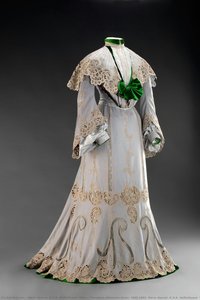
統計情報Two-piece afternoon dress, 1902–1903. Marie Hansal, K.U.K. Hoflieferant, Vienna


 詳細を見る
詳細を見る
手描き油彩複製画
当社のアーティストが、お客様のご希望のサイズと額縁に合わせて、キャンバスに手描きで制作する油彩画です。 ( プリント版に切り替え デジタル画像販売へ切り替え)




































作品のオリジナル比率に合わせた、当店の規定サイズからお選びください。

特定のフレームやスペースに合わせて、ご希望のサイズをご入力いただけます。選択されたサイズが元の画像の比率と異なる場合、アートワークをトリミングするか、手描きで要素を追加して絵画を拡張いたします。デジタルモックアップ を制作し、制作開始前にご確認(承認)をいただきます。
画面上のプレビューは、実際のトリミングや拡張を正確に反映しているものではありません。最終的な構図は、モックアップによってのみ正確にご確認いただけます。
カスタムサイズもご利用いただけますが、元の比率を維持するためには、あらかじめ用意されたリストからサイズを選択することをお勧めいたします。
ご注文後、ArtsDot.com チームより詳細な指示をお送りするとともに、仕上がりイメージ(モックアップ)をご提供いたします。


 ガラスオプションは、110cm未満のサイズでのみご利用いただけます。

Two-piece afternoon dress, 1902–1903. Marie Hansal, K.U.K. Hoflieferant, Vienna
複製技法
複製画のサイズ
-


合計金額
$ 263
関連作品




アーティストの略歴
Marie Hansal: A Viennese Vision of Imperial Elegance
Marie Hansal, a name synonymous with the refined beauty and meticulous artistry of early 20th-century Vienna, was more than simply a fashion designer; she was a K.U.K. Hoflieferant – an imperial and royal court supplier – a position that elevated her work to a realm of unparalleled prestige and influence. Born in Vienna, Austria, Hansal’s life coincided with a period of remarkable artistic and cultural flourishing within the Austro-Hungarian Empire, a landscape she profoundly shaped through her exquisite designs for women's clothing.
Her career blossomed during an era defined by both opulent tradition and nascent modernity. The late 1890s and early 1900s witnessed a shift in fashion, moving away from the heavily structured garments of previous decades towards looser silhouettes and more flowing lines. Hansal expertly navigated this transition, retaining the formality and grandeur expected of court attire while incorporating elements of Art Nouveau’s organic forms and decorative flourishes. She wasn't merely following trends; she was actively contributing to their evolution, establishing a distinct Viennese style characterized by its delicate balance between historical reference and innovative design.
The Role of K.U.K. Hoflieferant
Becoming a K.U.K. Hoflieferant represented the pinnacle of achievement for any couturier in Vienna at that time. It signified not just a commission, but an endorsement of one’s skill and artistry by the imperial court itself. Hansal's appointment demanded an unwavering commitment to quality – she sourced only the finest silks, velvets, laces, and embroidery threads from across Europe. Her ateliers were staffed with highly skilled seamstresses, each dedicated to executing her designs with painstaking precision. The garments produced weren’t simply clothing; they were statements of wealth, status, and impeccable taste, reflecting the power and sophistication of the Habsburg monarchy.
The demands of supplying the imperial court meant that Hansal's creations extended beyond simple dresses. She designed elaborate gowns for balls and formal events, intricate evening wear, and even specialized garments for specific occasions – bridal attire, mourning robes, and ceremonial costumes. Her work frequently incorporated symbolic motifs drawn from Viennese history, mythology, and floral design, subtly reinforcing the connection between fashion and imperial identity.
A Study in Detail: The Afternoon Dress
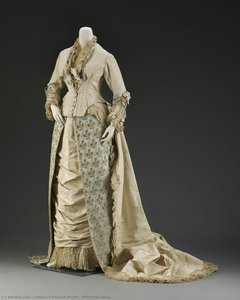
Perhaps Hansal’s most enduring legacy lies in her designs for afternoon dresses. These garments, exemplified by the two-piece example showcased on ArtsDot.com (link: Two-Piece Afternoon Dress, 1902–1903), represent the epitome of her aesthetic. These dresses were characterized by their delicate layering, intricate embroidery, and exquisite detailing – often featuring floral patterns rendered in shimmering silk threads or delicate lace. The use of pastel colors—pale blues, pinks, and greens—created a sense of ethereal beauty, perfectly suited for the leisurely afternoons enjoyed by Viennese society.
The construction itself was a testament to her skill. Each dress involved multiple layers of fabric, carefully draped and shaped to create flattering silhouettes. The sleeves were often voluminous and embellished with ruching or pleating, while the bodices featured intricate corsetry that emphasized the waistline. The meticulous attention to detail—from the hand-stitched embroidery to the precisely placed buttons—demonstrated a dedication to craftsmanship rarely seen in contemporary fashion.
Legacy and Historical Significance
Marie Hansal’s influence extended far beyond her own lifetime. Her designs served as inspiration for subsequent generations of Viennese couturiers, shaping the city's reputation as a center of fashion innovation. Her work is now recognized as a significant example of Art Nouveau in dressmaking and a vital representation of the opulent aesthetic that defined early 20th-century Vienna. Studying her creations offers a unique window into the social customs, artistic trends, and political landscape of the Austro-Hungarian Empire – a testament to the enduring power of fashion to reflect and shape cultural identity.
Today, through platforms like ArtsDot.com, Marie Hansal’s exquisite designs continue to captivate audiences worldwide, offering a glimpse into a bygone era of imperial elegance and unparalleled artistic craftsmanship.
基本情報
- Artistic Movement Or Style: Early 20th century fashion
- Full Name: Marie Hansal
- Nationality: Austrian
- Notable Artworks: ['Two-piece afternoon dress, 1902–1903']
- Place Of Birth: Vienna, Austria