

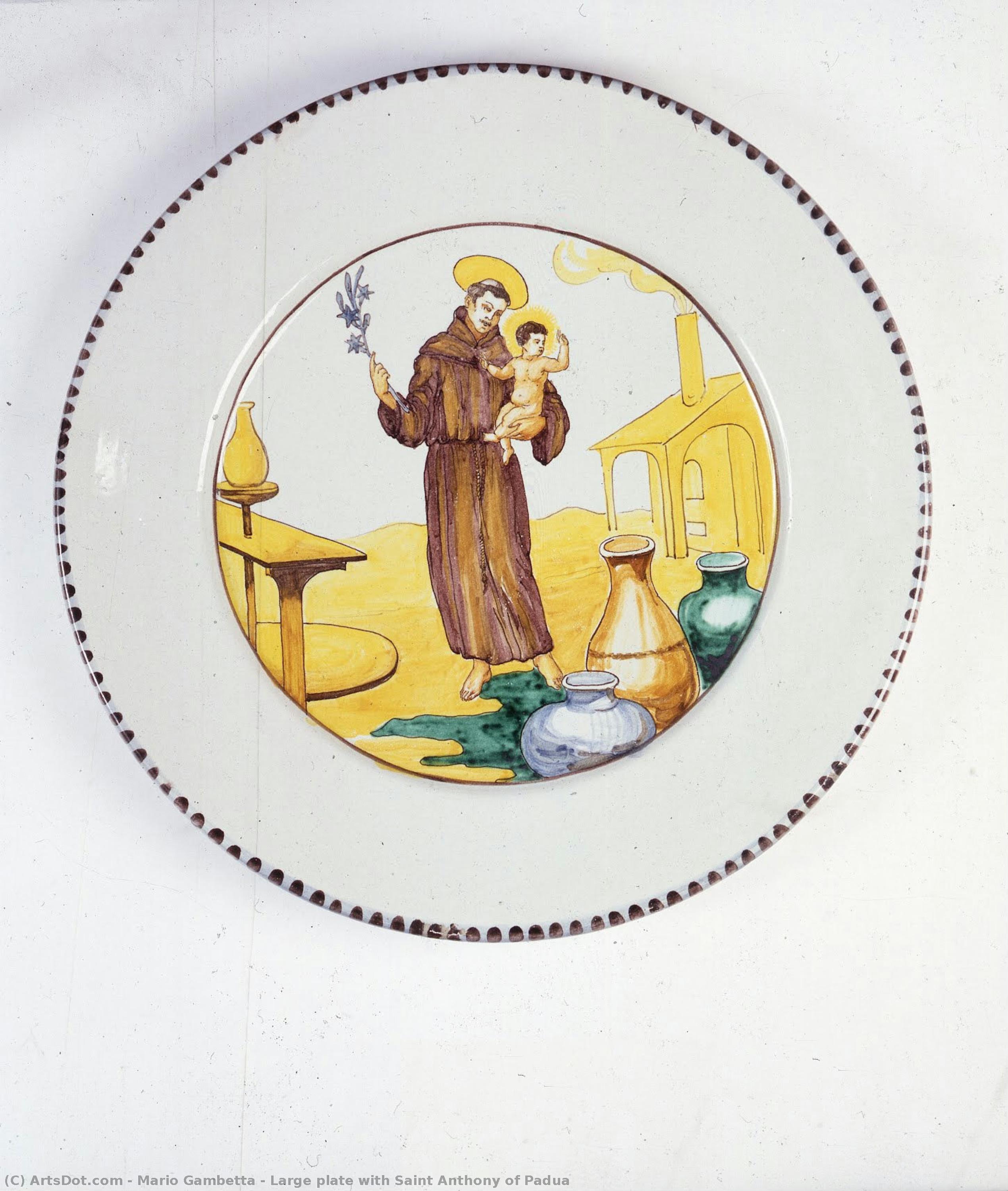
 プレビュー
プレビュー
 シェアする
シェアする シェアする
シェアする
 詳細を見る
詳細を見る

 ダウンロード
 似ている作品
 X線調査
X線調査 スライドショー
 Stats
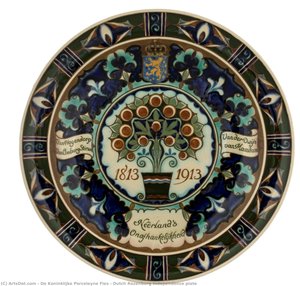
StatsLarge plate with Saint Anthony of Padua


 詳細を見る
詳細を見る
手描き油彩複製画
当社のアーティストが、お客様のご希望のサイズと額縁に合わせて、キャンバスに手描きで制作する油彩画です。 ( Switch to Print Switch to Digital Image)




P118B $10

P118H $10

P118W $10

P438Z $10

P508JH $12

P508YH $12

P805H $10

P805Z $10

P919BZ $10

P919G $10

P919XJ $10

P959ZH $10

P968JZ $12

W106C $8

W218G $10

W218JH $8

W218Y $10

W307PJ $10

W316G $10

W316PJ $8

W316Y $10

W398PJ $8

W4111J $10

W500HY $15

W500JH $15

W692G $12

W849H $8

W940BG $15

W953PJ $8




作品のオリジナル比率に合わせた、当店の規定サイズからお選びください。

特定のフレームやスペースに合わせて、ご希望のサイズをご入力いただけます。選択されたサイズが元の画像の比率と異なる場合、アートワークをトリミングするか、手描きで要素を追加して絵画を拡張いたします。デジタルモックアップ を制作し、制作開始前にご確認(承認)をいただきます。
画面上のプレビューは、実際のトリミングや拡張を正確に反映しているものではありません。最終的な構図は、モックアップによってのみ正確にご確認いただけます。
カスタムサイズもご利用いただけますが、元の比率を維持するためには、あらかじめ用意されたリストからサイズを選択することをお勧めいたします。
ご注文後、ArtsDot.com チームより詳細な指示をお送りするとともに、仕上がりイメージ(モックアップ)をご提供いたします。


 ガラスオプションは、110cm未満のサイズでのみご利用いただけます。

Large plate with Saint Anthony of Padua
複製技法
複製画のサイズ
-


合計金額
$ 263
関連作品


アーティストの略歴
The Wild Heart of the West Coast: Unveiling Gluck’s Vision
Hannah Gluckstein, born in London in 1895, wasn't destined for a conventional life. Raised within a wealthy Jewish family deeply rooted in commerce – her father, Joseph Gluckstein, was a key figure in J. Lyons & Co., the tea empire – she possessed an innate rebelliousness and a yearning for something beyond the rigid confines of Victorian society. This spirit, coupled with a keen eye for observation and a profound connection to the natural world, would ultimately shape her distinctive artistic vision. Early influences included a rigorous education that emphasized drawing and design, but it was the lure of Cornwall, England, and later, British Columbia, Canada, that truly ignited her creative fire. Gluck’s life was marked by unconventional relationships, including a significant partnership with the artist Nesta Obermer, a relationship powerfully expressed in their collaborative self-portrait, *Medallion*, a poignant symbol of artistic solidarity and personal connection. She deliberately eschewed formal titles, adopting the names Peter and Hig, further distancing herself from societal expectations and solidifying her independent identity. Gluck’s journey wasn't one of conventional success; she faced criticism for her subject matter and style, yet her unique perspective and unwavering dedication to capturing the essence of her surroundings cemented her place as a significant figure in early 20th-century art.Early Years and Artistic Formation
Gluck’s childhood was a complex tapestry woven with threads of privilege and constraint. Her father, a man deeply invested in his business empire, instilled in his children a strong sense of independence and a desire for self-determination – qualities that would later inform her artistic choices. Despite the expectations placed upon young women of the era, Gluck’s mother encouraged her artistic pursuits, providing access to art education and fostering a love of beauty. This early exposure laid the foundation for her future career. She began her formal training at the Dame School in Swiss Cottage, followed by St Paul's Girls’ School, institutions that offered a relatively progressive education for girls of her social standing. However, it was her move to Cornwall in 1913, joining the vibrant artists’ colony of Lamorna, that proved transformative. The rugged beauty of the coastline, the wildness of the moorland, and the close-knit community of fellow artists—including Laura Knight and Stanhope Lovell—provided a fertile ground for her artistic development. She immersed herself in plein-air painting, learning to capture the fleeting effects of light and atmosphere with remarkable skill. The influence of local artists like George Trevelyan and William Orpen was also significant, shaping her approach to landscape depiction.A Distinctive Style: Portraits and Floral Studies
Gluck’s artistic style is immediately recognizable for its intimate scale, evocative details, and a palpable sense of immediacy. She primarily focused on two distinct genres: portraits and floral studies. Her portraits are not grand or formal; instead, they capture the quiet dignity and inner lives of her subjects—often friends, family members, and fellow artists. She employed a direct, almost confrontational gaze, inviting viewers into their private worlds. Simultaneously, Gluck’s floral paintings are equally captivating, bursting with vibrant color and an astonishing level of detail. She meticulously rendered individual petals, leaves, and stems, conveying not just the visual beauty but also the tactile qualities of each flower. Her use of loose brushstrokes and a muted palette creates a sense of atmosphere and movement, as if the flowers themselves are breathing. Notably, Gluck’s work often eschewed traditional compositional techniques, favoring instead an intuitive approach that prioritized emotional expression over strict adherence to artistic conventions.The Influence of Place: Cornwall and British Columbia
The landscapes of Cornwall and later, British Columbia, profoundly shaped Gluck's artistic vision. She developed a deep appreciation for the wild beauty of these regions—the dramatic cliffs, the windswept moors, and the ever-changing light. Her paintings are infused with a sense of place, capturing not just the visual appearance but also the spirit and character of each location. In Cornwall, she found inspiration in the rugged coastline and the close-knit community of artists who gathered there. Later, when she moved to British Columbia in 1923, she continued to explore the natural world, documenting the forests, rivers, and mountains of the Pacific Northwest. Her work reflects a growing sense of connection to this new environment, as well as a continuing fascination with the power and beauty of nature. The shift from Cornwall to BC marked a period of significant artistic growth for Gluck, allowing her to develop a uniquely personal style that blended elements of European tradition with the distinct character of the West Coast.Legacy and Recognition
Despite facing challenges in gaining widespread recognition during her lifetime—critics often dismissed her work as “feminine” or overly sentimental—Gluck’s artistic legacy has steadily grown over time. Her intimate portraits, vibrant floral studies, and evocative landscapes are now celebrated for their honesty, emotional depth, and unique perspective. Her work is held in several public collections, including the National Gallery of Canada and the Art Gallery of Ontario, and continues to be exhibited internationally. Gluck’s story—a testament to an independent spirit, a passionate pursuit of artistic expression, and a profound connection to the natural world—serves as an inspiration to artists and art lovers alike. She remains a vital figure in the history of British Columbia art, a pioneering woman who defied convention and created a body of work that is both deeply personal and universally resonant.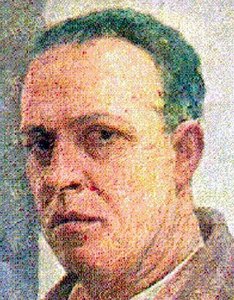
mario gambetta
1895 - 1969 , Italy
基本情報
- Artistic Movement Or Style: Modernism, Portraiture
- Artists Or Movements Influenced By This Artist:
- Lamorna artists' colony
- Musicalist movement
- Artists Who Influenced This Artist:
- Alphonse Mucha
- Paul Gauguin
- Date Of Birth: 13 August 1895
- Date Of Death: 10 January 1978
- Full Name: Hannah Gluckstein”
- Nationality: British
- Notable Artworks:
- Medallion
- A Coign of Vantage
- Place Of Birth: London, England