

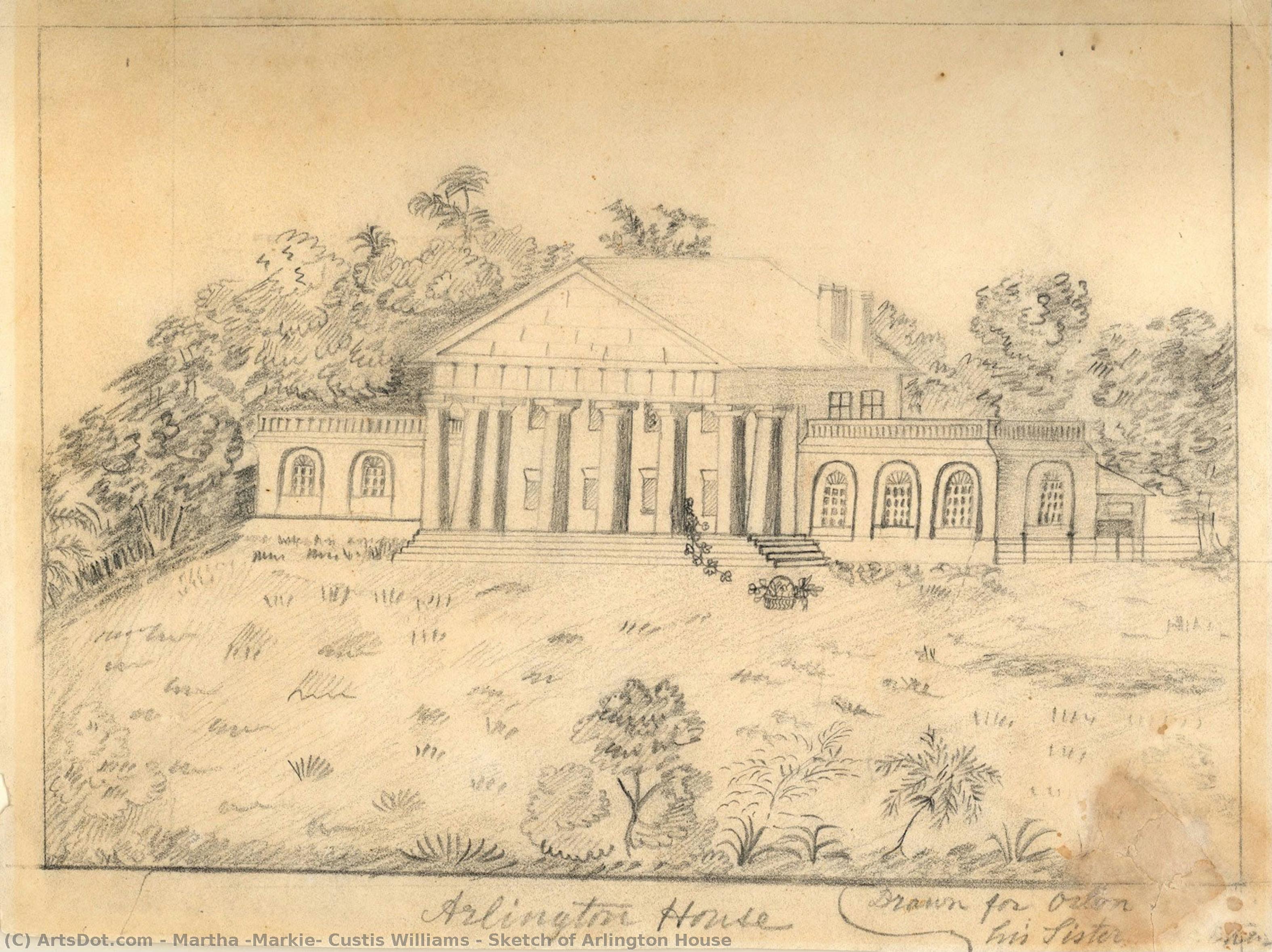
 プレビュー
プレビュー
 シェアする
シェアする シェアする
シェアする
 詳細を見る
詳細を見る

 ダウンロード
 似ている作品
 X線調査
X線調査 スライドショー
Sketch of Arlington House


 詳細を見る
詳細を見る
ジークレー/アートプリント
迅速な制作と多彩な仕上げオプションを備えた、ミュージアムクオリティのジークレーまたはキャンバスプリント。 ( 手描きの絵画を購入 画像を購入)




































作品のオリジナル比率に合わせた、当店の規定サイズからお選びください。

特定のフレームやスペースに合わせて、ご自身でサイズを指定することも可能です。選択されたサイズが元の画像の比率と一致しない場合、作品をトリミングするか、鏡面反射または単色での塗りつぶしによって画像を拡張いたします。制作を開始する前に、ご確認用のデジタルモックアップをお送りいたします。
画面上のプレビューには、実際のトリミングや拡張は反映されませんのでご注意ください。最終的な構図を正確に確認できるのは、モックアップのみとなります。
カスタムサイズも承っておりますが、元の比率を維持するためには、あらかじめ用意されたリストからサイズを選択することをお勧めいたします。


 ガラスオプションは、110cm未満のサイズでのみご利用いただけます。

Sketch of Arlington House
ジークレー/アートプリント
複製画のサイズ
-


合計金額
$ 62
関連作品



アーティストの略歴
Eugène Delacroix: A Revolutionary Soul of Romanticism
Eugène Delacroix, born on April 26, 1798, near Paris in Charenton-Saint-Maurice, was more than just a painter; he was a catalyst for artistic change. His early life, marked by both privilege and profound loss, shaped his passionate spirit and ultimately fueled his revolutionary approach to art. The son of Charles Delacroix, a prominent figure in the French government serving as Minister of Foreign Affairs and later ambassador, and Victoire Delacroix, daughter of renowned cabinetmaker Jean-François Oeben, he was born into a family deeply intertwined with the political and artistic circles of France. However, tragedy struck early when his father died, leaving him and his mother to navigate a precarious existence in Paris. The subsequent loss of his mother in 1814 left a lasting void, contributing to a sense of loneliness and vulnerability that would permeate much of his work. Despite these hardships, Delacroix’s upbringing provided access to cultural enrichment – he attended the Lycée Impérial (now Lycée Louis-le-Grand), where he formed lifelong friendships and developed a keen appreciation for literature and art, particularly inspired by the works of Raphael, Michelangelo, Titian, Rubens, and Poussin at the Louvre. This early exposure laid the foundation for his later artistic explorations.Early Influences and Artistic Training
Delacroix’s formal artistic training began in 1815 under Pierre-Narcisse Guérin, a respected history painter whose studio was one of the largest in Paris. While Guérin recognized Delacroix's potential, he failed to fully appreciate his unique vision. Crucially, Delacroix found inspiration and mentorship in Théodore Géricault, a fellow artist who had already garnered acclaim for his powerful depiction of the *Wreck of the Medusa* at the Salon of 1812 and 1814. Géricault’s willingness to challenge academic conventions and explore themes of human suffering resonated deeply with Delacroix, shaping his own artistic philosophy. He even posed as a model for Géricault's monumental *The Raft of the Medusa*, solidifying their connection and providing him with invaluable insight into the artist’s methods. Beyond Guérin and Géricault, Delacroix immersed himself in the art of the Old Masters at the Louvre, studying the techniques and compositions of Renaissance and Baroque painters – a crucial element in his development as an artist.The Rise of Romanticism and Revolutionary Themes
Delacroix’s debut at the Salon of 1822 with *Dante and Virgil in Hell* marked a pivotal moment, firmly establishing him as a leading figure in the burgeoning Romantic movement. The painting, inspired by Dante's *Inferno*, showcased his dramatic use of color, dynamic composition, and emotional intensity – qualities that immediately captivated critics and audiences alike. He continued to push boundaries with his subsequent works, notably *The Massacre at Scio* (1827), depicting the brutal events of the Greek War of Independence, and *Death of Sardanapalus* (1830-31), a visceral portrayal of an ancient Assyrian king’s demise. These paintings were met with mixed reactions; while some lauded their emotional power and innovative techniques, others condemned them as overly violent and lacking in classical restraint. Delacroix's willingness to confront difficult subjects and challenge established artistic norms solidified his position as a revolutionary artist, rejecting the rigid formality of Neoclassicism in favor of expressive individualism and dramatic storytelling.Liberty Leading the People: An Icon of Revolution
Perhaps Delacroix’s most enduring masterpiece is *Liberty Leading the People* (1830), painted in response to the July Revolution that overthrew King Charles X. This iconic work transcends a simple historical depiction, becoming a powerful symbol of freedom and revolution. The painting captures the fervor and chaos of the uprising, with Liberty – an allegorical figure embodying the spirit of France – leading a diverse group of revolutionaries forward. Delacroix masterfully blended realistic details with symbolic elements, creating a dynamic composition that pulsates with energy and emotion. The work was initially purchased by the government but quickly withdrawn due to its potentially inflammatory nature. Despite this setback, *Liberty Leading the People* became an enduring emblem of French republicanism and continues to inspire generations with its message of hope and resistance.Legacy and Lasting Influence
Eugène Delacroix died on December 10, 1863, in Paris, leaving behind a legacy that profoundly shaped the course of art history. His innovative use of color, dynamic composition, and emotional intensity paved the way for Impressionism and subsequent movements. He demonstrated the power of painting to convey not just visual reality but also complex emotions and ideas. His exploration of contemporary events – particularly *Liberty Leading the People* – established a precedent for artists engaging with social and political issues. Delacroix’s influence extends far beyond his own paintings; he inspired countless artists, writers, and musicians, solidifying his place as one of the most important figures in the Romantic era and a true revolutionary spirit within the world of art. His work remains celebrated today for its raw emotion, dramatic intensity, and enduring relevance.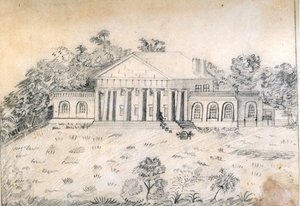
martha 'markie' custis williams
1831 - 1899 , United States of America
基本情報
- Artistic Movement Or Style: Romanticism
- Artists Or Movements Influenced By This Artist:
- Byron
- Hugo
- Artists Who Influenced This Artist:
- David
- Géricault
- Date Of Birth: April 26, 1798
- Date Of Death: July 13, 1863
- Full Name: Eugène Delacroix
- Nationality: French
- Notable Artworks:
- Dante and Virgil in Hell
- Massacre at Scio
- Death of Sardanapalus
- Liberty Leading the People
- Place Of Birth: Charenton-Saint-Maurice, France

