 プレビュー
プレビュー
 シェアする
シェアする シェアする
シェアする
 詳細を見る
詳細を見る

 ダウンロード
 似ている作品
 X線調査
X線調査 スライドショー
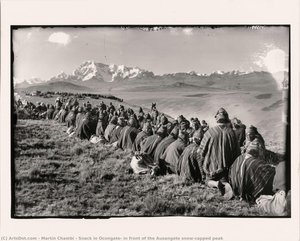
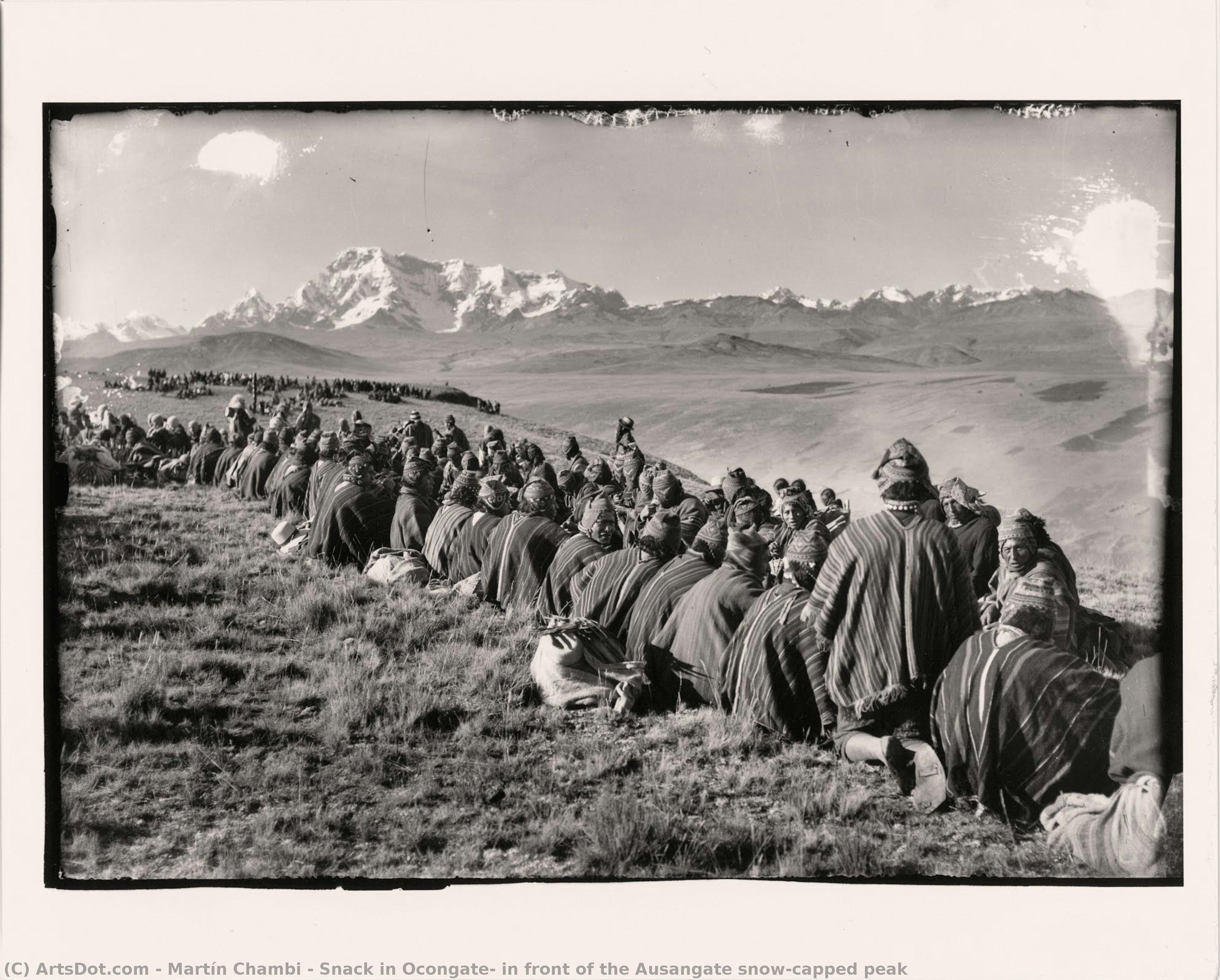
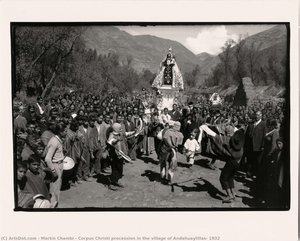
オコンガテでの軽食、ウサンガイの雪山の頂上を見つめる人々
 キャンバスにアクリル絵具
- ウォールアート
- Documentary Photography
 1931
1931 20.0 x 25.0 cm
 Mudec - ミュゼ・デ・クルトゥール
 詳細を見る
詳細を見る
ジークレー/アートプリント
迅速な制作と多彩な仕上げオプションを備えた、ミュージアムクオリティのジークレーまたはキャンバスプリント。 ( 手描きの絵画を購入 画像を購入)




P118B $10

P118H $10

P118W $10

P438Z $10

P508JH $12

P508YH $12

P805H $10

P805Z $10

P919BZ $10

P919G $10

P919XJ $10

P959ZH $10

P968JZ $12

W106C $8

W218G $10

W218JH $8

W218Y $10

W307PJ $10

W316G $10

W316PJ $8

W316Y $10

W398PJ $8

W4111J $10

W500HY $15

W500JH $15

W692G $12

W849H $8

W940BG $15

W953PJ $8




作品のオリジナル比率に合わせた、当店の規定サイズからお選びください。

特定のフレームやスペースに合わせて、ご自身でサイズを指定することも可能です。選択されたサイズが元の画像の比率と一致しない場合、作品をトリミングするか、鏡面反射または単色での塗りつぶしによって画像を拡張いたします。制作を開始する前に、ご確認用のデジタルモックアップをお送りいたします。
画面上のプレビューには、実際のトリミングや拡張は反映されませんのでご注意ください。最終的な構図を正確に確認できるのは、モックアップのみとなります。
カスタムサイズも承っておりますが、元の比率を維持するためには、あらかじめ用意されたリストからサイズを選択することをお勧めいたします。


 ガラスオプションは、110cm未満のサイズでのみご利用いただけます。

オコンガテでの軽食、ウサンガイの雪山の頂上を見つめる人々
ジークレー/アートプリント
複製画のサイズ
-


合計金額
$ 62
Martín Chambiと「オコンガテでの軽食、アウサンゲの雪を抱く山の景色」:ペルーにおける民族写真の先駆者
Martín Chambiは、ペルーにおける民族写真のパイオニアとして、その芸術的な遺産は今なお多くの人々を魅了しています。彼はコアザで生まれ、幼少期から写真への情熱を持ちました。この情熱は彼の父親が鉱山労働者の仕事に携わったことから育まれ、アレキパカでのマックス・テオドロ・バルガス氏のスタジオでの研修経験を通じて確かな技術を習得しました。バルガス氏は彼の芸術的な視点を養い、ペルーにおける民族写真の新たな道を切り開くための基礎を築きました。- 作品の詳細:「オコンガテでの軽食、アウサンゲの雪を抱く山の景色」は、1931年に撮影されたバルガス氏の傑作です。この作品は、ペルー南部の雄大なアウサンゲ山頂を見渡すオコンガテにおける農民たちの休憩風景を捉えたもので、その圧倒的なスケールと美しい色彩が特徴です。
- スタイルと技法 Chambiの写真はドキュメンタリー写真の一種であり、バルガス氏は伝統的な撮影技術を用いてこの作品を実現しました。彼は特に銀塩プリントを使用し、繊細な光と影を表現することで、風景の質感と奥行きを効果的に伝えました。
- 歴史的背景 この作品は、当時のペルー社会における民族文化の記録として重要な役割を果たしています。バルガス氏は国際的な美術展で高く評価され、彼の作品は後の芸術家たちに大きな影響を与えました。特に彼はコウスクと周辺地域の風景を撮影し、その美しい絵画のような表現は多くの人々を感動させました。
- 象徴性と感情 アウサンゲ山の壮大な景色は、力強さと永続性を象徴しています。バルガス氏の写真は単なる風景写真ではなく、ペルーの人々の生活と精神に息吹を与える作品です。この作品は見る人に自然への畏敬の念とコミュニティの絆を呼び起こします。
バルガス氏のスタジオ:芸術的な育成と技術的な指導
バルガス氏はアレキパカで彼のスタジオを開設し、Chambiに貴重な研修経験を提供しました。彼は写真技術だけでなく、芸術的な視点も養い、Chambiがペルーにおける民族写真の新たな道を切り開くための基礎を築きました。バルガス氏は国際的な美術展で高く評価され、彼の作品は後の芸術家たちに大きな影響を与えました。特に彼はコウスクと周辺地域の風景を撮影し、その美しい絵画のような表現は多くの人々を感動させました。ペルーにおける民族写真の新たな潮流:バルガス氏の影響
バルガス氏は国際的な美術展で高く評価され、彼の作品は後の芸術家たちに大きな影響を与えました。特に彼はコウスクと周辺地域の風景を撮影し、その美しい絵画のような表現は多くの人々を感動させました。彼は伝統的な撮影技術を用いてこの作品を実現しました。彼は特に銀塩プリントを使用し、繊細な光と影を表現することで、風景の質感と奥行きを効果的に伝えました。バルガス氏のスタジオでの経験は、Chambiがペルーにおける民族写真の新たな道を切り開くための基礎を築きました。結論:芸術的な遺産とペルー文化への貢献
Martín Chambiはペルーにおける民族写真のパイオニアとして、その芸術的な遺産は今なお多くの人々を魅了しています。彼はコアザで生まれ、幼少期から写真への情熱を持ちました。この情熱は彼の父親が鉱山労働者の仕事に携わったことから育まれ、アレキパカでのマックス・テオドロ・バルガス氏のスタジオでの研修経験を通じて確かな技術を習得しました。バルガス氏は彼の芸術的な視点を養い、ペルーにおける民族写真の新たな道を切り開くための基礎を築きました。彼は伝統的な撮影技術を用いてこの作品を実現しました。彼は特に銀塩プリントを使用し、繊細な光と影を表現することで、風景の質感と奥行きを効果的に伝えました。バルガス氏のスタジオでの経験は、Chambiがペルーにおける民族写真の新たな道を切り開くための基礎を築きました。関連作品
![[a Tunnel On The Canadian Pacific Railway, Kicking Horse River, Bc] — Edward Roper Curzon Clarkson, Topographical Art](/media/artworks/images-thumb/eb/2c/eb2c759bf7674e763d2e9d1ef0f74a9c.jpg)
アーティストの略歴
The Lens of the Andes: The Life and Legacy of Martín Chambi
In the high, thin air of the Peruvian Andes, where the shadows of the Cordillera Blanca stretch across ancient landscapes, the work of Martín Chambi remains a profound testament to the dignity of a people. Born in 1891 near the shores of Lake Titicaca, Chambi’s journey from the humble Coaza district to becoming a global icon of documentary photography is a narrative of vision and resilience. His early life was shaped by the rugged realities of the Southern Andes—a region marked by both colonial echoes and the vibrant, enduring pulse of Quechua traditions. It was not in a formal academy that his eye was trained, but through a serendipitous encounter with the mechanics of light and shadow during his youth near a British mining company, where he first witnessed the transformative power of the camera.
Chambi’s artistic evolution was deeply rooted in mentorship and technical mastery. Moving to Arequipa, he sought out the renowned photographer Max T. Vargas, whose studio served as a crucible for Chambi’s developing skills. Under Vargas’s guidance, he mastered the intricate nuances of albumen printing and the demanding processes of early twentieth-century photography. This period of apprenticeship provided him with more than just technical proficiency; it instilled in him an aesthetic foundation that allowed him to navigate both the formal requirements of studio portraiture and the spontaneous demands of outdoor landscape photography. By 1917, Chambi had established his own presence in Sicuani and later Cusco, transforming his studio into a vital hub for capturing the multifaceted identity of Peru.
A Vision of Dignity and Resistance
What distinguishes Chambi’s oeuvre from the mere ethnographic documentation of his era is his profound empathy and his refusal to view his subjects through a lens of "otherness." While many contemporary photographers approached indigenous populations as curiosities, Chambi photographed them as representatives of a living, breathing culture. His portraits are characterized by a striking psychological depth; whether capturing a Varayoc (an indigenous authority) or a simple peasant from Calca, he imbued his subjects with an unmistakable sense of pride and agency. He famously declared that he felt himself to be a representative of his race, stating that his people spoke through his photographs. This mission was a quiet but powerful act of resistance against the prevailing colonial narratives that sought to diminish Andean culture as primitive or stagnant.
His technical brilliance allowed him to weave together the monumental and the intimate. In his landscapes, such as the breathtaking views of the Ausangate peak, he utilized light to emphasize the spiritual grandeur of the mountains. Conversely, in his studio work, he employed dramatic lighting to highlight the intricate textures of traditional textiles and the weathered features of his subjects. His ability to utilize the emerging medium of postcards also allowed him to disseminate images of Cusco and its surrounding environs to a wider world, effectively pioneering a new way for Peru to see itself and for the international community to witness the majesty of the Andes.
Historical Significance and Eternal Resonance
The historical weight of Chambi’s work cannot be overstated. He captured a pivotal moment in Peruvian history, documenting the transition of Andean society during the early twentieth century. His archives provide an invaluable visual record of landscapes, architectural wonders like Machu Picchu—which was still relatively unknown to much of the world during his most active years—and the social structures of the time. Through his lens, we see the intersection of tradition and modernity, from the ritualistic beauty of the Qoyllurit pilgrimage to the industrial presence of mining operations.
Today, Martín Chambi is celebrated not merely as a photographer, but as a visual historian who reclaimed the narrative of the Andes. His legacy lives on in the way we perceive the intersection of identity and art. The enduring power of his black-and-white compositions lies in their ability to transcend time, offering a window into a world where every shadow tells a story of survival, and every portrait serves as an eternal monument to the human spirit.
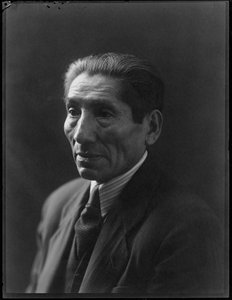
martín chambi
1891 - 1973
基本情報
- Artistic Movement Or Style: Documentary photography
- Artists Or Movements Influenced By This Artist: ['International expositions']
- Artists Who Influenced This Artist: ['Max T. Vargas']
- Date Of Birth: November 5, 1891
- Date Of Death: September 13, 1973
- Full Name: Martín Chambi Jiménez
- Nationality: Peruvian
- Notable Artworks:
- Indian Varayoc and Family
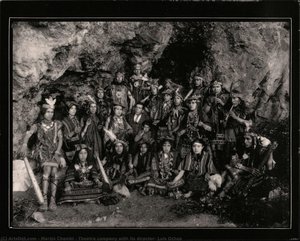
- Theatre company with its director, Luis Ochoa
- Pilgrims at Qoyllurit
- Place Of Birth: Coaza, Peru
関連記事
Witnessing History Through Lens & Light: Documentary Photography's Enduring Legacy
Explore the powerful history of documentary photography – from its origins to contemporary masters like Gordon Parks & W. Eugene Smith. Discover how this art form shapes our understanding of society and witness pivotal moments in time.
Documentary Photography's Defining Moments: 10 Masterpieces for Your Home |
Explore 10 defining documentary photography masterpieces – from Dorothea Lange to Robert Capa. Discover powerful stories, iconic images & timeless art for your home. Museum-quality prints at .
Witnessing History: Documentary Photography as an Art Movement
Explore the powerful history of documentary photography – from its origins to contemporary masters like Gordon Parks. Discover how this art form shapes our understanding of society and witness pivotal moments in time.

Monochrome Visions: Exploring the Aesthetic & Historical Significance of Black & White Photography
Explore the rich history & artistic power of black and white photography. From early techniques to iconic masters like Ansel Adams, discover why monochrome continues to captivate art lovers today. Expert insights for collectors.

ロマン派ランドスケープ:時代を彩る巨匠の10選|アートとインテリアの世界
ロマン派絵画の時代を彩る10選。巨匠たちの風景が織りなす感動の世界へ。ターナー、ルーベンスなど、名作の裏話と高精細複製でアートをお部屋に。ArtsDot.comで至福のアート体験を。