

 プレビュー
プレビュー
 シェアする
シェアする シェアする
シェアする
 詳細を見る
詳細を見る

 ダウンロード
 似ている作品
 X線調査
X線調査 スライドショー
 統計情報
統計情報Hanging Scroll (pair of pheasants)


 詳細を見る
詳細を見る
手描き油彩複製画
当社のアーティストが、お客様のご希望のサイズと額縁に合わせて、キャンバスに手描きで制作する油彩画です。 ( プリント版に切り替え デジタル画像販売へ切り替え)




P118B $10

P118H $10

P118W $10

P438Z $10

P508JH $12

P508YH $12

P805H $10

P805Z $10

P919BZ $10

P919G $10

P919XJ $10

P959ZH $10

P968JZ $12

W106C $8

W218G $10

W218JH $8

W218Y $10

W307PJ $10

W316G $10

W316PJ $8

W316Y $10

W398PJ $8

W4111J $10

W500HY $15

W500JH $15

W692G $12

W849H $8

W940BG $15

W953PJ $8




作品のオリジナル比率に合わせた、当店の規定サイズからお選びください。

特定のフレームやスペースに合わせて、ご希望のサイズをご入力いただけます。選択されたサイズが元の画像の比率と異なる場合、アートワークをトリミングするか、手描きで要素を追加して絵画を拡張いたします。デジタルモックアップ を制作し、制作開始前にご確認(承認)をいただきます。
画面上のプレビューは、実際のトリミングや拡張を正確に反映しているものではありません。最終的な構図は、モックアップによってのみ正確にご確認いただけます。
カスタムサイズもご利用いただけますが、元の比率を維持するためには、あらかじめ用意されたリストからサイズを選択することをお勧めいたします。
ご注文後、ArtsDot.com チームより詳細な指示をお送りするとともに、仕上がりイメージ(モックアップ)をご提供いたします。


 ガラスオプションは、110cm未満のサイズでのみご利用いただけます。

Hanging Scroll (pair of pheasants)
複製技法
複製画のサイズ
-


合計金額
$ 263
A Symphony of Plumage and Grace
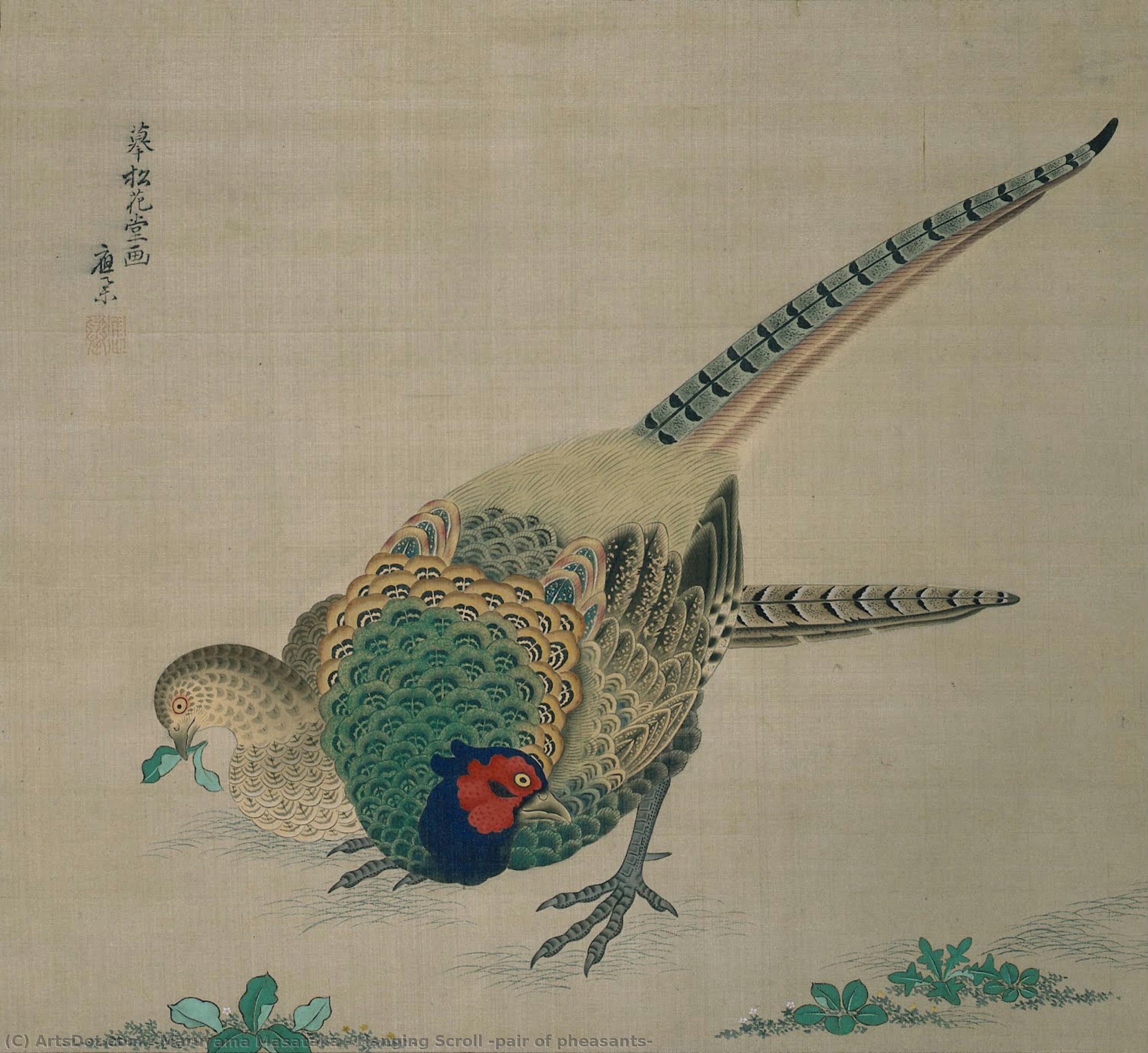
In the quiet stillness of the Edo period, a moment of natural splendor was captured forever through the brush of Maruyama Masataka. His masterpiece, Hanging Scroll (pair of pheasants), dated 1795, invites the viewer into a serene sanctuary where the boundaries between the wild and the refined dissolve. The painting presents two magnificent birds, likely pheasants or peacocks, positioned with an exquisite sense of balance across the frame. Their long, elegant necks and cascading tails create a rhythmic flow that guides the eye through a landscape of soft textures and delicate colors. This is not merely a depiction of fauna; it is a poetic meditation on the elegance inherent in the natural world, designed to bring a sense of tranquil majesty to any sophisticated interior.
The technique employed by Masataka represents a revolutionary moment in Japanese art history. As the founder of the Maruyama school, he achieved a breathtaking synthesis of traditional Chinese ink wash methods and a burgeoning interest in Western realism. Through meticulous observation, he applied watercolor and ink with such precision that one can almost feel the weight of the feathers and the softness of the birds' plumage. This approach—often referred to as shasei or "sketching from nature"—moved away from the purely stylized forms of previous eras toward a more lifelike, tactile reality. For the collector or interior designer, this mastery of light and texture offers a profound depth that breathes life into a room, providing a focal point that is both intellectually stimulating and visually soothing.
Historical Resonance and Timeless Elegance
To possess or display a reproduction of this hanging scroll is to connect with the golden age of Kyoto’s artistic evolution. During the late 18th century, Masataka was transforming the Japanese aesthetic by integrating the anatomical accuracy inspired by European naturalists with the spiritual depth of Eastern ink painting. The pair of pheasants serves as a powerful symbol of beauty, prosperity, and harmony. In many East Asian traditions, such birds are seen as emblems of grace and auspicious beginnings, making this piece an ideal selection for spaces intended to inspire peace and well-being.
For those seeking to curate a space with historical weight and artistic integrity, this work offers unparalleled versatility. Whether placed in a minimalist modern gallery or a richly textured classical study, the Hanging Scroll (pair of pheasants) commands attention through its subtle sophistication rather than through loud or jarring colors. It is an investment in atmosphere—a way to introduce the quiet, enduring spirit of the Edo period into the contemporary home. The delicate interplay of the birds' silhouettes against the soft background creates a sense of infinite space, allowing the viewer to escape the chaos of modern life and find solace in the timeless beauty of nature’s most graceful inhabitants.
関連作品
アーティストの略歴
Maruyama Masataka: A Master of Nature’s Grace
Maruyama Masataka (1733-1795) stands as a pivotal figure in the history of Japanese ink painting, particularly renowned for his breathtaking depictions of birds and animals. Born in Anoin, Japan, during a period of significant artistic evolution, Masataka’s work embodies a delicate balance between meticulous observation, profound understanding of nature, and a subtle infusion of Western aesthetic principles. His legacy rests not just on the beauty of his individual paintings but also on his role as a founder of the Maruyama school, profoundly influencing generations of Japanese artists. Initially trained in the traditional techniques of Chinese landscape painting, Masataka’s artistic journey took an unexpected turn when he moved to Kyoto and encountered the works of European naturalists like Jan van Hoorn. This exposure sparked a fascination with Western realism, which he skillfully integrated into his own distinctive style—a harmonious blend of Eastern sensibility and Western precision.Early Life and Artistic Training
Masataka’s early life remains somewhat shrouded in mystery, though it is known that he received his initial artistic training in the classical Chinese tradition. The specifics of this formative period are not fully documented, but it's believed he studied under a master who emphasized meticulous brushwork and the representation of mountainous landscapes. However, around 1760, Masataka’s life took an important turn when he traveled to Osaka and encountered the works of Jan van Hoorn, a Dutch painter specializing in animal studies. Van Hoorn’s detailed renderings of birds and animals captivated Masataka, prompting him to shift his focus towards capturing the essence of these creatures with unparalleled accuracy and sensitivity. This pivotal encounter marked a decisive break from purely landscape-oriented painting and laid the foundation for his future mastery of animal art.The Maruyama School: A Synthesis of Styles
Masataka’s influence extended far beyond his individual creations; he established the Maruyama school, a movement characterized by its refined naturalism and subtle Western influences. Unlike earlier schools that prioritized stylized representations or idealized forms, Masataka sought to depict animals as they truly appeared—with their unique markings, textures, and behaviors. His paintings are distinguished by their remarkable attention to detail, achieved through painstaking observation and an intuitive understanding of anatomy. The school’s aesthetic was further refined by his students, most notably Maruyama Ōkyo, who continued to develop and propagate the school's distinctive style. This synthesis of Eastern and Western artistic approaches created a uniquely Japanese visual language that resonated deeply with audiences during the Edo period.Key Works and Artistic Techniques
Masataka’s oeuvre is characterized by a remarkable range of subjects, primarily focusing on birds—pheasants, crows, magpies, and ducks—along with other animals such as hares and monkeys. His paintings are renowned for their serene atmosphere, achieved through the skillful use of ink wash techniques (sumi-e). He masterfully employed varying brushstrokes to convey texture, movement, and mood. The delicate gradations of tone, created by layering thin washes of ink, lend a remarkable sense of depth and luminosity to his works. Consider, for example, his “Hanging Scroll (pair of pheasants),” where the iridescent plumage of the birds is rendered with breathtaking realism, while the surrounding foliage is depicted with understated elegance. Similarly, "Hare’s with Scouring Rushes" showcases his ability to capture the subtle details of animal behavior and habitat. His compositions often feature animals in natural settings—amongst branches, rocks, or reeds—creating a harmonious dialogue between the subject and its environment.Legacy and Historical Significance
Maruyama Masataka’s contribution to Japanese art is profound and enduring. He not only elevated the status of animal painting but also demonstrated the potential for integrating Western artistic principles into a distinctly Japanese aesthetic. His work profoundly influenced subsequent generations of artists, shaping the development of Ukiyo-e (woodblock prints) and other forms of Japanese art. His emphasis on naturalism and his innovative use of ink wash techniques continue to inspire artists today. Furthermore, Masataka’s legacy extends beyond the realm of painting; he represents a bridge between cultures—a testament to the power of artistic exchange and mutual influence. His paintings are now treasured for their beauty, technical mastery, and profound connection to the natural world, solidifying his place as one of Japan's most celebrated artists.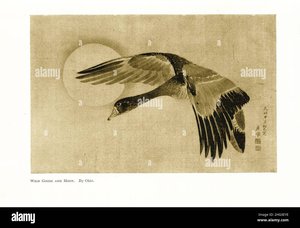
maruyama masataka
1733 - 1795 , Japan
基本情報
- Artistic Movement Or Style: Ink wash painting
- Artists Who Influenced This Artist: ['None],\n "Artists or movements influenced by this artist": ["Maruyama Ōkyo"]\n}']
- Date Of Birth: Anoin, Japan 1733
- Date Of Death: 1795
- Full Name: Maruyama Masataka
- Nationality: Japanese
- Notable Artworks:
- Crows
- Pheasants
- Hare scours
- Place Of Birth: Anoin, Japan
関連記事

葛飾北斎:25の傑作が語る浮世絵の世界 - ArtsDot
葛飾北斎の25選:『神奈川沖浪裏』や『富嶽三十六景』など、浮世絵の世界を深く探求。木版画の技法と日本美術の美をArtsDotで。高品質なアートプリントで空間に感動を。コレクションはこちら。
Ephemeral Lines: Exploring Emotional Resonance in Ink Sketching Traditions
Explore the profound art of ink sketching! Discover techniques to express emotion, master line work, and cultivate artistic sensitivity. Learn from historical masters & unlock your creative potential.
Ephemeral Expressions: Exploring the Nuances of Ink on Paper Through History & Contemporary Art
Explore the captivating world of ink wash painting – from its ancient origins to contemporary masters. Discover techniques, symbolism & conservation insights with ArtsDot.com.
ハドソン・リバー派を彩る至宝:10選が示すアメリカ絵画の黄金時代
ハドソン・リバー派の至宝10選を紐解き、アメリカ絵画の黄金時代へ。壮大な自然描写と巨匠たちの技が織りなす感動の世界を体験してください。トーマス・コールからチャーチまで、ArtsDot.comで高品質なアートプリントとインテリアアイデアを見つけましょう。
The Hague School: Realism, Atmosphere & the Dawn of Dutch Impressionism
Explore the Hague School's pivotal role in Dutch art history. Discover realism, atmospheric landscapes & its influence on Impressionism. Learn about key artists like Mauve & Maris with ArtsDot.