

 プレビュー
プレビュー
 シェアする
シェアする シェアする
シェアする
 詳細を見る
詳細を見る

 ダウンロード
 似ている作品
 X線調査
X線調査 スライドショー
 統計情報
統計情報Hanging Scroll (pair of pheasants)


 詳細を見る
詳細を見る
オンラインプレビューをはるかに凌ぐ、高解像度で鮮明なデジタル画像をご購入いただけます。
各ファイルは、社内の専門家が高度なツールと熟練した手作業によるレタッチを用いて、細心の注意を払って準備されています。すべての画像において、卓越した鮮明度、正確な色彩再現性、そして繊細なディテールを保証いたします。
最終ファイルは、プロフェッショナルな編集・印刷環境ですぐにご利用いただけるよう最適化された状態で、72時間以内にメールにてお届けいたします。これは、一流のデザインスタジオ、出版社、ギャラリーから信頼されているものと同等の品質です。
デジタルアート
個人での鑑賞、印刷、クリエイティブなプロジェクト用に、高解像度ファイルをダウンロードできます。 ( プリント版に切り替え 手描きの絵画を購入)
デジタル画像のご注文に付随する特典
高品質なデジタル画像配信を、確かな品質で。
ArtsDot.com を選ぶことは、単に画像を手に入れることではありません。それは、プロの手によって精密に仕上げられ、満足保証が付いた高品質なデジタルアートワークを受け取ることを意味します。ご注文いただいた際に自動的に付随する内容は、以下の通りです:

メールですぐにお届け
ご注文から72時間以内に、高解像度のデジタル画像ファイルがメールでお手元に届きます。すぐにそのままご利用いただけます。

AI技術で最適化されたデジタルファイル
お客様の作品は、高度なAIツールと専門家による手作業の編集を組み合わせてプロフェッショナルに最適化されており、細部のディテール、鮮明さ、そして正確な色再現性を最大限に引き出しています。

一生涯無料の再送サービス
ファイルを誤って削除したり、紛失してしまったりしましたか?ご安心ください。いつでも無料で再送いたします。

輸入手数料は一切かかりません
関税や手数料、配送料を気にすることなく、お気に入りのアートワークをすぐにお楽しみいただけます。デジタルダウンロードは常に免税です。

色彩再現の保証
プロ仕様のツールとカラーマネジメント技術を用いることで、デジタル画像が元の色を最大限に忠実に再現することを保証いたします。

100日間満足保証
ご購入いただいたデジタル画像にご満足いただけない場合は、100日以内であれば、理由を問わず修正または100%の返金対応をさせていただきます。

100% 返金保証
ご満足いただけない場合は、デジタルファイルを受け取ってから100日以内であれば、理由を問わず全額返金いたします。

まとめ買い割引
3枚購入で10%OFF - 5枚購入で15%OFF - 10枚以上購入で20%OFF。クリエイティブなプロジェクト、ギャラリー、エージェンシーに最適です。
A Symphony of Plumage and Grace
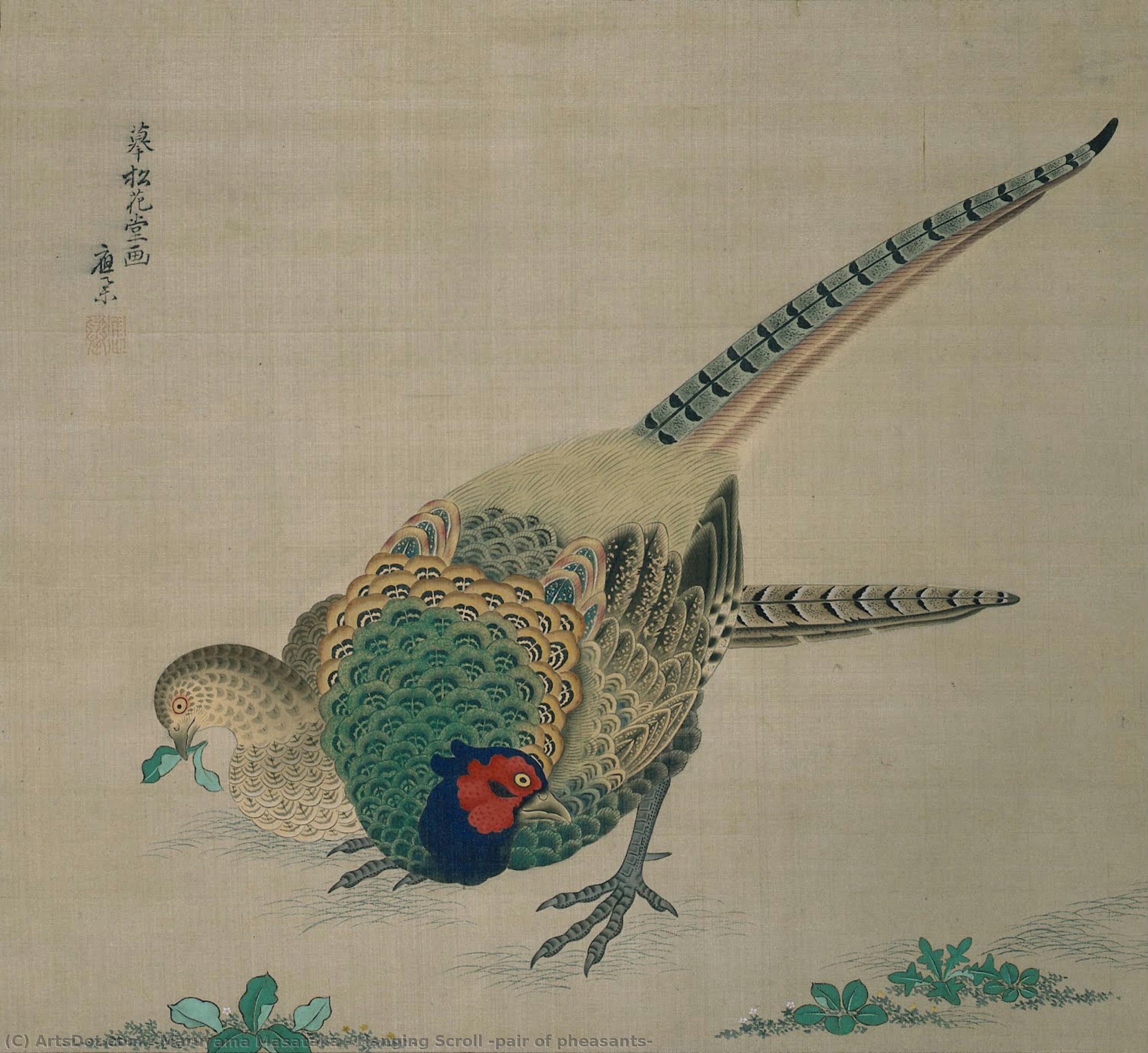
In the quiet stillness of the Edo period, a moment of natural splendor was captured forever through the brush of Maruyama Masataka. His masterpiece, Hanging Scroll (pair of pheasants), dated 1795, invites the viewer into a serene sanctuary where the boundaries between the wild and the refined dissolve. The painting presents two magnificent birds, likely pheasants or peacocks, positioned with an exquisite sense of balance across the frame. Their long, elegant necks and cascading tails create a rhythmic flow that guides the eye through a landscape of soft textures and delicate colors. This is not merely a depiction of fauna; it is a poetic meditation on the elegance inherent in the natural world, designed to bring a sense of tranquil majesty to any sophisticated interior.
The technique employed by Masataka represents a revolutionary moment in Japanese art history. As the founder of the Maruyama school, he achieved a breathtaking synthesis of traditional Chinese ink wash methods and a burgeoning interest in Western realism. Through meticulous observation, he applied watercolor and ink with such precision that one can almost feel the weight of the feathers and the softness of the birds' plumage. This approach—often referred to as shasei or "sketching from nature"—moved away from the purely stylized forms of previous eras toward a more lifelike, tactile reality. For the collector or interior designer, this mastery of light and texture offers a profound depth that breathes life into a room, providing a focal point that is both intellectually stimulating and visually soothing.
Historical Resonance and Timeless Elegance
To possess or display a reproduction of this hanging scroll is to connect with the golden age of Kyoto’s artistic evolution. During the late 18th century, Masataka was transforming the Japanese aesthetic by integrating the anatomical accuracy inspired by European naturalists with the spiritual depth of Eastern ink painting. The pair of pheasants serves as a powerful symbol of beauty, prosperity, and harmony. In many East Asian traditions, such birds are seen as emblems of grace and auspicious beginnings, making this piece an ideal selection for spaces intended to inspire peace and well-being.
For those seeking to curate a space with historical weight and artistic integrity, this work offers unparalleled versatility. Whether placed in a minimalist modern gallery or a richly textured classical study, the Hanging Scroll (pair of pheasants) commands attention through its subtle sophistication rather than through loud or jarring colors. It is an investment in atmosphere—a way to introduce the quiet, enduring spirit of the Edo period into the contemporary home. The delicate interplay of the birds' silhouettes against the soft background creates a sense of infinite space, allowing the viewer to escape the chaos of modern life and find solace in the timeless beauty of nature’s most graceful inhabitants.
関連作品
作家の略歴
Maruyama Masataka: A Master of Nature’s Grace
Maruyama Masataka (1733-1795) stands as a pivotal figure in the history of Japanese ink painting, particularly renowned for his breathtaking depictions of birds and animals. Born in Anoin, Japan, during a period of significant artistic evolution, Masataka’s work embodies a delicate balance between meticulous observation, profound understanding of nature, and a subtle infusion of Western aesthetic principles. His legacy rests not just on the beauty of his individual paintings but also on his role as a founder of the Maruyama school, profoundly influencing generations of Japanese artists. Initially trained in the traditional techniques of Chinese landscape painting, Masataka’s artistic journey took an unexpected turn when he moved to Kyoto and encountered the works of European naturalists like Jan van Hoorn. This exposure sparked a fascination with Western realism, which he skillfully integrated into his own distinctive style—a harmonious blend of Eastern sensibility and Western precision.Early Life and Artistic Training
Masataka’s early life remains somewhat shrouded in mystery, though it is known that he received his initial artistic training in the classical Chinese tradition. The specifics of this formative period are not fully documented, but it's believed he studied under a master who emphasized meticulous brushwork and the representation of mountainous landscapes. However, around 1760, Masataka’s life took an important turn when he traveled to Osaka and encountered the works of Jan van Hoorn, a Dutch painter specializing in animal studies. Van Hoorn’s detailed renderings of birds and animals captivated Masataka, prompting him to shift his focus towards capturing the essence of these creatures with unparalleled accuracy and sensitivity. This pivotal encounter marked a decisive break from purely landscape-oriented painting and laid the foundation for his future mastery of animal art.The Maruyama School: A Synthesis of Styles
Masataka’s influence extended far beyond his individual creations; he established the Maruyama school, a movement characterized by its refined naturalism and subtle Western influences. Unlike earlier schools that prioritized stylized representations or idealized forms, Masataka sought to depict animals as they truly appeared—with their unique markings, textures, and behaviors. His paintings are distinguished by their remarkable attention to detail, achieved through painstaking observation and an intuitive understanding of anatomy. The school’s aesthetic was further refined by his students, most notably Maruyama Ōkyo, who continued to develop and propagate the school's distinctive style. This synthesis of Eastern and Western artistic approaches created a uniquely Japanese visual language that resonated deeply with audiences during the Edo period.Key Works and Artistic Techniques
Masataka’s oeuvre is characterized by a remarkable range of subjects, primarily focusing on birds—pheasants, crows, magpies, and ducks—along with other animals such as hares and monkeys. His paintings are renowned for their serene atmosphere, achieved through the skillful use of ink wash techniques (sumi-e). He masterfully employed varying brushstrokes to convey texture, movement, and mood. The delicate gradations of tone, created by layering thin washes of ink, lend a remarkable sense of depth and luminosity to his works. Consider, for example, his “Hanging Scroll (pair of pheasants),” where the iridescent plumage of the birds is rendered with breathtaking realism, while the surrounding foliage is depicted with understated elegance. Similarly, "Hare’s with Scouring Rushes" showcases his ability to capture the subtle details of animal behavior and habitat. His compositions often feature animals in natural settings—amongst branches, rocks, or reeds—creating a harmonious dialogue between the subject and its environment.Legacy and Historical Significance
Maruyama Masataka’s contribution to Japanese art is profound and enduring. He not only elevated the status of animal painting but also demonstrated the potential for integrating Western artistic principles into a distinctly Japanese aesthetic. His work profoundly influenced subsequent generations of artists, shaping the development of Ukiyo-e (woodblock prints) and other forms of Japanese art. His emphasis on naturalism and his innovative use of ink wash techniques continue to inspire artists today. Furthermore, Masataka’s legacy extends beyond the realm of painting; he represents a bridge between cultures—a testament to the power of artistic exchange and mutual influence. His paintings are now treasured for their beauty, technical mastery, and profound connection to the natural world, solidifying his place as one of Japan's most celebrated artists.
maruyama masataka
1733 - 1795 , Japan
プロフィール概要
- Artistic Movement Or Style: Ink wash painting
- Artists Who Influenced This Artist: ['None],\n "Artists or movements influenced by this artist": ["Maruyama Ōkyo"]\n}']
- Date Of Birth: Anoin, Japan 1733
- Date Of Death: 1795
- Full Name: Maruyama Masataka
- Nationality: Japanese
- Notable Artworks:
- Crows
- Pheasants
- Hare scours
- Place Of Birth: Anoin, Japan