

 プレビュー
プレビュー
 シェアする
シェアする シェアする
シェアする
 詳細を見る
詳細を見る

 ダウンロード
 似ている作品
 X線調査
X線調査 スライドショー
 Stats
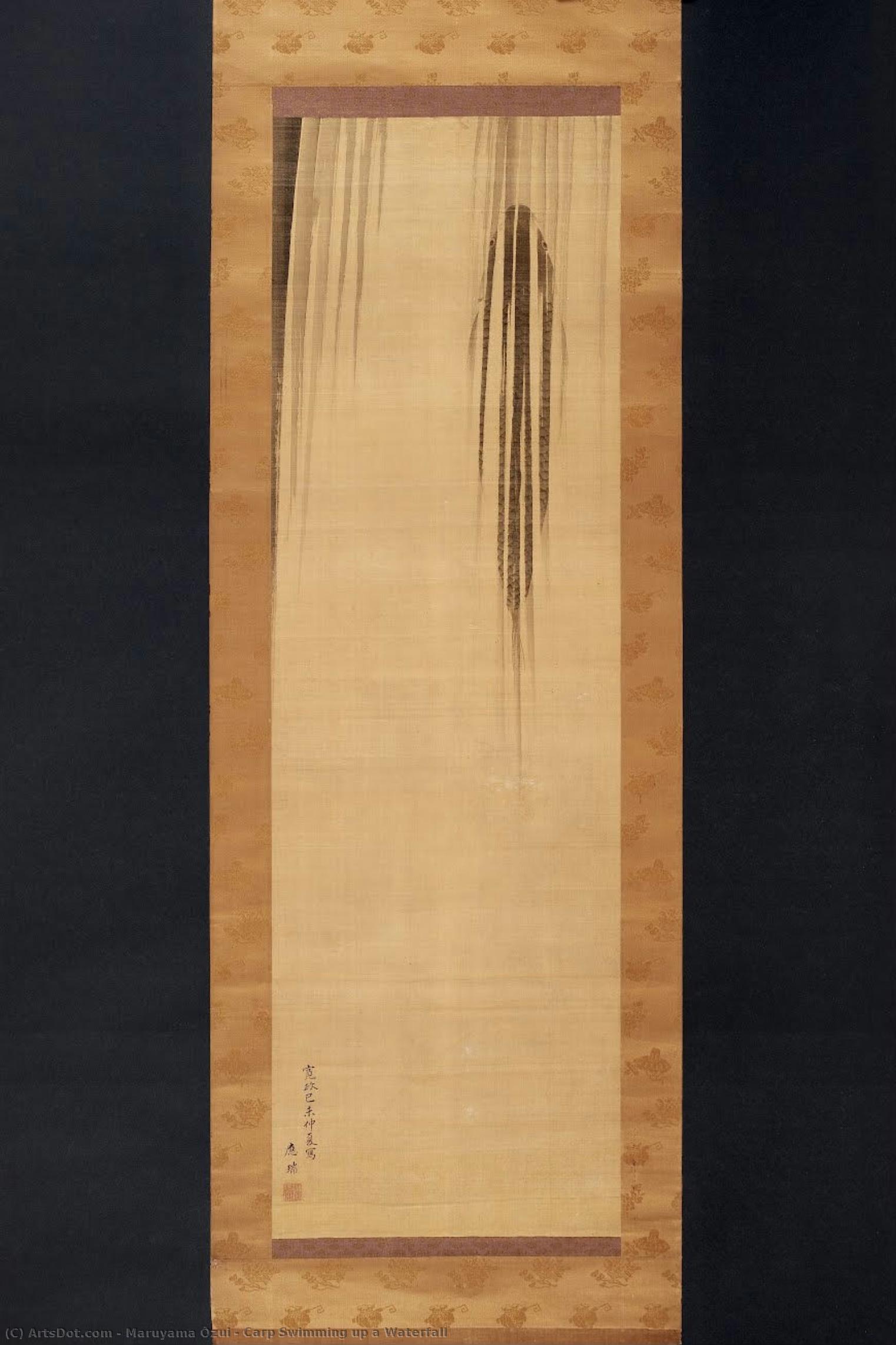
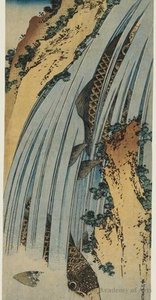
StatsCarp Swimming up a Waterfall
 Ink
Ink- WallArt
- Sumi-e
 19th Century
 48.0 x 185.0 cm
 Museum of Oriental Art
 詳細を見る
詳細を見る
ジークレー/アートプリント
迅速な制作と多彩な仕上げオプションを備えた、ミュージアムクオリティのジークレーまたはキャンバスプリント。 ( 手描きの絵画を購入 Switch to Digital Image)




P118B $10

P118H $10

P118W $10

P438Z $10

P508JH $12

P508YH $12

P805H $10

P805Z $10

P919BZ $10

P919G $10

P919XJ $10

P959ZH $10

P968JZ $12

W106C $8

W218G $10

W218JH $8

W218Y $10

W307PJ $10

W316G $10

W316PJ $8

W316Y $10

W398PJ $8

W4111J $10

W500HY $15

W500JH $15

W692G $12

W849H $8

W940BG $15

W953PJ $8




作品のオリジナル比率に合わせた、当店の規定サイズからお選びください。

特定のフレームやスペースに合わせて、ご自身でサイズを指定することも可能です。選択されたサイズが元の画像の比率と一致しない場合、作品をトリミングするか、鏡面反射または単色での塗りつぶしによって画像を拡張いたします。制作を開始する前に、ご確認用のデジタルモックアップをお送りいたします。
画面上のプレビューには、実際のトリミングや拡張は反映されませんのでご注意ください。最終的な構図を正確に確認できるのは、モックアップのみとなります。
カスタムサイズも承っておりますが、元の比率を維持するためには、あらかじめ用意されたリストからサイズを選択することをお勧めいたします。


 ガラスオプションは、110cm未満のサイズでのみご利用いただけます。

Carp Swimming up a Waterfall
ジークレー/アートプリント
複製画のサイズ
-


合計金額
$ 62
関連作品

![For A Hundred Years [i Have Been] A Person With No Attachments — Jiun Sonja](/media/artworks/images-thumb/da/71/da7160a5ef48eb4669b6fda75bd0e093.jpg)

アーティストの略歴
A Legacy of Splashing Ink: The Life and Art of Maruyama Ozui
Maruyama Ozui, born in Kyoto in 1766 and passing away in 1829, occupies a fascinating position within the landscape of Japanese painting. Though often overshadowed by his father, the celebrated Maruyama Ōkyo—the founder of the influential Maruyama school—Ozui carved out his own distinct artistic identity, becoming renowned for his dynamic depictions of fish, waterfalls, and landscapes imbued with a remarkable sense of energy. His work represents not merely imitation but a sensitive continuation and evolution of the family’s aesthetic principles, marked by a distinctive “splash” technique that brought an unprecedented vitality to traditional Japanese motifs.The Shadow of a Master: Early Life and Training
Ozui's artistic journey was inextricably linked to his father’s towering presence. Maruyama Ōkyo had already revolutionized Japanese painting by the time Ozui came of age, challenging established conventions with his commitment to realistic representation—a style informed by both Western perspective techniques encountered through imported stereoscopes and a deep study of Chinese masters like Qian Xuan and Qiu Ying. Ozui benefited immensely from this environment, receiving rigorous training directly under Ōkyo’s tutelage. This apprenticeship instilled in him not only technical proficiency but also a profound understanding of the principles underpinning the Maruyama school: a focus on direct observation from nature (*shasei*), meticulous detail, and a rejection of overly stylized or formulaic approaches. However, Ozui wasn't simply a copyist; he absorbed these lessons and began to develop his own unique voice, one that embraced a more fluid and expressive handling of ink and color.A Distinctive Style: Fish, Waterfalls, and the ‘Splash’ Technique
While Ōkyo’s work often featured detailed botanical studies and portraits, Ozui gravitated towards subjects that allowed him to showcase his burgeoning talent for capturing movement and atmosphere. He became particularly celebrated for his paintings of fish—carp, sweetfish, and other aquatic creatures rendered with astonishing realism and a palpable sense of life. These were not static representations; they seemed to shimmer and dart across the canvas, their scales catching the light, their fins trailing in the current. Central to this effect was Ozui’s innovative “splash” technique—a method of applying ink and color in bold, spontaneous strokes that created a dynamic interplay of textures and tones. This wasn't merely about replicating the appearance of water; it was about conveying its essence—its power, its fluidity, its ever-changing nature. His waterfalls, too, benefited from this approach, becoming swirling vortices of energy that seemed to leap off the page.Collaborative Works and Artistic Legacy
Ozui’s career wasn't solely defined by individual masterpieces. He frequently collaborated with other artists—a common practice in Japanese painting traditions—often contributing sections to larger-scale compositions. A notable example is a four-panel sliding door composition featuring a school of fish, an eel and a turtle, where Ozui worked alongside his father and several other prominent painters like Nagasawa Rosetsu and Yamamoto Shurei. These collaborative projects demonstrate the interconnectedness of the artistic community in Kyoto during this period and highlight Ozui’s respected position within it. While documentation of his life remains somewhat sparse, his surviving works—particularly those showcasing his signature “splash” technique—have secured his place as a significant figure in Japanese art history. He inherited his father's position as head of the Maruyama school, ensuring its continued influence for generations to come. His paintings continue to captivate viewers with their vibrant energy and masterful depiction of the natural world, serving as a testament to the enduring power of observation, skill, and artistic innovation.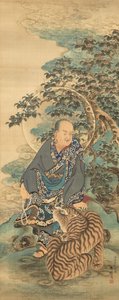
maruyama ozui
1766 - 1829 , Japan
基本情報
- Artistic Movement Or Style: Maruyama School
- Artists Or Movements Influenced By This Artist: ['Shijō School']
- Artists Who Influenced This Artist:
- Ishida Yūtei
- Qian Xuan
- Qiu Ying
- Date Of Birth: June 12, 1733
- Date Of Death: August 31, 1795
- Full Name: Maruyama Ōkyo
- Nationality: Japanese
- Notable Artworks:
- Carp Swimming up a Waterfall
- Sweetfish in Summer and Autumn
- Pine Trees in the Snow
- Place Of Birth: Kyoto, Japan
関連記事
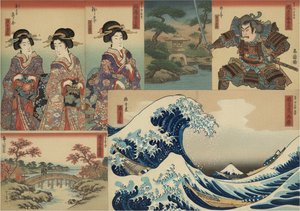
Ukiyo-e: Exploring Japan's Floating World & Enduring Artistic Legacy
Explore the captivating world of Ukiyo-e – Japan's iconic woodblock prints! Discover masters like Hokusai & Hiroshige, learn about Edo period culture, and find expert art collecting guidance at ArtsDot.
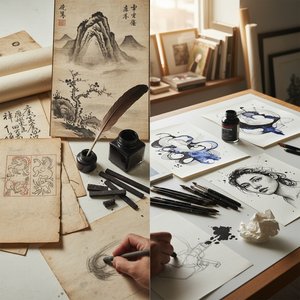
Ephemeral Expressions: Exploring the Nuances of Ink on Paper Through History & Contemporary Art
Explore the captivating world of ink wash painting – from its ancient origins to contemporary masters. Discover techniques, symbolism & conservation insights with ArtsDot.com.

葛飾北斎:25の傑作が語る浮世絵の世界 - ArtsDot
葛飾北斎の25選:『神奈川沖浪裏』や『富嶽三十六景』など、浮世絵の世界を深く探求。木版画の技法と日本美術の美をArtsDotで。高品質なアートプリントで空間に感動を。コレクションはこちら。
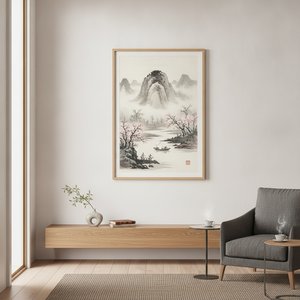
The Beauty of Ink Wash: Discover Serene & Soulful Art for Your Home
Discover the tranquil beauty of ink wash painting. Explore how Sumi-e and monochrome landscapes bring Zen-inspired serenity and soulful elegance to your home decor through expert curation and timeless East Asian aesthetics.
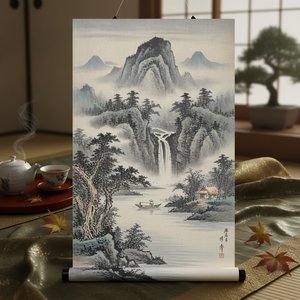
Serenity on Canvas: A Guide to the Timeless Beauty of Japanese Landscape Painting
Discover the serene beauty of Japanese landscape painting. From Hokusai's iconic woodblock prints to meditative sumi-e ink washes, explore a visual journey through the 'floating world' and learn how to bring this timeless Zen aesthetic into your modern home decor.