 プレビュー
プレビュー
 プリントを購入
 シェアする
シェアする シェアする
シェアする
 詳細を見る
詳細を見る

 ダウンロード
 似ている作品
 X線調査
X線調査 スライドショー
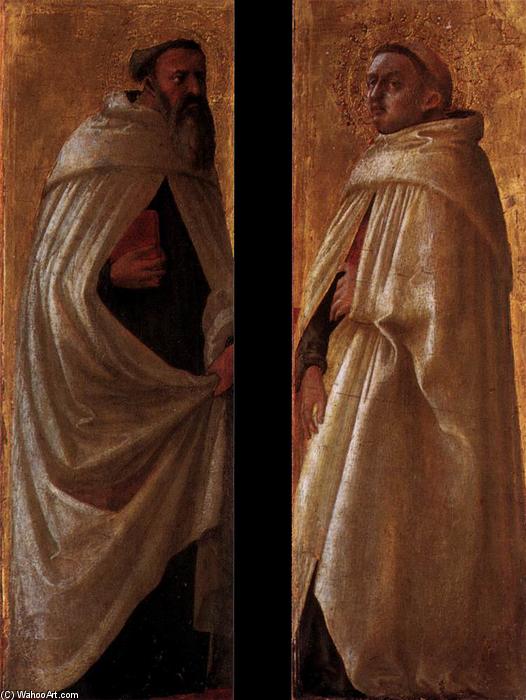
Two panels from the Pisa Altarpiece
 Tempera On Panel
- WallArt
- Early Renaissance Realism
 1426
1426- Renaissance
 38.0 x 13.0 cm
 国立博物館群
 詳細を見る
詳細を見る




P118B $10

P118H $10

P118W $10

P438Z $10

P508JH $12

P508YH $12

P805H $10

P805Z $10

P919BZ $10

P919G $10

P919XJ $10

P959ZH $10

P968JZ $12

W106C $8

W218G $10

W218JH $8

W218Y $10

W307PJ $10

W316G $10

W316PJ $8

W316Y $10

W398PJ $8

W4111J $10

W500HY $15

W500JH $15

W692G $12

W849H $8

W940BG $15

W953PJ $8




作品のオリジナル比率に合わせた、当店の規定サイズからお選びください。

特定のフレームやスペースに合わせて、ご希望のサイズをご入力いただけます。選択されたサイズが元の画像の比率と異なる場合、アートワークをトリミングするか、手描きで要素を追加して絵画を拡張いたします。デジタルモックアップ を制作し、制作開始前にご確認(承認)をいただきます。
画面上のプレビューは、実際のトリミングや拡張を正確に反映しているものではありません。最終的な構図は、モックアップによってのみ正確にご確認いただけます。
カスタムサイズもご利用いただけますが、元の比率を維持するためには、あらかじめ用意されたリストからサイズを選択することをお勧めいたします。
ご注文後、ArtsDot.com チームより詳細な指示をお送りするとともに、仕上がりイメージ(モックアップ)をご提供いたします。


 ガラスオプションは、110cm未満のサイズでのみご利用いただけます。

Two panels from the Pisa Altarpiece
複製技法
複製画のサイズ
-


合計金額
$ 263
作品解説
A Glimpse into the Renaissance Soul
In the quiet, hallowed halls of art history, few works capture the dawn of a new era as poignantly as Masaccio’s Two Panels from the Pisa Altarpiece. Completed in 1426, these panels are far more than mere fragments of a lost polyptych; they are windows into a transformative moment when the rigid conventions of the Gothic period began to dissolve, giving way to the profound humanism of the Early Italian Renaissance. Commissioned for the church of Santa Maria del Carmine in Pisa by Ser Giuliano degli Scarsi, these figures stand as silent sentinels of faith, inviting the viewer into a space of deep, meditative stillness.
The subject matter is deceptively simple yet emotionally profound. The panels depict two figures—a man and a woman—caught in an intimate gesture of spiritual contemplation. There is a palpable sense of gravity in their postures; they do not merely exist within the frame, but seem to inhabit a sacred, shared breath. As one figure gazes toward the other, a silent dialogue unfolds, suggesting the theological interconnectedness of humanity and the divine. For the modern collector or designer, this piece offers an unparalleled sense of serenity, making it a masterful focal point for spaces intended to inspire reflection and peace.
The Mastery of Light and Form
To look upon these panels is to witness the revolutionary hand of Masaccio, a painter who redefined the boundaries of reality. Having trained under the influence of the great sculptor Donatello, Masaccio brought a sculptural weight to his figures that was unprecedented in 1426. Through the meticulous application of egg tempera, he achieved a luminous vibrancy that allows light to dance across the heavy folds of their white garments. His use of chiaroscuro—the dramatic interplay of light and shadow—creates a convincing sense of three-dimensionality, pulling the figures forward from the flat plane of the panel.
The technique is nothing short of architectural. Masaccio employed an early mastery of linear perspective to create an illusion of depth, transforming a simple backdrop into a structured space that feels tangible and real. Every crease in the drapery and every subtle shift in skin tone was executed with a commitment to naturalism that would set the standard for generations of Western artists. This dedication to anatomical accuracy and geometric precision ensures that even as a reproduction, the work retains its commanding presence and structural integrity.
A Legacy of Humanist Beauty
The historical context of this work is steeped in the intellectual ferment of the Quattrocento. As Europe began to rediscover the wisdom of classical antiquity, Masaccio was at the forefront, translating Roman sculptural principles into the language of painting. The Two Panels from the Pisa Altarpiece embody this shift toward a more naturalistic aesthetic, where the divine is found within the human experience. The symbolism embedded in their quietude—the solemnity of their gaze and the dignity of their forms—serves as a timeless reminder of the beauty found in devotion and the strength found in stillness.
For those seeking to adorn a curated collection or an elegantly designed interior, these panels offer much more than decoration. They provide a connection to the very foundations of modern art. Whether placed in a sunlit study or a sophisticated gallery setting, Masaccio’s work brings with it an aura of historical importance and an enduring emotional resonance that continues to captivate the heart of the art lover.
関連作品

アーティストの略歴
マサッチョ:ルネサンスの夜明け
トマッソ・ディ・セル・ジョヴァンニ・ディ・シモーネ、一般的にはマサッチョ(“不器用なトマッソ”の意味)として知られる画家は、初期イタリア・ルネサンスを代表する重要な人物です。1401年12月21日にサン・ジョヴァンニ・ヴァルドアルノで生まれ、1428年に若くして亡くなった彼の短い生涯は、革新的な写実性、遠近法、明暗法(キアロスクーロ)によって絵画に革命をもたらしました。短い人生にもかかわらず、マサッチョのその後の世代の芸術家への影響は深く、自然主義の新たな基準を確立し、西洋美術の流れを変えました。
幼少期と修業
マサッチョは、公証人のジョヴァンニ・ディ・シモーネ・カッサイとジャコパ・ディ・マルティンツォの間に生まれました。彼の家族名であるカッサイは、父方の祖父が家具職人であったことに由来します。5歳の時に父親を亡くし、兄のジョヴァンニ(ロ・スケッジャ)も画家になることになります。マサッチョの芸術的修業に関する詳細はほとんど不明であり、これはルネサンス期の画家としては珍しいことです。12歳頃に弟子入りしたと考えられていますが、決定的な師は特定されていません。この記録に残されていない修業期間が、彼の急速な発展と革新的な技術に対する謎を深めています。
芸術的発達と主要作品
初期にはジョット・ディ・ボンドーネの影響を受けていましたが、マサッチョはすぐに彼を超越し、遠近法と解剖学への理解を深めました。また、フィリッポ・ブルネレスキの建築革新、特にブルネレスキが再発見した線形遠近法からもインスピレーションを受けました。彼はいくつかの画期的な技術を確立しました。線形遠近法は、消失点と数学的精度を用いて、二次元の表面に説得力のある奥行きを作り出しました。また、キアロスクーロを巧みに使い、光と影を使って形態をモデル化し、それまで絵画には見られなかった立体感と写実性を生み出しました。自然主義は、解剖学的に正確で感情表現豊かな人物を描き、初期の様式化された表現から脱却しました。
- サン・ジョヴェナーレ三連祭壇画(1422年頃):彼の遠近法と自然主義的な表現における才能が発展していく初期の作品です。
- 聖母子と聖アンナ(1423-1425年頃):マサッチョの新たな写実性と、より伝統的な様式であるマソリーノとの共同制作による作品です。
- ブランカッチ礼拝堂の壁画(1425-1428年頃):彼の最も有名で影響力のある作品であり、フィレンツェのサンタ・マリア・デル・カルミネ教会にあります。これらの壁画には、「税金の支払い」、「楽園からの追放」、「聖ペテロによる新信者の洗礼」などがあり、初期ルネサンス美術の傑作とされています。
歴史的意義と遺産
マサッチョの短い生涯にもかかわらず、西洋美術の流れへの影響は計り知れません。遠近法、キアロスクーロ、自然主義における彼の革新は、芸術家が世界を描く方法を根本的に変えました。彼は中世の芸術的慣習とルネサンスの新たな理想との間の橋渡しを果たしました。
- 後世の芸術家への影響:マサッチョの作品は、ドナテッロ、レオナルド・ダ・ヴィンチ、ミケランジェロ、ラファエロなど、次世代の画家たちに深く影響を与えました。彼らは彼の壁画を熱心に研究し、その技術を採用して自身の様式に取り入れました。
- 盛期ルネサンスの基礎:写実性と人間感情への重点は、盛期ルネサンスの芸術的成果のための基盤を築きました。
- ヴァザーリの記述:伝記作家ジョルジョ・ヴァザーリはマサッチョの天才を認め、「彼の世代で最高の画家」と称賛し、比類のないスキルで自然を模倣する能力を強調しました。
- 悲劇的な損失:26歳という若さでの死は同時代の人々によって悼まれ、フィリッポ・ブルネレスキはこのような才能の喪失を嘆きました。
結論
マサッチョの遺産は、歴史上最も重要で影響力のある芸術家の一人としての地位を確立しています。彼は中世からルネサンス美術への移行における重要な人物であり、絵画を通して世界を知覚し表現する方法を永遠に変えました。彼の短いながらも輝かしいキャリアは、革新の力と芸術的才能の永続的な影響の証です。
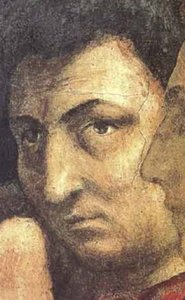
マサッチョ
1401 - 1429 , イタリア
基本情報
- Artistic Movement Or Style: 初期ルネサンス
- Artists Or Movements Influenced By This Artist: ['後のルネサンス画家たち']
- Artists Who Influenced This Artist:
- ジョット
- ブルネレスキ
- ドナテッロ
- Date Of Birth: 1401年12月21日
- Date Of Death: 1428年夏
- Full Name: マサッチョ(ジョヴァンニ・ディ・シモーネ)
- Nationality: イタリア人
- Notable Artworks:
- 三位一体
- ブランカッチ礼拝堂の壁画
- Place Of Birth (City And Country): サン・ジョヴァンニ・ヴァルダルノ、イタリア
関連記事

家族の遺産を壁画で彩る:伝統技法が紡ぐ、時を超越する美と記憶
古代から現代までの壁画の歴史と技法を解説。日本の壁画文化やカスタムオーダーによる家族の遺産表現、保存・修復技術まで網羅。専門家が時を超越する美と記憶を紡ぐ芸術的価値をご案内します。

The Enduring Legacy of Fresco Painting: Techniques, History & Contemporary Relevance
Explore the rich history & enduring artistry of fresco painting – from Giotto to Michelangelo! Discover techniques, conservation efforts, & modern applications. Learn how ArtsDot brings this timeless art form to your home.

The Enduring Legacy of Fresco: Technique, History & Artistic Expression Across Cultures
Explore the rich history & enduring legacy of fresco painting! Discover ancient techniques, Giotto's masterpieces, and modern applications. Expert insights for art lovers & professionals.

Art That Lives With You: The Emotional Power of a Custom Interior Fresco
Discover the emotional power & timeless beauty of custom interior frescoes. Explore history, design tips & expert guidance from – creating lasting legacies.
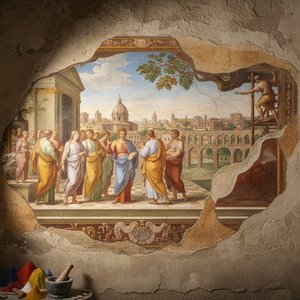
The Enduring Legacy of Fresco: Technique, History & Artistic Expression
Explore the rich history & enduring artistry of fresco painting. Discover techniques from Giotto to Michelangelo, conservation efforts, & modern applications. Learn how ArtsDot brings this timeless art form to your home.