

 プレビュー
プレビュー
 プリントを購入
 シェアする
シェアする シェアする
シェアする
 詳細を見る
詳細を見る

 ダウンロード
 似ている作品
 X線調査
X線調査 スライドショー
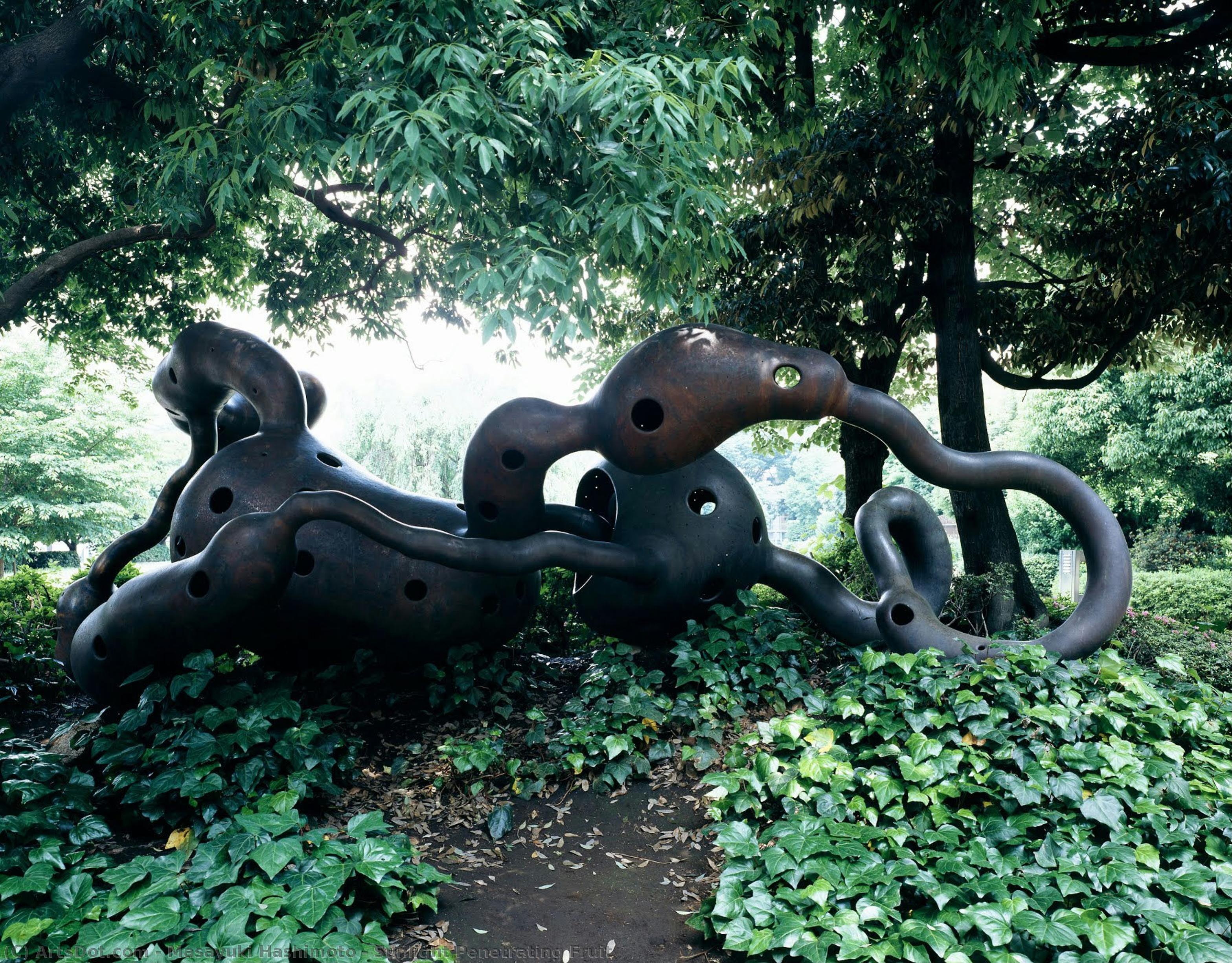
Sunlight Penetrating Fruit
 詳細を見る
詳細を見る
オンラインプレビューをはるかに凌ぐ、高解像度で鮮明なデジタル画像をご購入いただけます。
各ファイルは、社内の専門家が高度なツールと熟練した手作業によるレタッチを用いて、細心の注意を払って準備されています。すべての画像において、卓越した鮮明度、正確な色彩再現性、そして繊細なディテールを保証いたします。
最終ファイルは、プロフェッショナルな編集・印刷環境ですぐにご利用いただけるよう最適化された状態で、72時間以内にメールにてお届けいたします。これは、一流のデザインスタジオ、出版社、ギャラリーから信頼されているものと同等の品質です。
デジタル画像のご注文に付随する特典
高品質なデジタル画像配信を、確かな品質で。
ArtsDot.com を選ぶことは、単に画像を手に入れることではありません。それは、プロの手によって精密に仕上げられ、満足保証が付いた高品質なデジタルアートワークを受け取ることを意味します。ご注文いただいた際に自動的に付随する内容は、以下の通りです:

メールですぐにお届け
ご注文から72時間以内に、高解像度のデジタル画像ファイルがメールでお手元に届きます。すぐにそのままご利用いただけます。

AI技術で最適化されたデジタルファイル
お客様の作品は、高度なAIツールと専門家による手作業の編集を組み合わせてプロフェッショナルに最適化されており、細部のディテール、鮮明さ、そして正確な色再現性を最大限に引き出しています。

一生涯無料の再送サービス
ファイルを誤って削除したり、紛失してしまったりしましたか?ご安心ください。いつでも無料で再送いたします。

輸入手数料は一切かかりません
関税や手数料、配送料を気にすることなく、お気に入りのアートワークをすぐにお楽しみいただけます。デジタルダウンロードは常に免税です。

色彩再現の保証
プロ仕様のツールとカラーマネジメント技術を用いることで、デジタル画像が元の色を最大限に忠実に再現することを保証いたします。

100日間満足保証
ご購入いただいたデジタル画像にご満足いただけない場合は、100日以内であれば、理由を問わず修正または100%の返金対応をさせていただきます。

100% 返金保証
ご満足いただけない場合は、デジタルファイルを受け取ってから100日以内であれば、理由を問わず全額返金いたします。

まとめ買い割引
3枚購入で10%OFF - 5枚購入で15%OFF - 10枚以上購入で20%OFF。クリエイティブなプロジェクト、ギャラリー、エージェンシーに最適です。
関連作品










作家の略歴
The Convergence of Metal and Nature: The Artistry of Masayuki Hashimoto
In the delicate intersection where human craftsmanship meets the organic rhythms of the natural world, the work of Masayuki Hashimoto resides. While many recognize his name through the lens of cinematic performance, his true sculptural legacy lies in a profound dialogue with the environment. His journey into the heart of materiality began at the prestigious Tokyo National University of Fine Arts and Music, where he immersed himself in the rigorous discipline of metal hammering. Though he departed from the graduate program in 1972 without a formal degree, the technical mastery he acquired during those formative years became the foundation for an artistic language that is both structurally complex and deeply biological.
Hashimoto’s creative evolution is marked by a departure from static form toward a concept of living art. In 1978, he embarked on a transformative series entitled Orchard: Sunlight Penetrating Fruit, Fruit in Sunlight Filtering through Leaves. This period signaled his move away from traditional sculpture toward works that exist in symbiosis with their surroundings. A pivotal moment occurred during the 1985 Tsukuba International Environmental Art Symposium, where Hashimoto first experimented with attaching his metalwork directly to living trees. This radical approach birthed a philosophy of proliferation, where his sculptures are designed not as finished monuments, but as growing entities that expand and change in direct correspondence to the plants and branches they inhabit.
Technique and the Living Sculpture
The technical brilliance of Hashimoto’s work lies in the ancient, rhythmic art of metal hammering. Through a process of beating, enlarging, and reshaping metal with a hammer, he creates intricate, perforated structures that defy the perceived rigidity of their medium. These works are often characterized by a complex network of holes and openings, designed to capture the ephemeral beauty of light. When the sun filters through the canopy above, the interior of his sculptures is transformed into a shimmering, womb-like space, where light and shadow dance across the hammered surfaces.
This mastery of form earned him significant critical acclaim, most notably the Museum of Modern Art, Saitama Prize at the Exhibition of Contemporary Japanese Sculpture in 1995. His ability to manipulate metal so that it appears to grow, extend vines, and shoot out branches like a living organism remains one of his most significant contributions to contemporary sculpture. One of his most celebrated pieces, acquired by the museum in 1996, serves as a testament to this concept; through successive "proliferative operations," the work has more than doubled in size, its form evolving alongside the shrubbery in which it is installed.
A Legacy of Symbiosis
The historical significance of Masayuki Hashimoto’s oeuvre lies in his rejection of the artist as a solitary creator of static objects. Instead, he positions himself as a collaborator with nature. His work challenges the boundary between the man-made and the organic, suggesting that art can be a biological participant in an ecosystem rather than an imposition upon it. By creating pieces that are subject to the same growth and seasonal changes as the trees they adorn, Hashimoto achieves a rare form of environmental integration.
To contemplate his work is to witness a continuous metamorphosis. His sculptures embody several key artistic themes:
- Organic Proliferation: The intentional design of art that expands in tandem with its natural environment.
- Luminous Interactivity: The use of perforation and texture to create an internal world shaped by sunlight.
- Material Transformation: The elevation of industrial metal hammering into a medium capable of mimicking soft, biological growth.
Ultimately, Hashimoto’s legacy is one of profound harmony, reminding us that the most enduring art is that which breathes, grows, and evolves alongside the world it inhabits.
masayuki hashimoto
1956 - , Japan
プロフィール概要
- Artistic Movement Or Style: Cinematic art
- Date Of Death: Living
- Full Name: Masayuki Hashimoto
- Nationality: Japanese
- Notable Artworks: ['Sunlight Penetrating Fruit']
- Place Of Birth: Japan