

 プレビュー
プレビュー
 シェアする
シェアする シェアする
シェアする
 詳細を見る
詳細を見る

 ダウンロード
 似ている作品
 X線調査
X線調査 スライドショー
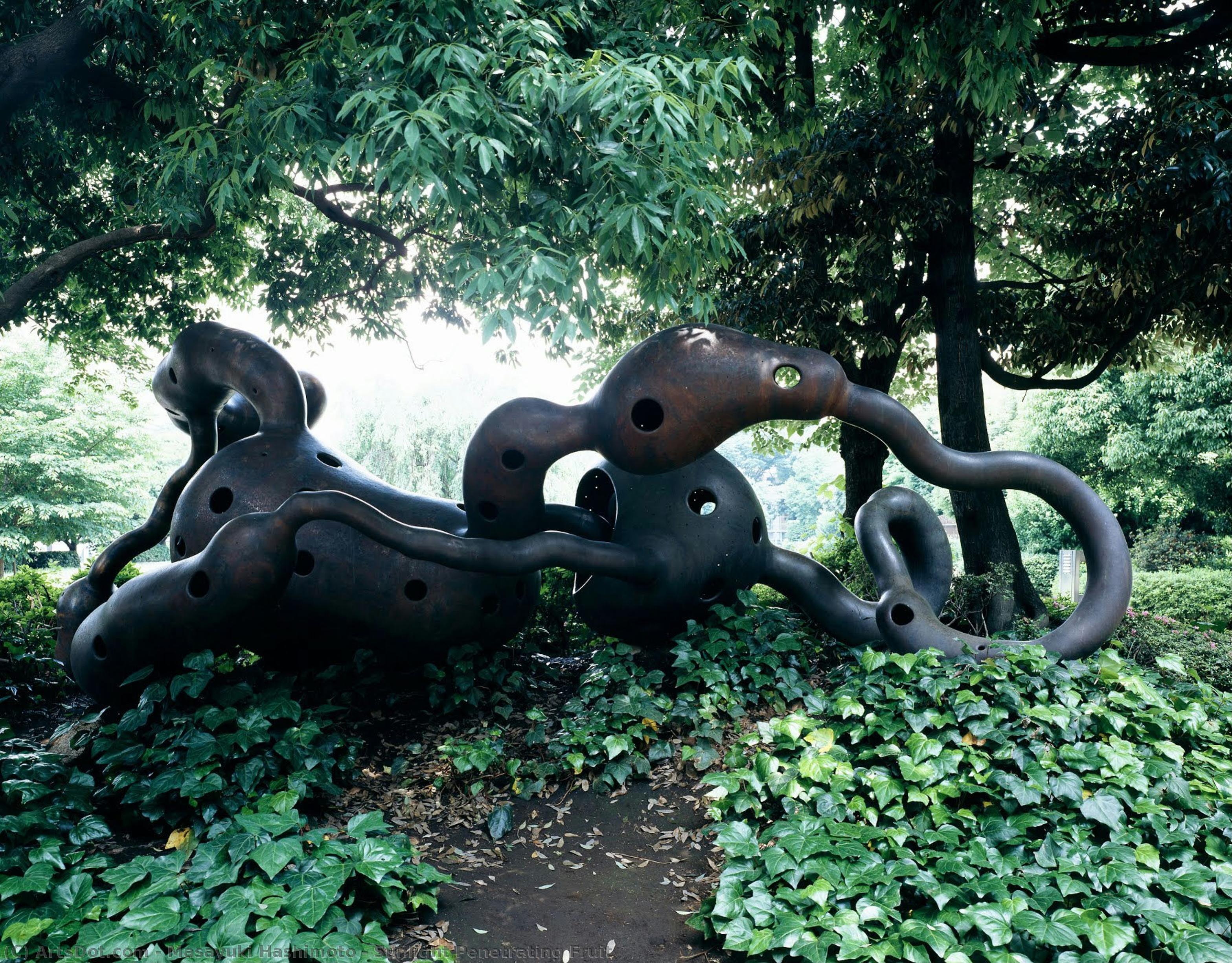
Sunlight Penetrating Fruit
 詳細を見る
詳細を見る
ジークレー/アートプリント
迅速な制作と多彩な仕上げオプションを備えた、ミュージアムクオリティのジークレーまたはキャンバスプリント。 ( 手描きの絵画を購入 画像を購入)




































作品のオリジナル比率に合わせた、当店の規定サイズからお選びください。

特定のフレームやスペースに合わせて、ご自身でサイズを指定することも可能です。選択されたサイズが元の画像の比率と一致しない場合、作品をトリミングするか、鏡面反射または単色での塗りつぶしによって画像を拡張いたします。制作を開始する前に、ご確認用のデジタルモックアップをお送りいたします。
画面上のプレビューには、実際のトリミングや拡張は反映されませんのでご注意ください。最終的な構図を正確に確認できるのは、モックアップのみとなります。
カスタムサイズも承っておりますが、元の比率を維持するためには、あらかじめ用意されたリストからサイズを選択することをお勧めいたします。


 ガラスオプションは、110cm未満のサイズでのみご利用いただけます。

Sunlight Penetrating Fruit
ジークレー/アートプリント
複製画のサイズ
-


合計金額
$ 62
関連作品










アーティストの略歴
The Convergence of Metal and Nature: The Artistry of Masayuki Hashimoto
In the delicate intersection where human craftsmanship meets the organic rhythms of the natural world, the work of Masayuki Hashimoto resides. While many recognize his name through the lens of cinematic performance, his true sculptural legacy lies in a profound dialogue with the environment. His journey into the heart of materiality began at the prestigious Tokyo National University of Fine Arts and Music, where he immersed himself in the rigorous discipline of metal hammering. Though he departed from the graduate program in 1972 without a formal degree, the technical mastery he acquired during those formative years became the foundation for an artistic language that is both structurally complex and deeply biological.
Hashimoto’s creative evolution is marked by a departure from static form toward a concept of living art. In 1978, he embarked on a transformative series entitled Orchard: Sunlight Penetrating Fruit, Fruit in Sunlight Filtering through Leaves. This period signaled his move away from traditional sculpture toward works that exist in symbiosis with their surroundings. A pivotal moment occurred during the 1985 Tsukuba International Environmental Art Symposium, where Hashimoto first experimented with attaching his metalwork directly to living trees. This radical approach birthed a philosophy of proliferation, where his sculptures are designed not as finished monuments, but as growing entities that expand and change in direct correspondence to the plants and branches they inhabit.
Technique and the Living Sculpture
The technical brilliance of Hashimoto’s work lies in the ancient, rhythmic art of metal hammering. Through a process of beating, enlarging, and reshaping metal with a hammer, he creates intricate, perforated structures that defy the perceived rigidity of their medium. These works are often characterized by a complex network of holes and openings, designed to capture the ephemeral beauty of light. When the sun filters through the canopy above, the interior of his sculptures is transformed into a shimmering, womb-like space, where light and shadow dance across the hammered surfaces.
This mastery of form earned him significant critical acclaim, most notably the Museum of Modern Art, Saitama Prize at the Exhibition of Contemporary Japanese Sculpture in 1995. His ability to manipulate metal so that it appears to grow, extend vines, and shoot out branches like a living organism remains one of his most significant contributions to contemporary sculpture. One of his most celebrated pieces, acquired by the museum in 1996, serves as a testament to this concept; through successive "proliferative operations," the work has more than doubled in size, its form evolving alongside the shrubbery in which it is installed.
A Legacy of Symbiosis
The historical significance of Masayuki Hashimoto’s oeuvre lies in his rejection of the artist as a solitary creator of static objects. Instead, he positions himself as a collaborator with nature. His work challenges the boundary between the man-made and the organic, suggesting that art can be a biological participant in an ecosystem rather than an imposition upon it. By creating pieces that are subject to the same growth and seasonal changes as the trees they adorn, Hashimoto achieves a rare form of environmental integration.
To contemplate his work is to witness a continuous metamorphosis. His sculptures embody several key artistic themes:
- Organic Proliferation: The intentional design of art that expands in tandem with its natural environment.
- Luminous Interactivity: The use of perforation and texture to create an internal world shaped by sunlight.
- Material Transformation: The elevation of industrial metal hammering into a medium capable of mimicking soft, biological growth.
Ultimately, Hashimoto’s legacy is one of profound harmony, reminding us that the most enduring art is that which breathes, grows, and evolves alongside the world it inhabits.
masayuki hashimoto
1956 - , Japan
基本情報
- Artistic Movement Or Style: Cinematic art
- Date Of Death: Living
- Full Name: Masayuki Hashimoto
- Nationality: Japanese
- Notable Artworks: ['Sunlight Penetrating Fruit']
- Place Of Birth: Japan