

 プレビュー
プレビュー
 プリントを購入
 シェアする
シェアする シェアする
シェアする
 詳細を見る
詳細を見る

 ダウンロード
 似ている作品
 X線調査
X線調査 スライドショー
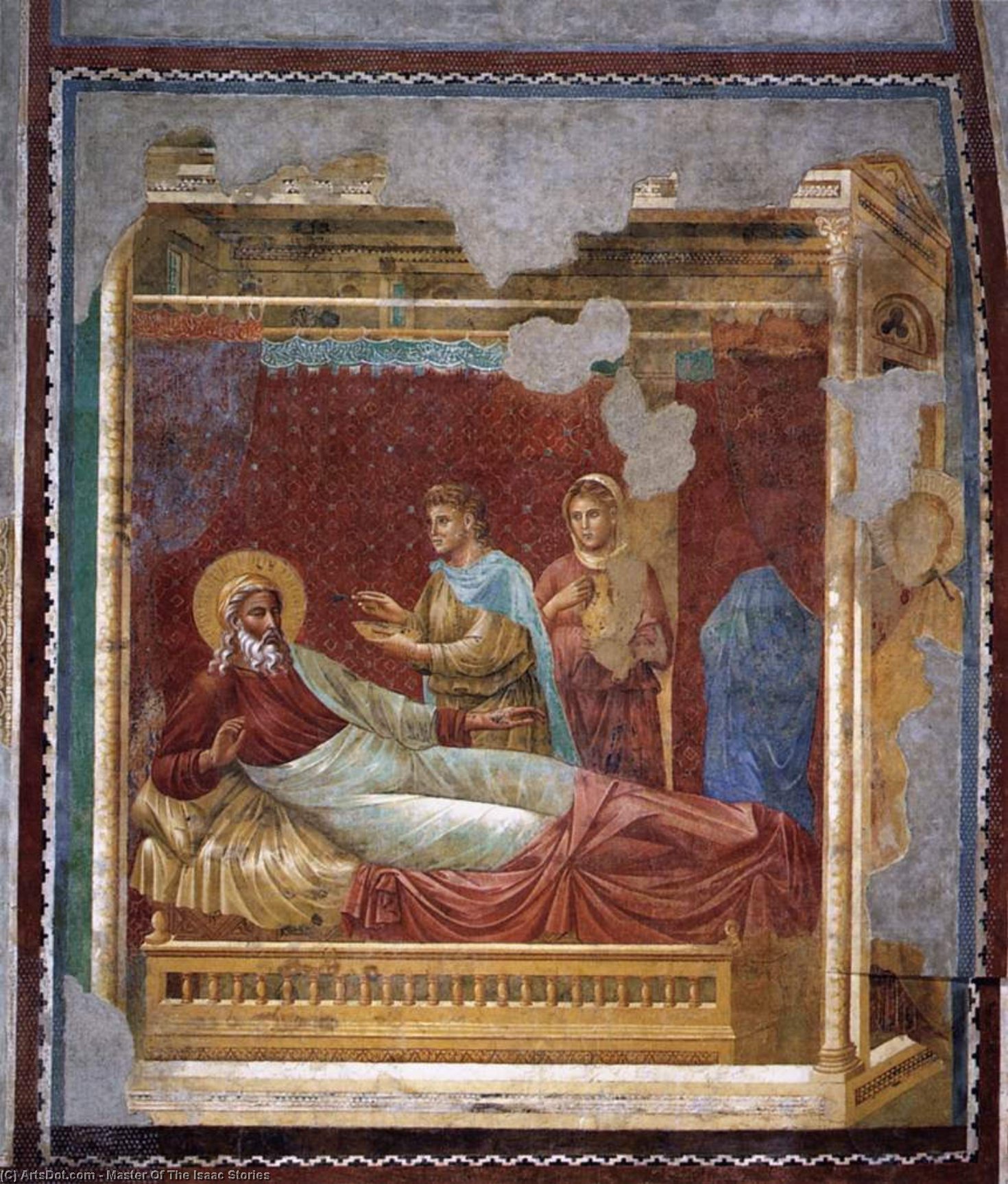
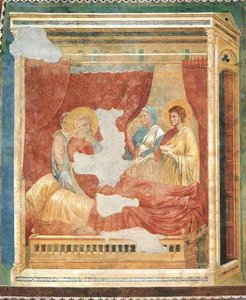
Scenes from the Old Testament: Isaac Rejecting Esau


 詳細を見る
詳細を見る
オンラインプレビューをはるかに凌ぐ、高解像度で鮮明なデジタル画像をご購入いただけます。
各ファイルは、社内の専門家が高度なツールと熟練した手作業によるレタッチを用いて、細心の注意を払って準備されています。すべての画像において、卓越した鮮明度、正確な色彩再現性、そして繊細なディテールを保証いたします。
最終ファイルは、プロフェッショナルな編集・印刷環境ですぐにご利用いただけるよう最適化された状態で、72時間以内にメールにてお届けいたします。これは、一流のデザインスタジオ、出版社、ギャラリーから信頼されているものと同等の品質です。
デジタル画像のご注文に付随する特典
高品質なデジタル画像配信を、確かな品質で。
ArtsDot.com を選ぶことは、単に画像を手に入れることではありません。それは、プロの手によって精密に仕上げられ、満足保証が付いた高品質なデジタルアートワークを受け取ることを意味します。ご注文いただいた際に自動的に付随する内容は、以下の通りです:

メールですぐにお届け
ご注文から72時間以内に、高解像度のデジタル画像ファイルがメールでお手元に届きます。すぐにそのままご利用いただけます。

AI技術で最適化されたデジタルファイル
お客様の作品は、高度なAIツールと専門家による手作業の編集を組み合わせてプロフェッショナルに最適化されており、細部のディテール、鮮明さ、そして正確な色再現性を最大限に引き出しています。

一生涯無料の再送サービス
ファイルを誤って削除したり、紛失してしまったりしましたか?ご安心ください。いつでも無料で再送いたします。

輸入手数料は一切かかりません
関税や手数料、配送料を気にすることなく、お気に入りのアートワークをすぐにお楽しみいただけます。デジタルダウンロードは常に免税です。

色彩再現の保証
プロ仕様のツールとカラーマネジメント技術を用いることで、デジタル画像が元の色を最大限に忠実に再現することを保証いたします。

100日間満足保証
ご購入いただいたデジタル画像にご満足いただけない場合は、100日以内であれば、修正または100%の返金(理由を問う必要はありません)をさせていただきます。

100% 返金保証
ご満足いただけない場合は、デジタルファイルを受け取ってから100日以内であれば、理由を問わず全額返金いたします。

まとめ買い割引
3枚購入で10%OFF - 5枚購入で15%OFF - 10枚以上購入で20%OFF。クリエイティブなプロジェクト、ギャラリー、エージェンシーに最適です。
関連作品
![Legend Of St Francis - [03] - Dream Of The Palace — ジョット, Gothic](/media/artworks/images-thumb/47/85/4785472aa265f95fe6962555859f4ab5.jpg)
作家の略歴
The Enigmatic Master of the Isaac Stories
The name “Master of the Isaac Stories” evokes a sense of mystery, a deliberate anonymity shrouding an artist whose vibrant frescoes once adorned the Basilica of San Francesco in Assisi. Active during the 1290s—a pivotal decade bridging the late medieval and proto-Renaissance periods—this painter remains largely unknown beyond the compelling power of his surviving works. Unlike many contemporaries, no documented name or biographical details have surfaced; instead, scholars bestowed this title based on a series of Old Testament scenes featuring Isaac blessing Jacob and rejecting Esau, which occupy a prominent position within the basilica’s upper church. The very lack of personal history contributes to the allure surrounding him, allowing us to focus solely on the artistry itself—a testament to his skill and vision.Assisi and the Context of Creation
To understand the Master of the Isaac Stories, one must first appreciate the artistic climate of Assisi in the late 13th century. The Basilica of San Francesco, commissioned by Saint Francis himself, was already a crucible of innovation, attracting artists eager to translate the saint’s spiritual ideals into visual form. Prior to the arrival of Giotto—whose hand is debated in connection with this master—artists like Cimabue and Jacopo Torriti had begun experimenting with greater naturalism and emotional depth. The basilica's walls were becoming a narrative tapestry, illustrating biblical stories for a largely illiterate populace. It was within this dynamic environment that the Master of the Isaac Stories flourished, contributing to the ongoing evolution of Gothic painting in Italy. His work is deeply embedded within this tradition, yet possesses unique qualities that set it apart.Style and Influences: A Roman Connection
The stylistic characteristics of the frescoes reveal a fascinating blend of influences. While firmly rooted in Byzantine traditions—evident in the use of gold backgrounds, elongated figures, and hierarchical compositions—the Master’s work also displays a burgeoning interest in naturalism and spatial depth. The drapery is rendered with remarkable fluidity, conveying movement and texture, while the faces exhibit a subtle emotional range. A strong Roman influence has been posited by many scholars, suggesting that the artist may have trained or worked in Rome before arriving in Assisi. This connection is supported by iconographic details within the frescoes, which align closely with artistic trends prevalent in the Roman school of painting, particularly those associated with Pietro Cavallini. The dynamic compositions and expressive gestures also hint at a familiarity with classical models, subtly foreshadowing the developments of the Renaissance.The Isaac Cycle: Narrative Power and Symbolism
The frescoes depicting the stories of Isaac—blessing Jacob and rejecting Esau—are the cornerstone of the Master’s known oeuvre. These scenes are not merely illustrations; they are powerful narratives imbued with theological significance. The depiction of Isaac blessing Jacob, despite Jacob's deception of his blind father, highlights themes of divine election and predestination. Conversely, the rejection of Esau underscores the consequences of worldly desires and spiritual indifference. The artist masterfully conveys these complex ideas through carefully chosen gestures, facial expressions, and symbolic details. Rebecca’s presence in both scenes adds another layer of intrigue, representing maternal cunning and a proactive role in fulfilling God's will. Beyond the central narrative, the surrounding figures—witnesses to these pivotal moments—are rendered with individual characterizations, enhancing the dramatic impact of the compositions.Legacy and Historical Significance
The earthquake of 1997 inflicted significant damage upon the frescoes in the Upper Church of San Francesco, including those attributed to the Master of the Isaac Stories. While restoration efforts have been ongoing, much of his work remains fragmented or lost. Despite this loss, the surviving fragments continue to captivate art historians and enthusiasts alike. The debate surrounding the artist’s identity—whether he was a young Giotto, a Roman painter like Gaddo Gaddi, or an independent master—only adds to his mystique. Regardless of his precise origins, the Master of the Isaac Stories occupies a crucial position in the transition from medieval Gothic art to the more naturalistic styles of the Renaissance. His vibrant colors, dynamic compositions, and expressive figures represent a significant step forward in Italian painting, paving the way for the artistic innovations that would define the 14th century and beyond. His work serves as a poignant reminder of the enduring power of art to convey complex narratives and profound spiritual truths. The Master’s legacy lies not only in his technical skill but also in his ability to breathe life into biblical stories, making them accessible and emotionally resonant for generations to come.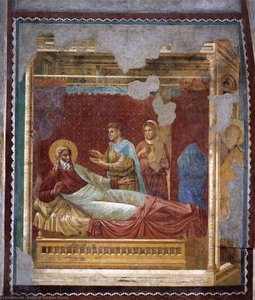
プロフィール概要
- Artistic Movement Or Style: Gothic art
- Date Of Death: Living
- Full Name: Master of the Isaac Stories
- Notable Artworks:
- Isaac Rejecting Esau
- The Doctors of the Church (detail)