

 プレビュー
プレビュー
 シェアする
シェアする シェアする
シェアする
 詳細を見る
詳細を見る

 ダウンロード
 似ている作品
 X線調査
X線調査 スライドショー
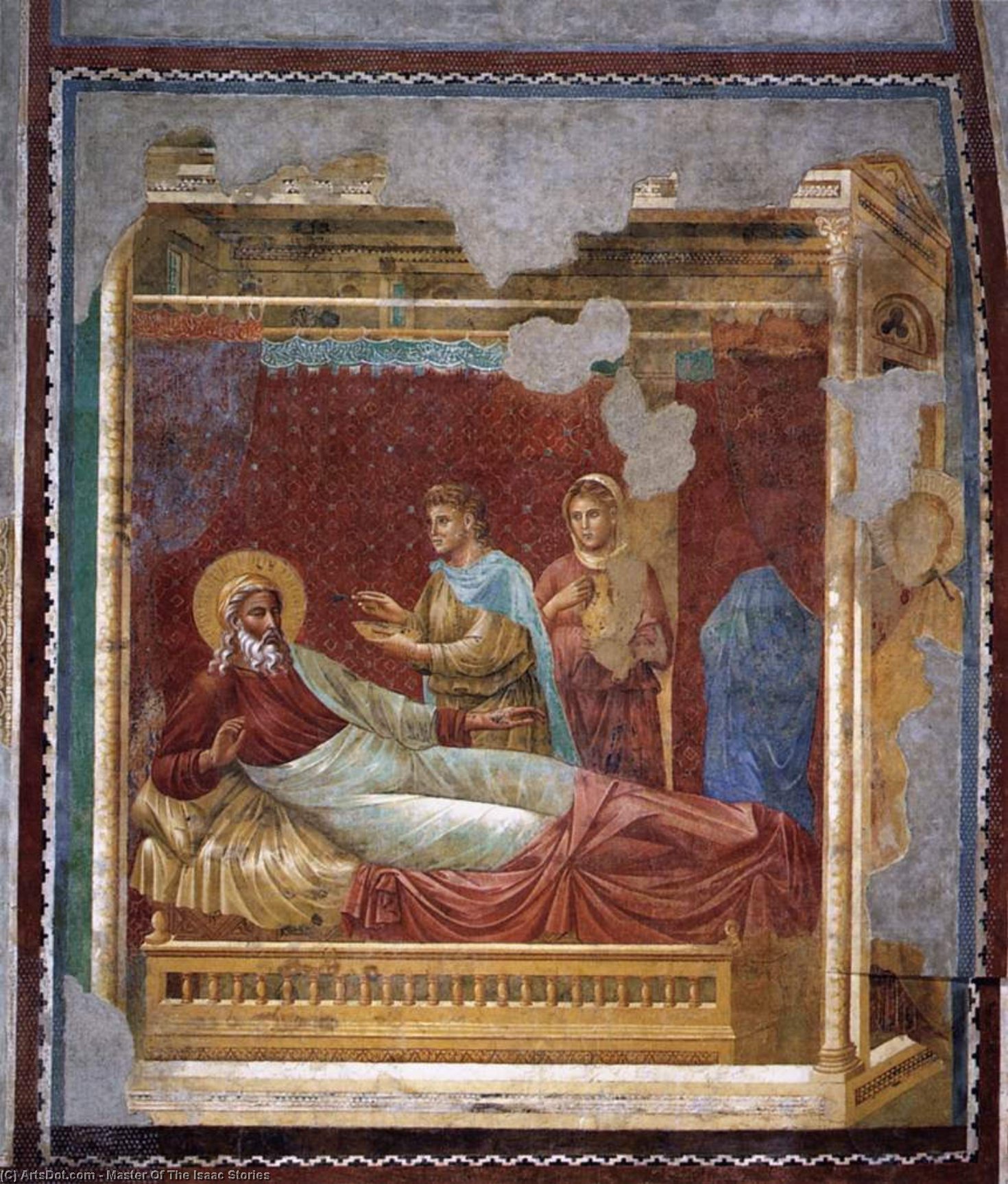
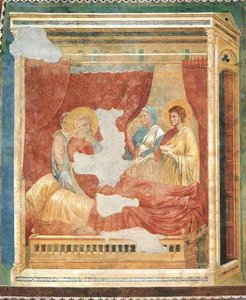
Scenes from the Old Testament: Isaac Rejecting Esau


 詳細を見る
詳細を見る
ジークレー/アートプリント
迅速な制作と多彩な仕上げオプションを備えた、ミュージアムクオリティのジークレーまたはキャンバスプリント。 ( 手描きの絵画を購入 画像を購入)




































作品のオリジナル比率に合わせた、当店の規定サイズからお選びください。

特定のフレームやスペースに合わせて、ご自身でサイズを指定することも可能です。選択されたサイズが元の画像の比率と一致しない場合、作品をトリミングするか、鏡面反射または単色での塗りつぶしによって画像を拡張いたします。制作を開始する前に、ご確認用のデジタルモックアップをお送りいたします。
画面上のプレビューには、実際のトリミングや拡張は反映されませんのでご注意ください。最終的な構図を正確に確認できるのは、モックアップのみとなります。
カスタムサイズも承っておりますが、元の比率を維持するためには、あらかじめ用意されたリストからサイズを選択することをお勧めいたします。


 ガラスオプションは、110cm未満のサイズでのみご利用いただけます。

Scenes from the Old Testament: Isaac Rejecting Esau
ジークレー/アートプリント
複製画のサイズ
-


合計金額
$ 62
関連作品
![Legend Of St Francis - [03] - Dream Of The Palace — ジョット, Gothic](/media/artworks/images-thumb/47/85/4785472aa265f95fe6962555859f4ab5.jpg)
アーティストの略歴
The Enigmatic Master of the Isaac Stories
The name “Master of the Isaac Stories” evokes a sense of mystery, a deliberate anonymity shrouding an artist whose vibrant frescoes once adorned the Basilica of San Francesco in Assisi. Active during the 1290s—a pivotal decade bridging the late medieval and proto-Renaissance periods—this painter remains largely unknown beyond the compelling power of his surviving works. Unlike many contemporaries, no documented name or biographical details have surfaced; instead, scholars bestowed this title based on a series of Old Testament scenes featuring Isaac blessing Jacob and rejecting Esau, which occupy a prominent position within the basilica’s upper church. The very lack of personal history contributes to the allure surrounding him, allowing us to focus solely on the artistry itself—a testament to his skill and vision.Assisi and the Context of Creation
To understand the Master of the Isaac Stories, one must first appreciate the artistic climate of Assisi in the late 13th century. The Basilica of San Francesco, commissioned by Saint Francis himself, was already a crucible of innovation, attracting artists eager to translate the saint’s spiritual ideals into visual form. Prior to the arrival of Giotto—whose hand is debated in connection with this master—artists like Cimabue and Jacopo Torriti had begun experimenting with greater naturalism and emotional depth. The basilica's walls were becoming a narrative tapestry, illustrating biblical stories for a largely illiterate populace. It was within this dynamic environment that the Master of the Isaac Stories flourished, contributing to the ongoing evolution of Gothic painting in Italy. His work is deeply embedded within this tradition, yet possesses unique qualities that set it apart.Style and Influences: A Roman Connection
The stylistic characteristics of the frescoes reveal a fascinating blend of influences. While firmly rooted in Byzantine traditions—evident in the use of gold backgrounds, elongated figures, and hierarchical compositions—the Master’s work also displays a burgeoning interest in naturalism and spatial depth. The drapery is rendered with remarkable fluidity, conveying movement and texture, while the faces exhibit a subtle emotional range. A strong Roman influence has been posited by many scholars, suggesting that the artist may have trained or worked in Rome before arriving in Assisi. This connection is supported by iconographic details within the frescoes, which align closely with artistic trends prevalent in the Roman school of painting, particularly those associated with Pietro Cavallini. The dynamic compositions and expressive gestures also hint at a familiarity with classical models, subtly foreshadowing the developments of the Renaissance.The Isaac Cycle: Narrative Power and Symbolism
The frescoes depicting the stories of Isaac—blessing Jacob and rejecting Esau—are the cornerstone of the Master’s known oeuvre. These scenes are not merely illustrations; they are powerful narratives imbued with theological significance. The depiction of Isaac blessing Jacob, despite Jacob's deception of his blind father, highlights themes of divine election and predestination. Conversely, the rejection of Esau underscores the consequences of worldly desires and spiritual indifference. The artist masterfully conveys these complex ideas through carefully chosen gestures, facial expressions, and symbolic details. Rebecca’s presence in both scenes adds another layer of intrigue, representing maternal cunning and a proactive role in fulfilling God's will. Beyond the central narrative, the surrounding figures—witnesses to these pivotal moments—are rendered with individual characterizations, enhancing the dramatic impact of the compositions.Legacy and Historical Significance
The earthquake of 1997 inflicted significant damage upon the frescoes in the Upper Church of San Francesco, including those attributed to the Master of the Isaac Stories. While restoration efforts have been ongoing, much of his work remains fragmented or lost. Despite this loss, the surviving fragments continue to captivate art historians and enthusiasts alike. The debate surrounding the artist’s identity—whether he was a young Giotto, a Roman painter like Gaddo Gaddi, or an independent master—only adds to his mystique. Regardless of his precise origins, the Master of the Isaac Stories occupies a crucial position in the transition from medieval Gothic art to the more naturalistic styles of the Renaissance. His vibrant colors, dynamic compositions, and expressive figures represent a significant step forward in Italian painting, paving the way for the artistic innovations that would define the 14th century and beyond. His work serves as a poignant reminder of the enduring power of art to convey complex narratives and profound spiritual truths. The Master’s legacy lies not only in his technical skill but also in his ability to breathe life into biblical stories, making them accessible and emotionally resonant for generations to come.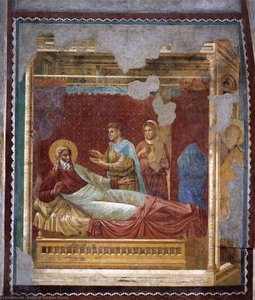
基本情報
- Artistic Movement Or Style: Gothic art
- Date Of Death: Living
- Full Name: Master of the Isaac Stories
- Notable Artworks:
- Isaac Rejecting Esau
- The Doctors of the Church (detail)
関連記事

家族の遺産を壁画で彩る:伝統技法が紡ぐ、時を超越する美と記憶
古代から現代までの壁画の歴史と技法を解説。日本の壁画文化やカスタムオーダーによる家族の遺産表現、保存・修復技術まで網羅。専門家が時を超越する美と記憶を紡ぐ芸術的価値をご案内します。

The Enduring Legacy of Fresco Painting: Techniques, History & Contemporary Relevance
Explore the rich history & enduring artistry of fresco painting – from Giotto to Michelangelo! Discover techniques, conservation efforts, & modern applications. Learn how ArtsDot brings this timeless art form to your home.

The Enduring Legacy of Fresco: Technique, History & Artistic Expression Across Cultures
Explore the rich history & enduring legacy of fresco painting! Discover ancient techniques, Giotto's masterpieces, and modern applications. Expert insights for art lovers & professionals.
Art That Lives With You: The Emotional Power of a Custom Interior Fresco
Discover the emotional power & timeless beauty of custom interior frescoes. Explore history, design tips & expert guidance from – creating lasting legacies.
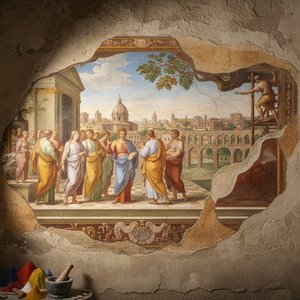
The Enduring Legacy of Fresco: Technique, History & Artistic Expression
Explore the rich history & enduring artistry of fresco painting. Discover techniques from Giotto to Michelangelo, conservation efforts, & modern applications. Learn how ArtsDot brings this timeless art form to your home.