

 プレビュー
プレビュー
 プリントを購入
 シェアする
シェアする シェアする
シェアする
 詳細を見る
詳細を見る

 ダウンロード
 似ている作品
 X線調査
X線調査 スライドショー
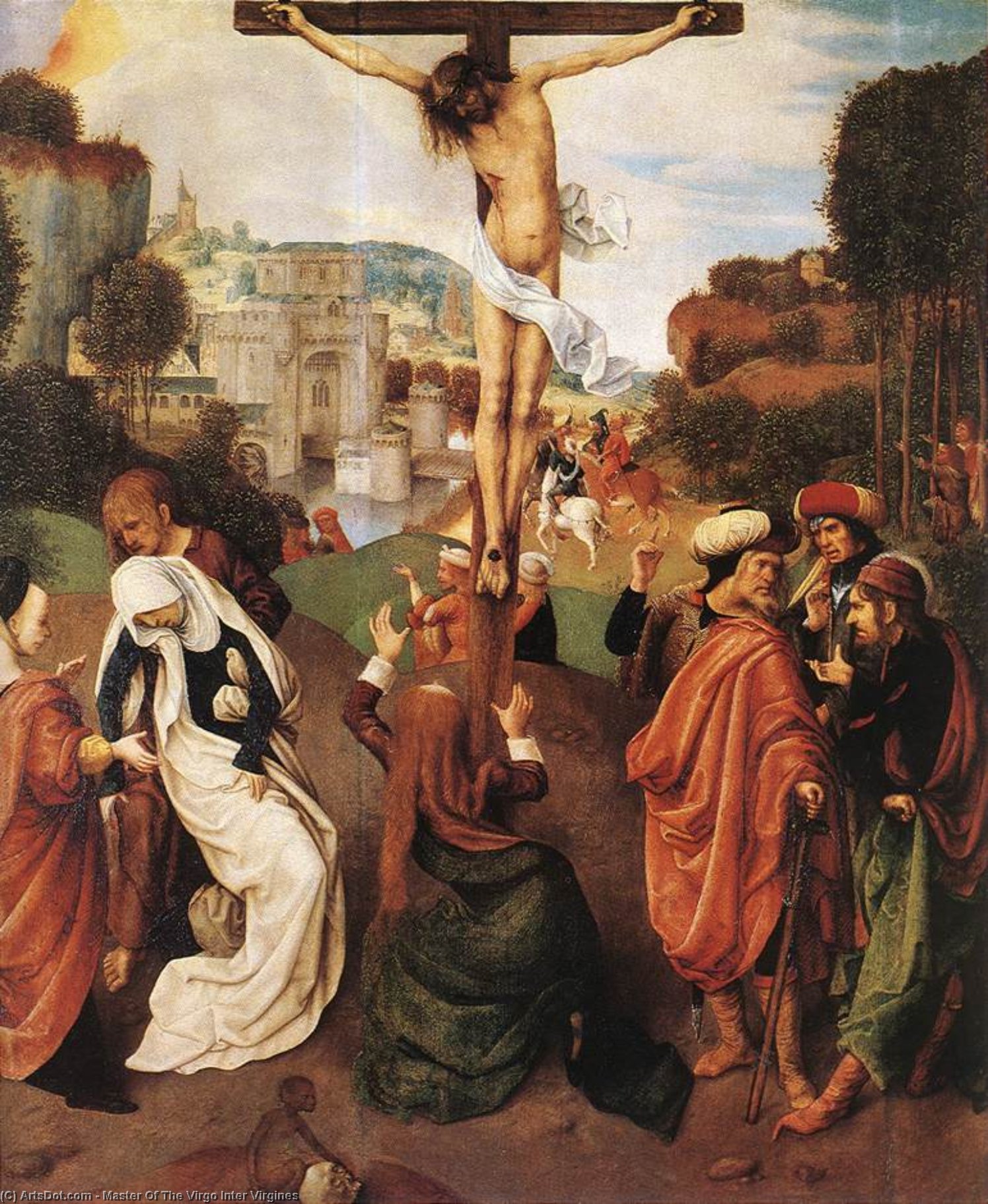
Crucifixion
 Oil On Canvas
- WallArt
- Northern Renaissance
 1490
1490- Renaissance
 57.0 x 47.0 cm
 ウフィツィ美術館
 詳細を見る
詳細を見る
オンラインプレビューをはるかに凌ぐ、高解像度で鮮明なデジタル画像をご購入いただけます。
各ファイルは、社内の専門家が高度なツールと熟練した手作業によるレタッチを用いて、細心の注意を払って準備されています。すべての画像において、卓越した鮮明度、正確な色彩再現性、そして繊細なディテールを保証いたします。
最終ファイルは、プロフェッショナルな編集・印刷環境ですぐにご利用いただけるよう最適化された状態で、72時間以内にメールにてお届けいたします。これは、一流のデザインスタジオ、出版社、ギャラリーから信頼されているものと同等の品質です。
デジタル画像のご注文に付随する特典
高品質なデジタル画像配信を、確かな品質で。
ArtsDot.com を選ぶことは、単に画像を手に入れることではありません。それは、プロの手によって精密に仕上げられ、満足保証が付いた高品質なデジタルアートワークを受け取ることを意味します。ご注文いただいた際に自動的に付随する内容は、以下の通りです:

メールですぐにお届け
ご注文から72時間以内に、高解像度のデジタル画像ファイルがメールでお手元に届きます。すぐにそのままご利用いただけます。

AI技術で最適化されたデジタルファイル
お客様の作品は、高度なAIツールと専門家による手作業の編集を組み合わせてプロフェッショナルに最適化されており、細部のディテール、鮮明さ、そして正確な色再現性を最大限に引き出しています。

一生涯無料の再送サービス
ファイルを誤って削除したり、紛失してしまったりしましたか?ご安心ください。いつでも無料で再送いたします。

輸入手数料は一切かかりません
関税や手数料、配送料を気にすることなく、お気に入りのアートワークをすぐにお楽しみいただけます。デジタルダウンロードは常に免税です。

色彩再現の保証
プロ仕様のツールとカラーマネジメント技術を用いることで、デジタル画像が元の色を最大限に忠実に再現することを保証いたします。

60日間満足保証
ご購入いただいたデジタル画像にご満足いただけない場合は、60日以内であれば、修正または100%の返金(理由を問う必要はありません)をさせていただきます。

100% 返金保証
ご満足いただけない場合は、デジタルファイルを受け取ってから60日以内であれば、理由を問わず全額返金いたします。

まとめ買い割引
3枚購入で10%OFF - 5枚購入で15%OFF - 10枚以上購入で20%OFF。クリエイティブなプロジェクト、ギャラリー、エージェンシーに最適です。
作品の詳細
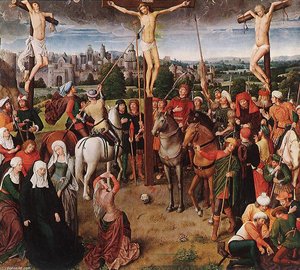
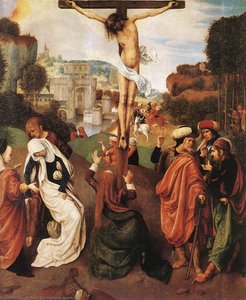
The Weight of Sacrifice: Contemplating the Crucifixion
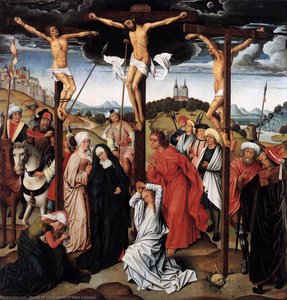
To stand before this depiction of the Crucifixion is to confront humanity at its most profound moment of reckoning. The canvas captures not merely an event, but an eternal state—the ultimate sacrifice rendered with breathtaking gravity. At the heart of the composition hangs the figure of Christ, his outstretched arms forming a poignant geometry against the somber backdrop. One can almost feel the weight of the wood and the immense suffering etched into every visible line of his body. The artist, working in the charged atmosphere of 1490, has managed to distill unimaginable pain into a visual narrative that speaks across centuries.
Mastery of Somber Realism
The technique employed here speaks volumes about the skill of the Master of the Virgo inter Virgines. While his name is often associated with other works, this piece showcases an astonishing commitment to realism, characteristic of the burgeoning Netherlandish School. Observe the handling of the flesh tones; they are not idealized but deeply human, conveying a palpable sense of suffering and physical strain. The surrounding figures—the mourners, the onlookers—are rendered with careful attention to gesture. Their postures suggest a spectrum of reactions: from profound grief to detached contemplation. This masterful use of peripheral figures serves to amplify the central drama, drawing the viewer inexorably toward the core tragedy.
Symbolism and Emotional Resonance
This work is steeped in potent Christian symbolism. The cross itself transcends its function as an instrument of death; it becomes a monumental symbol of redemption and enduring love. The somber palette—deep earth tones, muted blues, and the stark contrast of pale skin against dark wood—contributes to an atmosphere that is intensely meditative. For the collector or decorator, this piece offers more than mere decoration; it provides a focal point for quiet reflection. It invites the viewer into a space of contemplation, transforming any room it graces into a sanctuary of profound thought.
A Timeless Echo in Art Collecting
Acquiring a reproduction of this 1490 masterpiece is to bring home a piece of history imbued with unparalleled emotional weight. The Master’s ability to blend technical virtuosity with raw, accessible emotion makes this subject eternally compelling. Whether placed above an altar, within a formal drawing-room, or in a gallery setting, the Crucifixion commands attention through its sheer narrative power. It is a work that does not whisper; it resonates, demanding that the viewer pause, breathe deeply, and consider the enduring themes of suffering, devotion, and ultimate grace.
関連作品


作家の略歴
The Enigmatic Master of the Virgo Inter Virgines
The Master of the Virgo inter Virgines remains one of the most elusive figures in fifteenth-century Netherlandish art, a painter whose identity has stubbornly resisted definitive attribution despite decades of scholarly investigation. His name derives from an iconic altarpiece housed in Amsterdam’s Rijksmuseum – *The Virgin and Child with Four Holy Virgins*, completed around 1490 – a work that immediately established him as a pioneer of realism within the burgeoning Dutch School, marking a decisive break from the prevailing Mannerist tendencies prevalent across Europe. Despite numerous attempts to pinpoint his origins and trace his artistic lineage, his true identity continues to elude researchers, cementing his place as a shadowy presence in art history.- Early Life & Artistic Training: Precise biographical details concerning the Master’s formative years are scarce. Evidence suggests he was born sometime around 1460/65, likely in Delft, though definitive documentation is lacking. His artistic training remains shrouded in mystery, with speculation centering on influences from Ghent – specifically Hugo van der Goes and Dirk Bouts – whose expressive figures profoundly impacted his stylistic approach.
- The Virgo Inter Virgines Altarpiece: This monumental panel constitutes the cornerstone of our understanding of the Master’s oeuvre. Executed circa 1490, it exemplifies his uncompromising commitment to naturalism, eschewing decorative embellishments in favor of stark realism and conveying profound emotional depth through masterful use of color and composition. The altarpiece's dramatic depiction of Christ’s Passion – featuring a crucified figure surrounded by grieving Mary and saints – showcases the Master’s unparalleled skill in capturing human emotion and anatomical accuracy.
- A Corpus of Diverse Works: Beyond *The Virgin and Child*, the Master produced approximately twenty paintings, demonstrating remarkable versatility across genres and subjects. These include depictions of biblical scenes—such as *The Crucifixion* (Bowes Museum) and *The Entombment* (Walker Art Gallery)—as well as portraits and landscapes. Notably, he collaborated extensively with engravers, producing numerous woodcuts for publications that circulated throughout Europe during his lifetime.
- Delft & The Dutch School: The Master’s workshop was centered in Delft, a city undergoing rapid urbanization and artistic transformation during the late fifteenth century. He stands as one of the foremost representatives of the nascent Dutch School, which distinguished itself from its continental counterparts by prioritizing naturalistic observation and rejecting Mannerist conventions—such as stylized drapery and artificial perspective—in favor of clarity and emotional sincerity.
- Legacy & Influence: The Master’s stylistic innovations profoundly shaped the trajectory of Netherlandish painting in subsequent decades. His unwavering dedication to realism served as a catalyst for artistic experimentation and established him as a precursor to generations of artists who would champion naturalism as the highest form of artistic expression. Though his identity remains elusive, his enduring legacy continues to inspire admiration and scholarly debate—a testament to the power of art to transcend time and captivate audiences across centuries.
- Kren, Rudolf & Marx, Norbert. “Fifteenth-century Netherlandish painting at the Museo Nacional del Prado.” Museo del Prado, 2024, p. 284.
プロフィール概要
- Artistic Movement Or Style: Realism
- Artists Or Movements Influenced By This Artist: ['Dutch School']
- Artists Who Influenced This Artist:
- Hugo van der Goes
- Geertgen tot Sint Jans
- Full Name: Master of the Virgo inter Virgines
- Nationality: Dutch
- Notable Artworks:
- Virgin and Child with Sts Catherine, Cecilia, Barbara, and Ursula
- Crucifixion
- Place Of Birth: Delft

