

 プレビュー
プレビュー
 プリントを購入
 シェアする
シェアする シェアする
シェアする
 詳細を見る
詳細を見る

 ダウンロード
 似ている作品
 X線調査
X線調査 スライドショー
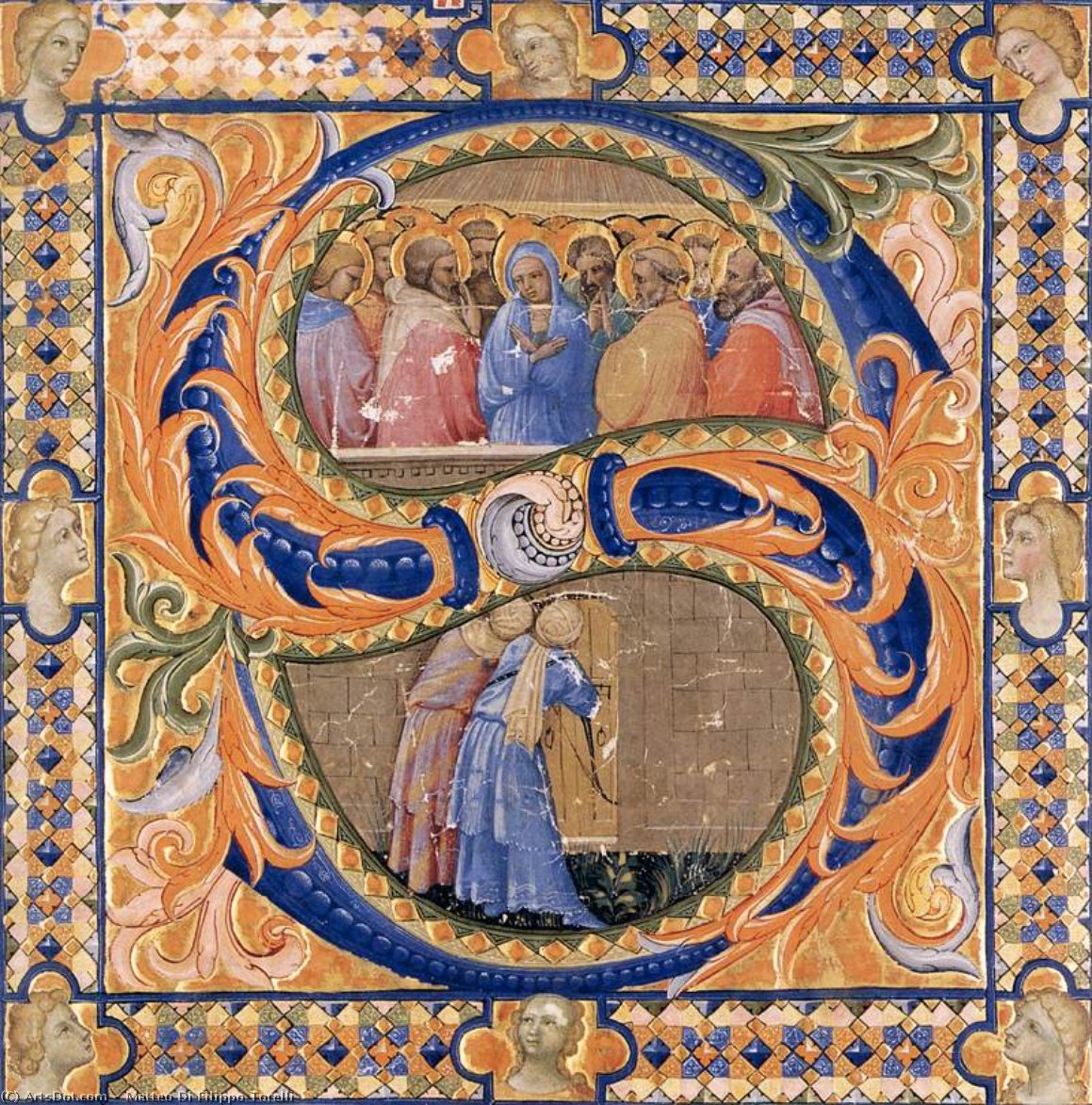
Gradual (Cod. H 74, folio 122v)
 Oil On Canvas
- WallArt
- Renaissance
 1413
1413- Renaissance
 248.0 x 237.0 cm
 デトロイト美術館
 詳細を見る
詳細を見る




P118B $10

P118H $10

P118W $10

P438Z $10

P508JH $12

P508YH $12

P805H $10

P805Z $10

P919BZ $10

P919G $10

P919XJ $10

P959ZH $10

P968JZ $12

W106C $8

W218G $10

W218JH $8

W218Y $10

W307PJ $10

W316G $10

W316PJ $8

W316Y $10

W398PJ $8

W4111J $10

W500HY $15

W500JH $15

W692G $12

W849H $8

W940BG $15

W953PJ $8




作品のオリジナル比率に合わせた、当店の規定サイズからお選びください。

特定のフレームやスペースに合わせて、ご希望のサイズをご入力いただけます。選択されたサイズが元の画像の比率と異なる場合、アートワークをトリミングするか、手描きで要素を追加して絵画を拡張いたします。デジタルモックアップ を制作し、制作開始前にご確認(承認)をいただきます。
画面上のプレビューは、実際のトリミングや拡張を正確に反映しているものではありません。最終的な構図は、モックアップによってのみ正確にご確認いただけます。
カスタムサイズもご利用いただけますが、元の比率を維持するためには、あらかじめ用意されたリストからサイズを選択することをお勧めいたします。
ご注文後、ArtsDot.com チームより詳細な指示をお送りするとともに、仕上がりイメージ(モックアップ)をご提供いたします。


 ガラスオプションは、110cm未満のサイズでのみご利用いただけます。

Gradual (Cod. H 74, folio 122v)
複製技法
複製画のサイズ
-


合計金額
$ 263
作品解説
A Tapestry of Human Connection: Exploring Gradual
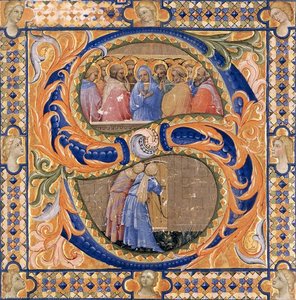
To stand before Gradual (Cod. H 74, folio 122v) is to step directly into the vibrant heart of the early Quattrocento. This monumental painting, executed by Matteo di Filippo Torelli in 1413, is far more than a mere depiction of figures gathered in a room; it is a profound meditation on community, conversation, and the enduring human need for connection. The sheer density of life captured within its frame—at least thirteen individuals interacting with palpable energy—draws the viewer into an intimate, bustling tableau. Torelli masterfully orchestrates this gathering, ensuring that no single face or gesture feels incidental; every person contributes to a rich, interwoven narrative tapestry.
Mastery in Color and Composition
The visual impact of Gradual is immediately arresting, largely due to the painter's sophisticated handling of color. The dominant interplay between deep blues and warm oranges bathes the scene in an almost incandescent glow, lending the entire composition a vibrant yet deeply resonant warmth. Torelli’s technique allows these colors not just to sit side-by-side, but to interact, suggesting the emotional spectrum of the group itself. Observe how the light seems to emanate from within the gathering, highlighting the folds of richly rendered garments and catching the subtle expressions on the faces. This careful deployment of color elevates the piece beyond simple portraiture into something bordering on the sublime.
Historical Echoes: The Renaissance Spirit
Created in 1413, this work sits at a fascinating crossroads in art history. While Torelli’s biography hints at influences from earlier masters like Lorenzo Monaco, the energy pulsating through Gradual speaks to the burgeoning confidence and intellectual curiosity of the early Italian Renaissance. It captures that pivotal moment when medieval formality began yielding to humanist ideals—a shift reflected not only in philosophy but in the very way people were depicted: engaged, thoughtful, and self-possessed. For those who appreciate art that bridges historical epochs, this painting offers a tangible link to the dawn of modern artistic expression.
Symbolism of Gathering and Community
The subject matter itself—a group gathered together—carries potent symbolic weight. In an age increasingly focused on individual genius, Torelli reminds us of the power inherent in collective experience. The interactions depicted suggest dialogues spanning theology, commerce, or personal affection; they are moments suspended in time. This sense of shared humanity resonates deeply with contemporary sensibilities, making the painting emotionally immediate. It speaks to the enduring value of patronage, conversation, and belonging—themes that continue to resonate whether viewed in a grand gallery hall or brought into the warmth of a modern collector's home.
Bringing the Masterpiece Home
For the discerning collector or designer seeking an anchor piece for a sophisticated interior, Gradual offers unparalleled depth. Reproductions allow admirers to incorporate this monumental vision—its vibrant blues and oranges, its complex narrative energy—into their own curated spaces without the logistical demands of owning such a large-scale original. Owning a reproduction is not merely acquiring art; it is curating an atmosphere steeped in Renaissance vitality, inviting conversation, and celebrating the enduring beauty of human connection.
関連作品


アーティストの略歴
The Luminous Legacy of Matteo di Filippo Torelli
To encounter the work of Matteo di Filippo Torelli is to step through a portal into the vibrant, transitional heart of the early Quattrocento. Born around 1365, Torelli lived during an era of profound metamorphosis, where the rigid, formal structures of medieval tradition began to yield to the burgeoning humanist ideals of the Italian Renaissance. While the biographical shadows surrounding his life remain somewhat dense, his artistic presence is undeniably luminous. His career was shaped by a period of significant cultural transformation, a movement fueled by the intellectual curiosity that would eventually redefine Western art. Though often associated with the stylistic shifts seen in the works of figures like Lorenzo Monaco, Torelli carved out a unique niche, blending the spiritual gravity of Byzantine influences with an emerging dedication to realism and expressive symbolism.
The foundations of his mastery were likely laid in Bologna, where he is believed to have studied under the renowned Lorenzo Monaco. This apprenticeship was instrumental in honing Torelli’s meticulous attention to detail and his ability to imbue religious subjects with a palpable sense of life. From Monaco, he inherited a sophisticated approach to color and a talent for creating compositions that felt both sacred and deeply human. This training allowed him to navigate the delicate balance between the decorative elegance of manuscript illumination and the monumental ambitions of fresco painting, making him a versatile force in the artistic landscape of his time.
A Master of Light and Connection
Torelli’s true genius is perhaps most breathtakingly realized in his work as an illuminator, where he transformed parchment into windows of profound human connection. His 1413 masterpiece, Gradual (Cod. H 74, folio 122v), serves as a definitive testament to his ability to orchestrate complex narratives within a confined space. In this work, the artist does not merely depict figures; he captures a bustling, energetic tableau of at least thirteen individuals interacting with an intimacy that feels startlingly modern. Through a masterful interplay of deep blues and warm oranges, Torelli bathes his subjects in an incandescent glow, suggesting that the light itself emanates from the very spirit of the gathering.
Beyond the grand narratives, Torelli possessed an extraordinary ability to find wonder in the minute and the grotesque. His decorative borders and individual miniatures—such as his Grotesque Bird With Human Head or his delicate depictions of zoomorphic foliage—reveal an artist fascinated by the boundaries between the natural and the fantastical. These intricate designs, often characterized by rich symbolism and exquisite draughtsmanship, demonstrate a level of technical prowess that commanded the attention of the era's most prestigious patrons. His work was not merely ornamental; it was a sophisticated language of symbols designed to provoke thought and inspire devotion.
Patronage and Historical Significance
The trajectory of Torelli’s career was significantly propelled by the support of wealthy Sicilian patrons, most notably the Aragonese royal family. These powerful figures recognized in him a talent capable of reflecting their own grandeur and piety. This patronage led to some of his most monumental achievements, including the magnificent frescoes that adorn the Cappella Palatina in Palermo. In these works, particularly his depiction of Saint Michael Archangel, Torelli achieved a level of sophistication that exemplifies the splendor of what is often celebrated as the Sicilian Baroque influence within the broader Renaissance movement.
The historical significance of Matteo di Filippo Torelli lies in his role as a bridge between eras. He stood at the crossroads where the stylized, symbolic world of the Middle Ages met the observational, human-centric world of the Renaissance. His ability to synthesize these disparate styles—the Byzantine, the Gothic, and the early Humanist—ensured that his work remained both spiritually resonant and visually innovative. Today, his legacy survives not only in the surviving manuscripts and frescoes but in the very spirit of artistic evolution he helped to embody, reminding us of a time when art began to truly capture the pulse of human connection.
matteo di filippo torelli
1365 - 1442
基本情報
- Artistic Movement Or Style: Sicilian Baroque Art
- Artists Or Movements Influenced By This Artist: ['Renaissance']
- Artists Who Influenced This Artist: ['Filippo Lippi']
- Date Of Death: 1442
- Full Name: Matteo di Filippo Torelli
- Nationality: Italian
- Notable Artworks: ['Grotesque Bird With Human Head']
- Place Of Birth: Pisa
関連記事

Slate Blue Masterpieces: 10 Iconic Paintings & Timeless Home Decor Ideas
Immerse yourself in the captivating world of slate blue! Explore 10 iconic paintings by Monet, Van Gogh & Renoir. Discover their stories, techniques & find museum-quality art reproductions for your home at .

バロックのドラマ:現代のインテリアに壮麗さと情感を取り込む
バロック様式の歴史、絵画、家具の魅力をご紹介。ArtsDotでは、高品質な油絵複製やカスタムポートレートをご提供し、現代のインテリアに壮麗さと情感を取り入れます。アートコンサルテーションも承ります。

The Allure of Azure: Exploring the Symbolic & Aesthetic Depths of Blue in Art History
Explore the rich history of blue in art! Discover its symbolism, from ancient pigments to modern masterpieces by Kandinsky & Seurat. Uncover the psychological impact and cultural meanings behind this captivating hue.

バロック美術を極めた至宝:時代を彩る10大名作の世界
バロック美術の華!カラヴァッジョ、ベルニーニら巨匠が創り上げた10大名作を徹底解剖。ドラマチックな色彩と豪華絢爛の世界観に触れ、至宝のアートプリントで空間を彩ろう。ArtsDot.comで美術館品質の複製と洗練されたインテリアを見つけましょう!

The Enduring Power of Painting: A Historical & Contemporary Exploration of Form and Emotion
Explore the rich history & enduring techniques of oil painting with ArtsDot. Discover masterpieces, learn about art collecting, and find authentic handmade reproductions crafted by skilled artists.

