

 プレビュー
プレビュー
 プリントを購入
 シェアする
シェアする シェアする
シェアする
 詳細を見る
詳細を見る

 ダウンロード
 似ている作品
 X線調査
X線調査 スライドショー
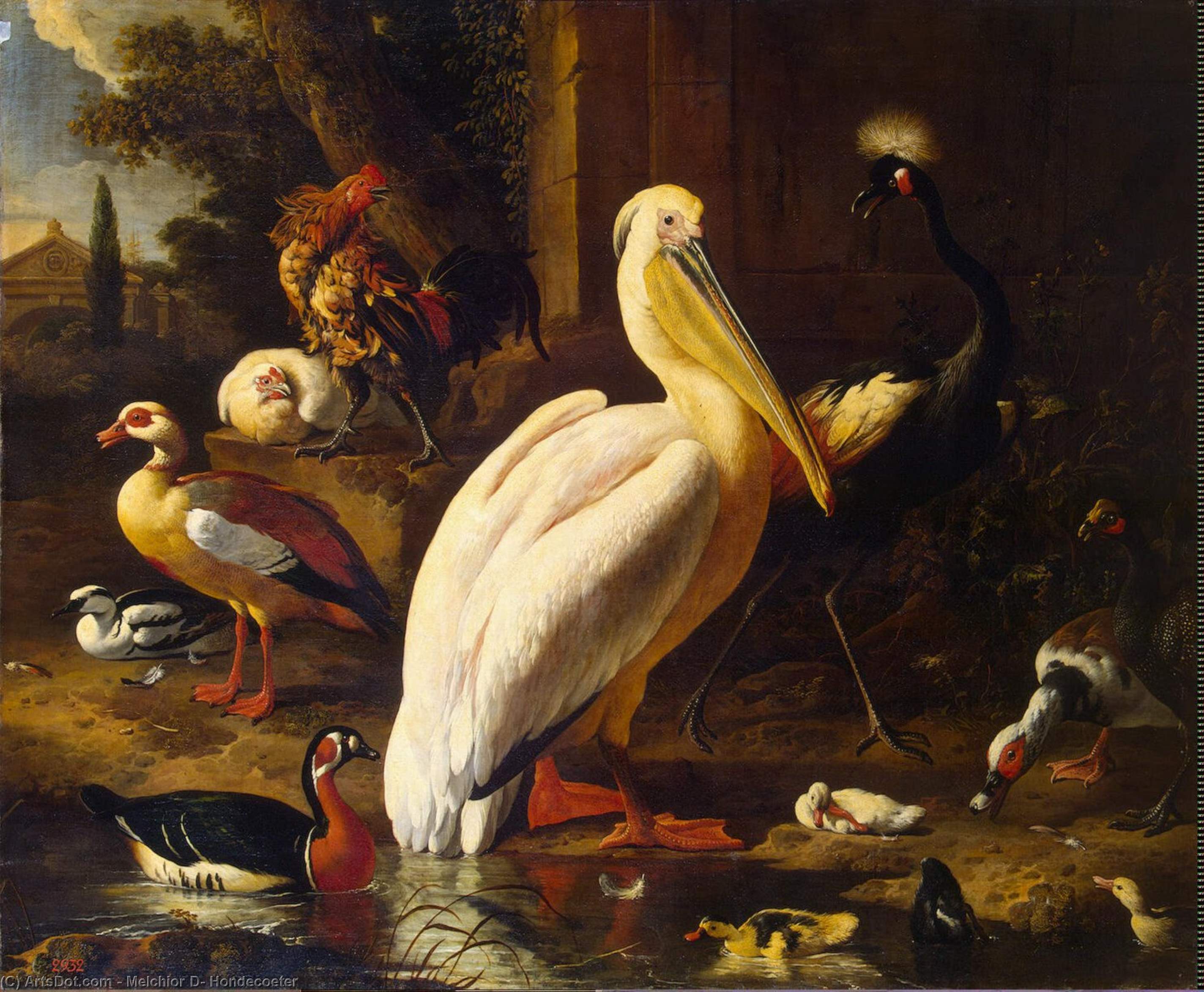
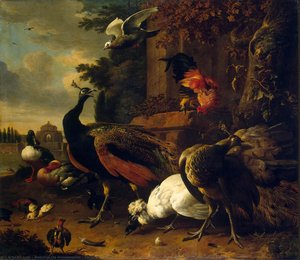
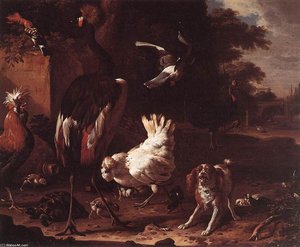
Birds in a Park
 Acrylic On Canvas
- WallArt
- Baroque
 1686
1686 135.0 x 155.0 cm
 エルミタージュ美術館
 詳細を見る
詳細を見る
オンラインプレビューをはるかに凌ぐ、高解像度で鮮明なデジタル画像をご購入いただけます。
各ファイルは、社内の専門家が高度なツールと熟練した手作業によるレタッチを用いて、細心の注意を払って準備されています。すべての画像において、卓越した鮮明度、正確な色彩再現性、そして繊細なディテールを保証いたします。
最終ファイルは、プロフェッショナルな編集・印刷環境ですぐにご利用いただけるよう最適化された状態で、72時間以内にメールにてお届けいたします。これは、一流のデザインスタジオ、出版社、ギャラリーから信頼されているものと同等の品質です。
デジタル画像のご注文に付随する特典
高品質なデジタル画像配信を、確かな品質で。
ArtsDot.com を選ぶことは、単に画像を手に入れることではありません。それは、プロの手によって精密に仕上げられ、満足保証が付いた高品質なデジタルアートワークを受け取ることを意味します。ご注文いただいた際に自動的に付随する内容は、以下の通りです:

メールですぐにお届け
ご注文から72時間以内に、高解像度のデジタル画像ファイルがメールでお手元に届きます。すぐにそのままご利用いただけます。

AI技術で最適化されたデジタルファイル
お客様の作品は、高度なAIツールと専門家による手作業の編集を組み合わせてプロフェッショナルに最適化されており、細部のディテール、鮮明さ、そして正確な色再現性を最大限に引き出しています。

一生涯無料の再送サービス
ファイルを誤って削除したり、紛失してしまったりしましたか?ご安心ください。いつでも無料で再送いたします。

輸入手数料は一切かかりません
関税や手数料、配送料を気にすることなく、お気に入りのアートワークをすぐにお楽しみいただけます。デジタルダウンロードは常に免税です。

色彩再現の保証
プロ仕様のツールとカラーマネジメント技術を用いることで、デジタル画像が元の色を最大限に忠実に再現することを保証いたします。

60日間満足保証
ご購入いただいたデジタル画像にご満足いただけない場合は、60日以内であれば、修正または100%の返金(理由を問う必要はありません)をさせていただきます。

100% 返金保証
ご満足いただけない場合は、デジタルファイルを受け取ってから60日以内であれば、理由を問わず全額返金いたします。

まとめ買い割引
3枚購入で10%OFF - 5枚購入で15%OFF - 10枚以上購入で20%OFF。クリエイティブなプロジェクト、ギャラリー、エージェンシーに最適です。
作品の詳細
A Baroque Symphony of Flight: Melchior de Hondecoetter’s “Birds in a Park”
Melchior de Hondecoetter's "Birds in a Park," painted in 1686, isn’t merely a depiction of avian life; it’s a meticulously crafted window into the opulent world of Dutch Golden Age art and a testament to the artist’s extraordinary skill. This captivating scene, now faithfully reproduced as a stunning canvas print by ArtsDot.com, transports the viewer to a serene park setting teeming with an astonishing array of birds – ducks gliding across a tranquil pond, geese paddling alongside, and a vibrant peacock displaying its magnificent plumage. The painting's enduring appeal lies not just in its technical brilliance but also in the palpable sense of tranquility and natural beauty it evokes.
Hondecoetter’s mastery is immediately evident in his painstaking attention to detail. Each bird is rendered with an almost photographic realism, capturing their individual postures, plumage textures, and subtle expressions. The artist's use of light and shadow creates a remarkable sense of depth and volume, drawing the eye into the heart of the composition. Notice how the dappled sunlight filters through the trees, illuminating the birds and casting intricate patterns on the ground – a testament to Hondecoetter’s deep understanding of atmospheric perspective. The inclusion of the dog adds an unexpected element of domesticity, grounding the scene in a familiar human context while simultaneously enhancing the sense of observation and intimacy.
A Masterclass in Baroque Technique
“Birds in a Park” exemplifies the hallmarks of the Baroque style – a dramatic use of light, rich colors, and dynamic composition. Hondecoetter employed a technique known as ‘grisaille,’ utilizing shades of gray to build up the forms and values before adding color. This approach allowed him to achieve an unparalleled level of realism and control over the painting’s overall mood. The layering of glazes – thin, transparent washes of paint applied in multiple layers – creates a luminous quality that seems to emanate from within the canvas. The brushwork is remarkably delicate, almost invisible in places, contributing to the painting's smooth and polished surface.
Furthermore, Hondecoetter’s choice of subject matter—the observation of birds in their natural habitat—was a relatively novel approach at the time. While animal paintings were certainly produced before, Hondecoetter elevated them to an art form, demonstrating a profound respect for the beauty and complexity of the natural world. This fascination with nature was a defining characteristic of the Dutch Golden Age, reflecting a growing interest in scientific observation and a desire to capture the wonders of the outside world.
Symbolism and Context within Dutch Society
Beyond its aesthetic qualities, “Birds in a Park” offers valuable insights into the cultural values of 17th-century Holland. Birds were frequently depicted in art as symbols of freedom, beauty, and prosperity – attributes highly prized by the wealthy merchant class who dominated Dutch society. The presence of exotic birds like the peacock suggests an appreciation for luxury and foreign cultures, reflecting the Netherlands’ role as a major trading hub. The park itself represents a carefully cultivated landscape—a miniature world designed to provide pleasure and respite from the demands of urban life.
Melchior de Hondecoetter's biography reveals a man deeply connected to Utrecht, his birthplace, and a significant figure in the artistic community of that era. His dedication to capturing the nuances of avian forms speaks volumes about his meticulous approach and profound understanding of animal anatomy. The painting’s creation coincided with a period of immense prosperity for the Dutch Republic, fostering an environment where art flourished and artists like Hondecoetter could dedicate themselves to their craft.
Bringing “Birds in a Park” into Your Space
ArtsDot.com offers exceptional reproductions of "Birds in a Park," allowing you to bring this Baroque masterpiece into your home or office. The high-quality canvas prints capture the painting’s original luminosity and detail, while the carefully selected framing options complement its elegant aesthetic. Whether you're an art collector, interior designer, or simply someone who appreciates beauty, this reproduction is a stunning addition to any space – a timeless reminder of the artistry and tranquility captured by Melchior de Hondecoetter over three centuries ago.
Useful Links:
関連作品
![Vida De Miguel De Cervantes Saavedra (life Of Miguel De Cervantes Saavedra). Book V Of The Edition Of Don Quixote (biblioteca Nacional De España)\n\n[7] — Martín Fernández De Navarrete Y Ximénez De Tejada, Academic Art](/media/artworks/images-thumb/8c/b6/8cb67a4dd450447373a546c8dd039e57.jpg)
作家の略歴
The Avian Majesty of Melchior de Hondecoeter
In the golden twilight of the Dutch Golden Age, few artists captured the vibrant pulse of the natural world as vividly as Melchior de Hondecoeter. A master of the Baroque era, his brush possessed a rare alchemy, capable of transforming mere pigment into the iridescent sheen of a peacock’s plume or the delicate, translucent down of a songbird. Born in Utrecht around 1636, Hondecoetter emerged not merely as a painter of animals, but as a storyteller of the exotic and the magnificent. His work serves as a window into a century defined by global exploration, where the arrival of rare species from distant lands ignited a profound fascination with the wonders of the natural order.
The foundation of his extraordinary talent was laid through rigorous discipline and an unwavering commitment to anatomical truth. Apprenticeship under the esteemed Willem van Royen provided him with the technical scaffolding necessary to master the complexities of light and shadow. Yet, Hondecoetter’s genius lay in his ability to transcend mere scientific documentation. While he approached his subjects with the precision of a naturalist—studying musculature and skeletal structure with almost clinical devotion—he infused every composition with a theatrical energy characteristic of the Baroque movement. His canvases are never static; they are stages where birds interact, preen, and take flight amidst lush, atmospheric landscapes.
A Symphony of Color and Motion
To gaze upon a Hondecoeter masterpiece is to experience a sensory deluge. He rejected the muted, somber palettes that often characterized much of Dutch genre painting, opting instead for a bold, expressive use of color that commands the viewer's attention. His technique was a sophisticated balance of precise observation and expressive bravura. Through masterful rendering of texture, he could differentiate between the heavy, waxy surface of a waterfowl’s wing and the soft, airy lightness of a forest dweller. This tactile quality creates an immersive experience, pulling the observer into a world where the rustle of feathers feels almost audible.
The development of his style saw him move toward increasingly complex and dynamic compositions. He became renowned for his ability to arrange multiple subjects within a single frame, creating a sense of organized chaos that mirrors the untamed beauty of nature. These works often featured:
- Exoticism: The inclusion of rare, brightly colored birds that symbolized wealth, discovery, and the expanding horizons of the Dutch Republic.
- Dramatic Lighting: A use of chiaroscuro that highlighted the intricate details of plumage while casting deep, mysterious shadows in the surrounding foliage.
- Narrative Depth: Scenes that suggested a larger story, whether it be a moment of predatory tension or a peaceful interlude in a sun-drenched garden.
Legacy and Historical Significance
Melchior de Hondecoeter’s influence extended far beyond the borders of the Netherlands. As an animalier, he helped establish a specialized genre that would captivate collectors across Europe, from the courts of kings to the homes of wealthy merchants. His ability to marry scientific accuracy with high art ensured that his work was valued both for its aesthetic splendor and its contribution to the era's burgeoning interest in natural history.
Though his life ended in 1695, his artistic footprint remains indelible. He did not simply paint birds; he elevated them to subjects of profound dignity and drama. In an age of discovery, Hondecoeter acted as a visual chronicler of the earth's splendor, leaving behind a legacy of canvases that continue to breathe with life, color, and an eternal sense of wonder. His work remains a testament to the power of art to bridge the gap between the observed world and the human imagination.
melchior de hondecoetter
1636 - 1695
プロフィール概要
- Artistic Movement Or Style: Baroque
- Artists Or Movements Influenced By This Artist: ['William Hendrik Wilhemus van Royen']
- Artists Who Influenced This Artist: ['None Known']
- Date Of Death: 1695
- Full Name: Melchior de Hondecoetter
- Nationality: Dutch
- Notable Artworks:
- A Cock
- The Menagerie
- Birds, Butterflies and a Frog Among Plants and Fungi
- Place Of Birth: Utrecht, Netherlands

