

 プレビュー
プレビュー
 プリントを購入
 シェアする
シェアする シェアする
シェアする
 詳細を見る
詳細を見る

 ダウンロード
 似ている作品
 X線調査
X線調査 スライドショー
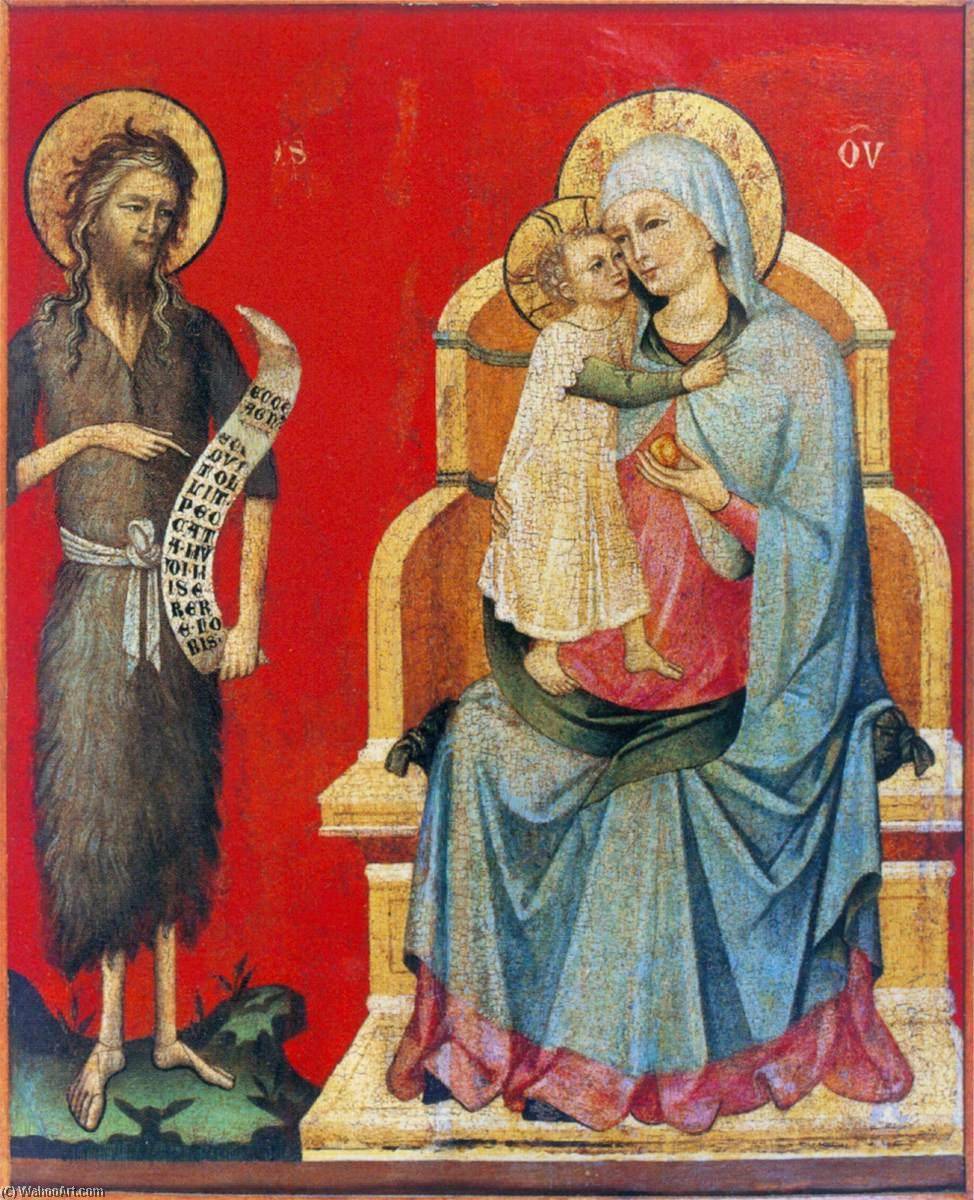
The Virgin and Child with St John the Baptist
 Early Renaissance
 1418
1418 108.0 x 85.0 cm
 詳細を見る
詳細を見る




































作品のオリジナル比率に合わせた、当店の規定サイズからお選びください。

特定のフレームやスペースに合わせて、ご希望のサイズをご入力いただけます。選択されたサイズが元の画像の比率と異なる場合、アートワークをトリミングするか、手描きで要素を追加して絵画を拡張いたします。デジタルモックアップ を制作し、制作開始前にご確認(承認)をいただきます。
画面上のプレビューは、実際のトリミングや拡張を正確に反映しているものではありません。最終的な構図は、モックアップによってのみ正確にご確認いただけます。
カスタムサイズもご利用いただけますが、元の比率を維持するためには、あらかじめ用意されたリストからサイズを選択することをお勧めいたします。
ご注文後、ArtsDot.com チームより詳細な指示をお送りするとともに、仕上がりイメージ(モックアップ)をご提供いたします。


 ガラスオプションは、110cm未満のサイズでのみご利用いただけます。

The Virgin and Child with St John the Baptist
複製技法
複製画のサイズ
-


合計金額
$ 288
関連作品
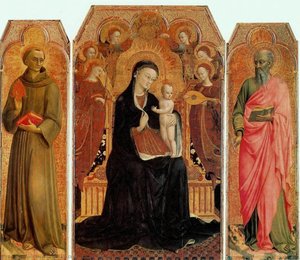
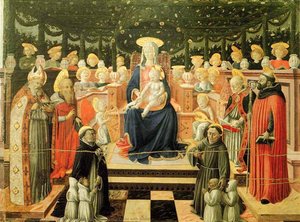
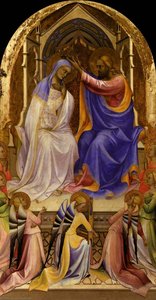
アーティストの略歴
A Master of Light and Devotion: The Legacy of Meneghello di Giovanni de' Canali
In the golden twilight of the Middle Ages, as the rigid structures of the Byzantine tradition began to soften under the burgeoning warmth of the Italian Renaissance, there emerged a painter whose life was etched into the very archives of history. Meneghello di Giovanni de' Canali, a name that resonates with the salt of the Adriatic and the grandeur of Venice, stands as one of the most meticulously documented figures of his era. Though his precise origins remain shrouded in the mists of the late fourteenth century, evidence suggests a man deeply connected to both Dalmatia—likely the city of Zadar—and the vibrant artistic pulse of Venice. His career, spanning the years between 1383 and 1427, represents a pivotal moment in art history, where the spiritual gravity of the medieval world met the burgeoning humanism of the Quattrocento.
The life of de' Canali was one of movement and profound craftsmanship. Moving to Venice around 1405, he immersed himself in an environment of unparalleled artistic fervor. While much of his early training remains a subject of scholarly debate, his work whispers of influences that bridged the gap between the old world and the new. One can sense the echoes of masters like Andrea Mantegna and Giovanni Bellini in his ability to command space and light. His presence in Zadar was equally significant; he was not merely a painter but a designer of legacies, having even designed the tomb for the Archbishop Nikola Matafar. This duality—the itinerant craftsman and the established master—allowed him to weave a stylistic tapestry that blended the iconographic strength of the East with the emerging realism of the West.
The Alchemy of Color and Sacred Narrative
To gaze upon a work by de' Canali is to witness a masterful command of tempera on panel. His technique was characterized by an almost miraculous sensitivity to texture and a luminous color palette that seemed to radiate from within the wood itself. He utilized subtle gradations of tone to breathe life into sacred figures, creating a sense of volume that was revolutionary for his time. This meticulous rendering allowed him to capture the heavy folds of liturgical garments and the soft, ethereal glow of divine light, making the spiritual palpable to the mortal eye.
His most celebrated achievements are found in his monumental altarpieces, which served as both windows to the divine and focal points for communal devotion. The Altarpiece of the Virgin Mary stands as a pinnacle of his creative output. Within its panels, one finds a breathtaking synthesis of styles:
- The Central Panel: A profound depiction of the Madonna that anchors the viewer's gaze with its serene authority.
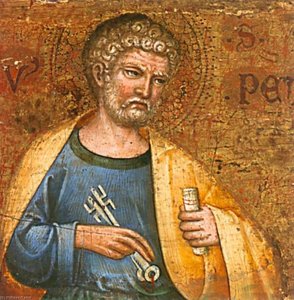
- The Predella Fragments: Small yet mighty narrative details, such as the fragment housed in St. Peter's Basilica, which offer a rare, intimate glimpse into his ability to blend Byzantine iconography with Venetian naturalism.
- Symbolic Depth: Every element, from the rich pigments to the carefully placed saints, was imbued with deep theological meaning, designed to guide the faithful through a visual liturgy.
Beyond these large-scale commissions, works such as The Virgin and Child with St John the Baptist showcase his ability to balance complex compositions with an intimate, devotional beauty. In these panels, the interplay of light and shadow creates a sense of profound stillness, inviting the observer into a state of quiet contemplation.
A Lasting Impression on the Venetian Renaissance
The historical significance of Meneghello di Giovanni de' Canali lies in his role as a bridge. He was an artist caught between epochs, possessing the technical discipline of the medieval guild system and the visionary spirit of the early Renaissance. His ability to synthesize disparate influences—the rigid, symbolic language of Byzantine art and the fluid, observational realism of the Venetian school—helped pave the way for the giants who would follow him. He did not merely paint religious scenes; he helped redefine how the divine could be perceived through the medium of earthly light and color.
Though many of his specific works have been lost to the ravages of time, his footprint remains indelible in the archives of Zadar and the galleries of London. His legacy is found in the enduring power of his surviving fragments, which continue to captivate modern audiences with their vibrant hues and soulful depth. In the history of Italian art, de' Canali remains a vital link, a master who captured the transition of an age within the delicate strokes of his brush.
基本情報
- Artistic Movement Or Style: Early Renaissance
- Artists Or Movements Influenced By This Artist: ['Byzantine Art']
- Artists Who Influenced This Artist: ['Cima da Conegliano']
- Date Of Death: 1427
- Full Name: MENEGHELLO di Giovanni de' Canali
- Nationality: Italian
- Notable Artworks:
- Virgin and Child
- Altarpiece of the Virgin Mary (predella fragment, detail)
- The Virgin and Child with St John the Baptist
- Place Of Birth: Dalmatia/Venice
関連記事

ジョット・ディ・ボンドーネ:至高の25選 - ルネサンスの夜明けを彩る傑作たち | ArtsDot
ジョット・ディ・ボンドーネの至高の25選。ルネサンス美術を牽引した巨匠の傑作と、その感動的な物語を紐解きます。高品質な絵画複製やインテリアアートで、名画の世界をあなたの空間に。ArtsDot.com でコレクションをご覧ください。

ジョン・シンガー・サージェント:至高の25選 - 美と光の肖像画の世界 | ArtsDot
ジョン・シンガー・サージェントの至高の25選。肖像画、写実主義、光と影の表現が美しい作品群を紐解きます。マダムXや少女の肖像など、時代を超えて愛される名作をArtsDotで鑑賞。高品質なアート複製で、お部屋に美術館のような空間を。今すぐコレクションをご覧ください。

ジョン・コンスタブルの傑作25選:英国風景画の巨匠が描く自然と光の詩 | ArtsDot
ジョン・コンスタブルの傑作25選。英国風景画の巨匠が描く自然と光の詩の世界へ。ロマン主義を代表する絵画、デダム・ヴェールやヘイ・ウェインなど、ArtsDotで高品質なアートプリントをお楽しみください。インテリアに深みと感動を。コレクションはこちら。
フラ・アンジェリコの傑作25選:ルネサンス美術の神髄と至高の装飾 | ArtsDot
フラ・アンジェリコの傑作25選。ルネサンス美術の神髄を紐解き、天使のような静謐な色彩と宗教画の世界へ誘います。壁画やフレスコ画の技法、修道院に息づく祈りの絵…ArtsDotで至高のアートプリントをお手軽に。コレクションを探索する。
ヴェネツィア・ビエンナーレ厳選25作品:芸術と歴史が織りなす至高のコレクション | ArtsDot
ヴェネツィア・ビエンナーレの至宝25選。印象派から現代アートまで、名画の背景にある物語と芸術家の情熱を紐解きます。ArtsDotで、キャンバスアートや油絵複製をお楽しみください。今すぐコレクションをご覧ください。

