

 プレビュー
プレビュー
 プリントを購入
 シェアする
シェアする シェアする
シェアする
 詳細を見る
詳細を見る

 ダウンロード
 似ている作品
 X線調査
X線調査 スライドショー
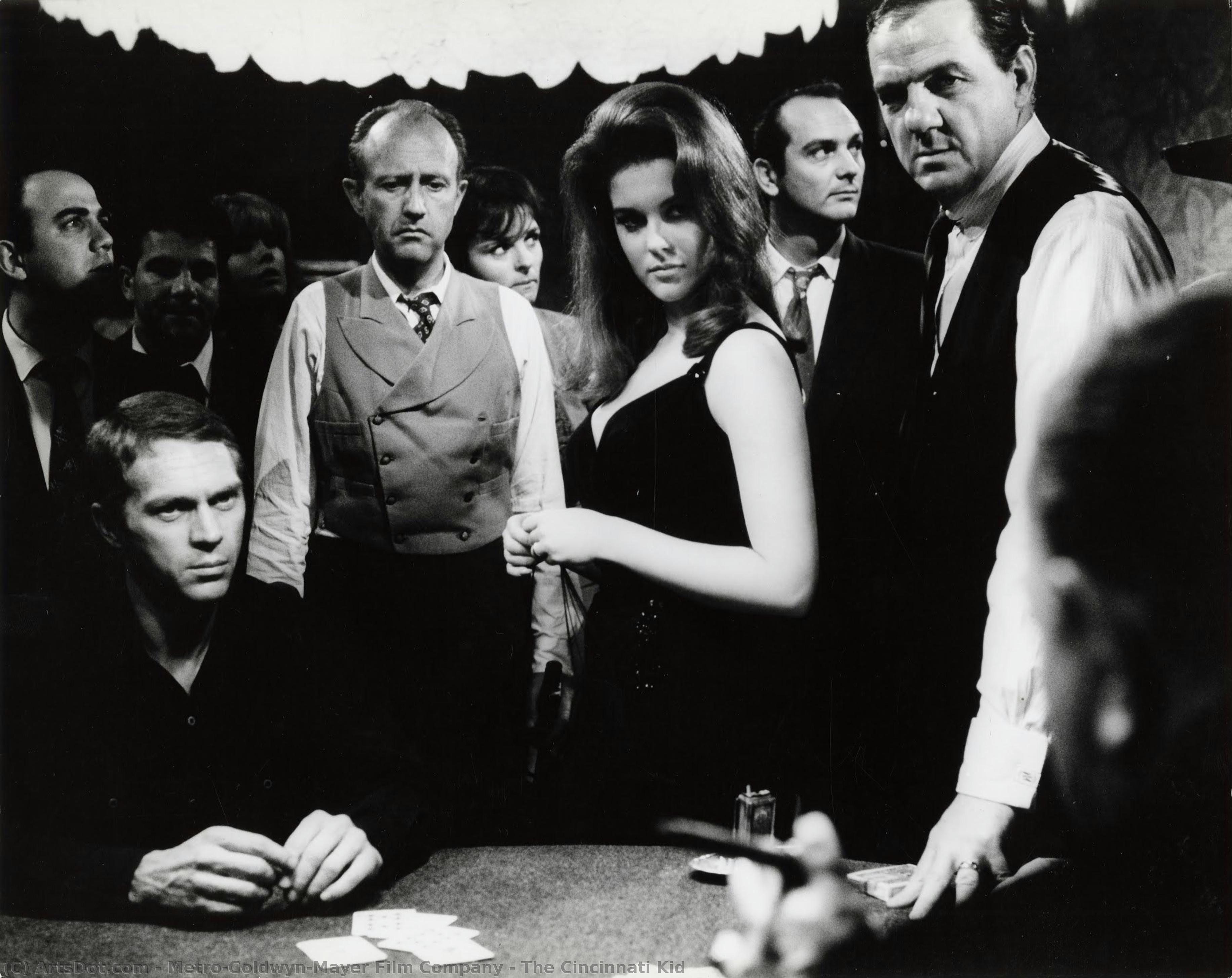
The Cincinnati Kid


 詳細を見る
詳細を見る




































作品のオリジナル比率に合わせた、当店の規定サイズからお選びください。

特定のフレームやスペースに合わせて、ご希望のサイズをご入力いただけます。選択されたサイズが元の画像の比率と異なる場合、アートワークをトリミングするか、手描きで要素を追加して絵画を拡張いたします。デジタルモックアップ を制作し、制作開始前にご確認(承認)をいただきます。
画面上のプレビューは、実際のトリミングや拡張を正確に反映しているものではありません。最終的な構図は、モックアップによってのみ正確にご確認いただけます。
カスタムサイズもご利用いただけますが、元の比率を維持するためには、あらかじめ用意されたリストからサイズを選択することをお勧めいたします。
ご注文後、ArtsDot.com チームより詳細な指示をお送りするとともに、仕上がりイメージ(モックアップ)をご提供いたします。


 ガラスオプションは、110cm未満のサイズでのみご利用いただけます。

The Cincinnati Kid
複製技法
複製画のサイズ
-


合計金額
$ 263
関連作品

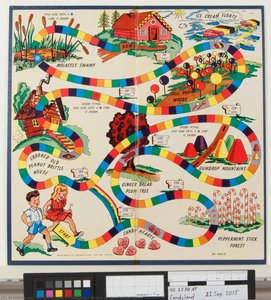
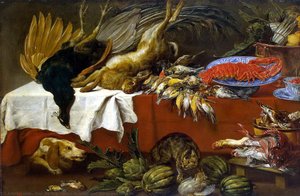

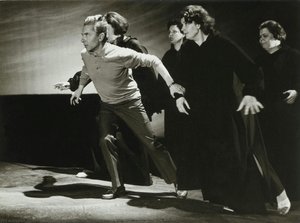
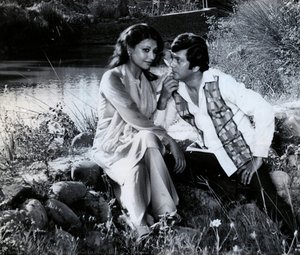
アーティストの略歴
The Roar of the Lion: A Legacy Forged in Silver and Light
The Metro-Goldwyn-Mayer Film Company, more commonly known as MGM, isn’t a single artist in the traditional sense; it is an entity, a collective creative force that shaped the very landscape of 20th-century entertainment. To speak of MGM is to speak of a studio system, a meticulously crafted dream factory born from the ambitions of Marcus Loew and the visionary talents of Louis B. Mayer and Samuel Goldwyn. Its origins lie in the early nickelodeon boom, evolving from Loew’s chain of theaters into a vertically integrated powerhouse that controlled production, distribution, and exhibition – a model that would define Hollywood for decades. While individual artists flourished *within* its walls—directors like Victor Fleming, George Cukor, and Vincente Minnelli; stars such as Greta Garbo, Clark Gable, Judy Garland, and Elizabeth Taylor—MGM itself became the defining aesthetic, a brand synonymous with glamour, spectacle, and enduring storytelling.From Vaudeville Roots to Technicolor Dreams
The early years of MGM were characterized by a pragmatic approach, consolidating smaller studios and leveraging Loew’s theater network. However, it was the partnership between Mayer, who understood the power of star personas and emotional resonance, and Goldwyn, with his artistic sensibilities, that truly set the studio apart. The 1920s saw MGM rapidly ascend, acquiring Polydor Pictures and establishing a reputation for lavish productions. A pivotal moment arrived with the advent of sound, which MGM embraced wholeheartedly, transforming its silent film stars into captivating vocal performers. But it was the introduction of Technicolor in the 1930s that irrevocably altered the studio’s trajectory. Films like The Wizard of Oz (1939) and Gone with the Wind (1939) weren't merely movies; they were immersive experiences, vibrant tapestries woven from color, music, and compelling narratives. This commitment to technological innovation became a hallmark of MGM’s identity, constantly pushing the boundaries of cinematic possibility.The Golden Age: A Constellation of Stars
The 1930s and 40s represent MGM's undisputed golden age. The studio cultivated an unparalleled stable of stars, each carefully molded into iconic figures. Clark Gable embodied rugged masculinity; Greta Garbo radiated enigmatic allure; Judy Garland possessed a heartbreaking vulnerability. These weren’t simply actors; they were meticulously constructed brands, their public images managed and refined by the studio’s publicity machine. Beyond the stars, MGM fostered a unique collaborative environment. Production teams remained largely intact for years, developing a shorthand and understanding that translated into consistently high-quality filmmaking. Musicals flourished under Arthur Freed, becoming synonymous with escapism and joy. The studio's backlot became legendary, a miniature world capable of recreating any setting imaginable. This period cemented MGM’s reputation as the “Aristocracy of Hollywood,” producing films that not only entertained but also reflected—and often shaped—American culture.Challenges and Transformations: The Decline and Legacy
The post-war era brought significant challenges to the studio system. The Paramount Decree, an antitrust ruling, forced MGM to divest its theater chain, disrupting its vertical integration model. Television’s rise presented a formidable competitor for audience attention. While MGM attempted to adapt—exploring new genres and production techniques—it struggled to maintain its dominance. The studio began selling off its vast backlot and star contracts, signaling the end of an era. Despite these difficulties, MGM continued to produce notable films throughout the 1950s and 60s, including Singin’ in the Rain (1952) and Ben-Hur (1959). However, the studio's financial struggles led to a series of mergers and acquisitions. Today, MGM exists as part of Amazon Studios, its iconic library serving as a valuable asset in the streaming age.An Enduring Symbol: The Lion Still Roars
Despite its tumultuous history, the legacy of Metro-Goldwyn-Mayer remains profoundly influential. Its films continue to captivate audiences worldwide, inspiring generations of filmmakers and performers. The studio’s commitment to craftsmanship, spectacle, and star power set a standard that continues to be emulated. More than just a production company, MGM represented a particular vision of American optimism and glamour—a world where dreams could come true, and anything was possible. And perhaps most enduringly, the iconic lion roar that precedes each film serves as a potent symbol of Hollywood’s golden age, a reminder of a time when movies truly were magic.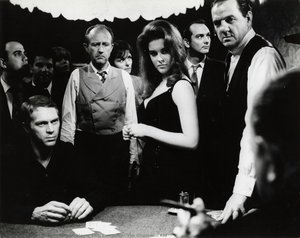
基本情報
- Artistic Movement Or Style: Film Production
- Date Of Death: Living
- Full Name: Metro-Goldwyn-Mayer Film Company
関連記事
Pixelated Prestige: Exploring Scarcity, Value, and Cultural Impact in Limited Edition Gaming Paintings
Explore the world of limited edition gaming paintings! Discover investment strategies, artist insights & preservation tips for collectors. Trusted expertise in rare video game art.
Beyond Pixels and Play: The Aesthetic and Identity Significance of Gaming Art for the Modern Collector
Explore the rising world of gaming art! Discover why collectors are investing in vintage games & interactive experiences. Expert insights on value, trends & cultural significance.
Pixel & Palette: Exploring the Artistic Craftsmanship of Hand-Painted Game Universes and the Artists Who Bring Them to Life
Explore the artistry of hand-painted game universes! Discover techniques, artists & history behind this unique style. Expert insights for collectors & developers.

ゲームストリート:デジタル美学が現代文化に及ぼす影響 - ファッション、アート、そしてアイデンティティの再構築
ゲームストリートの隆盛と現代文化への影響を徹底解説。ファッション、アート、アイデンティティの変化を探り、ArtsDot.comが提案する新しいアート体験をご紹介します。デジタル美学を取り入れた作品で、あなただけの表現を見つけましょう。
Bridging Realities: Exploring Aesthetic Crossovers Between Video Game Universes and Fine Art Traditions
Explore the fascinating intersection of video game aesthetics & fine art traditions. Discover how gaming influences design, collect iconic art reproductions, and elevate your space with expert guidance from ArtsDot.

