

 プレビュー
プレビュー
 プリントを購入
 シェアする
シェアする シェアする
シェアする
 詳細を見る
詳細を見る

 ダウンロード
 似ている作品
 X線調査
X線調査 スライドショー
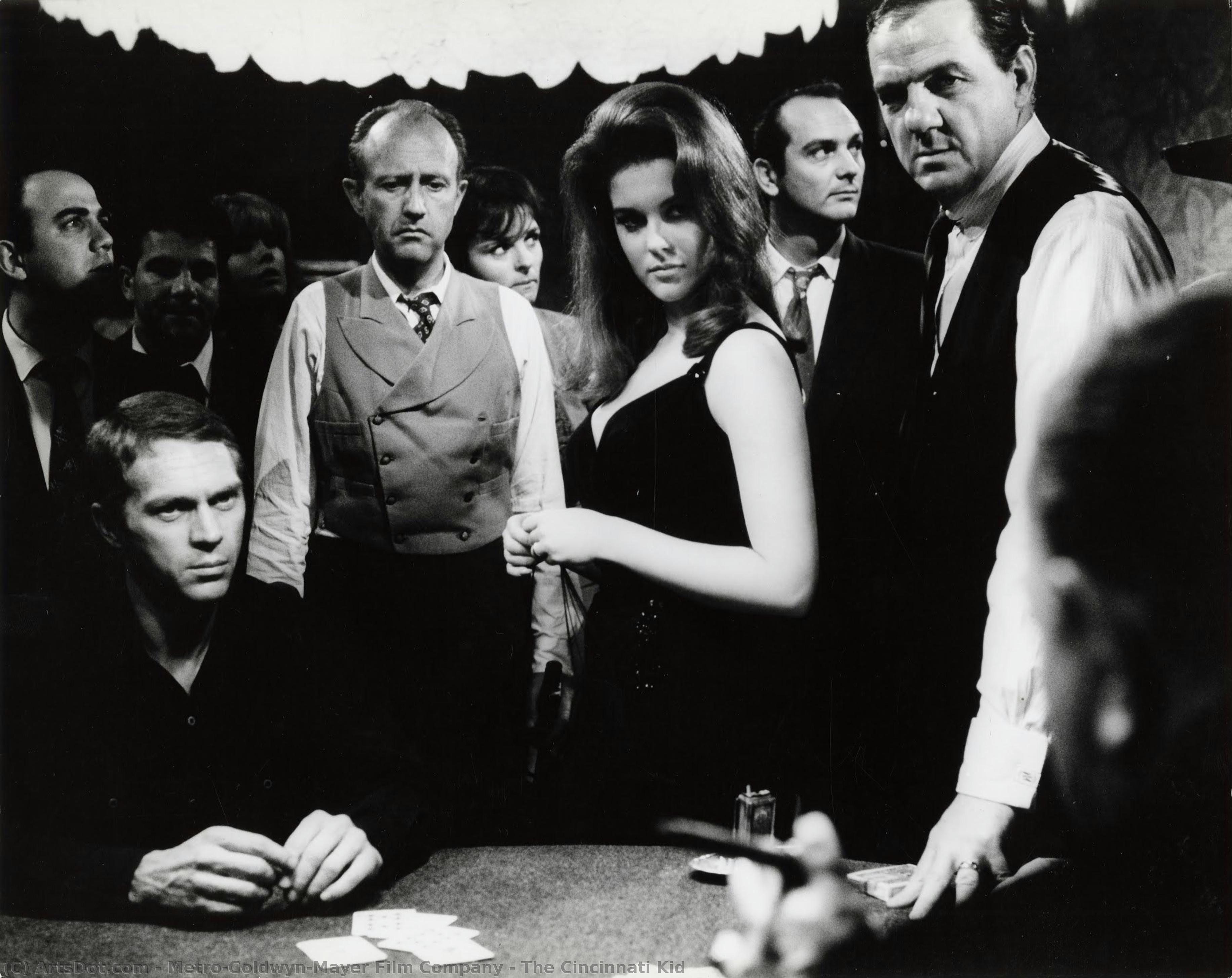
The Cincinnati Kid


 詳細を見る
詳細を見る
オンラインプレビューをはるかに凌ぐ、高解像度で鮮明なデジタル画像をご購入いただけます。
各ファイルは、社内の専門家が高度なツールと熟練した手作業によるレタッチを用いて、細心の注意を払って準備されています。すべての画像において、卓越した鮮明度、正確な色彩再現性、そして繊細なディテールを保証いたします。
最終ファイルは、プロフェッショナルな編集・印刷環境ですぐにご利用いただけるよう最適化された状態で、72時間以内にメールにてお届けいたします。これは、一流のデザインスタジオ、出版社、ギャラリーから信頼されているものと同等の品質です。
デジタル画像のご注文に付随する特典
高品質なデジタル画像配信を、確かな品質で。
ArtsDot.com を選ぶことは、単に画像を手に入れることではありません。それは、プロの手によって精密に仕上げられ、満足保証が付いた高品質なデジタルアートワークを受け取ることを意味します。ご注文いただいた際に自動的に付随する内容は、以下の通りです:

メールですぐにお届け
ご注文から72時間以内に、高解像度のデジタル画像ファイルがメールでお手元に届きます。すぐにそのままご利用いただけます。

AI技術で最適化されたデジタルファイル
お客様の作品は、高度なAIツールと専門家による手作業の編集を組み合わせてプロフェッショナルに最適化されており、細部のディテール、鮮明さ、そして正確な色再現性を最大限に引き出しています。

一生涯無料の再送サービス
ファイルを誤って削除したり、紛失してしまったりしましたか?ご安心ください。いつでも無料で再送いたします。

輸入手数料は一切かかりません
関税や手数料、配送料を気にすることなく、お気に入りのアートワークをすぐにお楽しみいただけます。デジタルダウンロードは常に免税です。

色彩再現の保証
プロ仕様のツールとカラーマネジメント技術を用いることで、デジタル画像が元の色を最大限に忠実に再現することを保証いたします。

60日間満足保証
ご購入いただいたデジタル画像にご満足いただけない場合は、60日以内であれば、修正または100%の返金(理由を問う必要はありません)をさせていただきます。

100% 返金保証
ご満足いただけない場合は、デジタルファイルを受け取ってから60日以内であれば、理由を問わず全額返金いたします。

まとめ買い割引
3枚購入で10%OFF - 5枚購入で15%OFF - 10枚以上購入で20%OFF。クリエイティブなプロジェクト、ギャラリー、エージェンシーに最適です。
関連作品

作家の略歴
The Roar of the Lion: A Legacy Forged in Silver and Light
The Metro-Goldwyn-Mayer Film Company, more commonly known as MGM, isn’t a single artist in the traditional sense; it is an entity, a collective creative force that shaped the very landscape of 20th-century entertainment. To speak of MGM is to speak of a studio system, a meticulously crafted dream factory born from the ambitions of Marcus Loew and the visionary talents of Louis B. Mayer and Samuel Goldwyn. Its origins lie in the early nickelodeon boom, evolving from Loew’s chain of theaters into a vertically integrated powerhouse that controlled production, distribution, and exhibition – a model that would define Hollywood for decades. While individual artists flourished *within* its walls—directors like Victor Fleming, George Cukor, and Vincente Minnelli; stars such as Greta Garbo, Clark Gable, Judy Garland, and Elizabeth Taylor—MGM itself became the defining aesthetic, a brand synonymous with glamour, spectacle, and enduring storytelling.From Vaudeville Roots to Technicolor Dreams
The early years of MGM were characterized by a pragmatic approach, consolidating smaller studios and leveraging Loew’s theater network. However, it was the partnership between Mayer, who understood the power of star personas and emotional resonance, and Goldwyn, with his artistic sensibilities, that truly set the studio apart. The 1920s saw MGM rapidly ascend, acquiring Polydor Pictures and establishing a reputation for lavish productions. A pivotal moment arrived with the advent of sound, which MGM embraced wholeheartedly, transforming its silent film stars into captivating vocal performers. But it was the introduction of Technicolor in the 1930s that irrevocably altered the studio’s trajectory. Films like The Wizard of Oz (1939) and Gone with the Wind (1939) weren't merely movies; they were immersive experiences, vibrant tapestries woven from color, music, and compelling narratives. This commitment to technological innovation became a hallmark of MGM’s identity, constantly pushing the boundaries of cinematic possibility.The Golden Age: A Constellation of Stars
The 1930s and 40s represent MGM's undisputed golden age. The studio cultivated an unparalleled stable of stars, each carefully molded into iconic figures. Clark Gable embodied rugged masculinity; Greta Garbo radiated enigmatic allure; Judy Garland possessed a heartbreaking vulnerability. These weren’t simply actors; they were meticulously constructed brands, their public images managed and refined by the studio’s publicity machine. Beyond the stars, MGM fostered a unique collaborative environment. Production teams remained largely intact for years, developing a shorthand and understanding that translated into consistently high-quality filmmaking. Musicals flourished under Arthur Freed, becoming synonymous with escapism and joy. The studio's backlot became legendary, a miniature world capable of recreating any setting imaginable. This period cemented MGM’s reputation as the “Aristocracy of Hollywood,” producing films that not only entertained but also reflected—and often shaped—American culture.Challenges and Transformations: The Decline and Legacy
The post-war era brought significant challenges to the studio system. The Paramount Decree, an antitrust ruling, forced MGM to divest its theater chain, disrupting its vertical integration model. Television’s rise presented a formidable competitor for audience attention. While MGM attempted to adapt—exploring new genres and production techniques—it struggled to maintain its dominance. The studio began selling off its vast backlot and star contracts, signaling the end of an era. Despite these difficulties, MGM continued to produce notable films throughout the 1950s and 60s, including Singin’ in the Rain (1952) and Ben-Hur (1959). However, the studio's financial struggles led to a series of mergers and acquisitions. Today, MGM exists as part of Amazon Studios, its iconic library serving as a valuable asset in the streaming age.An Enduring Symbol: The Lion Still Roars
Despite its tumultuous history, the legacy of Metro-Goldwyn-Mayer remains profoundly influential. Its films continue to captivate audiences worldwide, inspiring generations of filmmakers and performers. The studio’s commitment to craftsmanship, spectacle, and star power set a standard that continues to be emulated. More than just a production company, MGM represented a particular vision of American optimism and glamour—a world where dreams could come true, and anything was possible. And perhaps most enduringly, the iconic lion roar that precedes each film serves as a potent symbol of Hollywood’s golden age, a reminder of a time when movies truly were magic.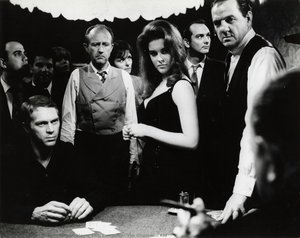
プロフィール概要
- Artistic Movement Or Style: Film Production
- Date Of Death: Living
- Full Name: Metro-Goldwyn-Mayer Film Company

