

 プレビュー
プレビュー
 プリントを購入
 シェアする
シェアする シェアする
シェアする
 詳細を見る
詳細を見る

 ダウンロード
 似ている作品
 X線調査
X線調査 スライドショー
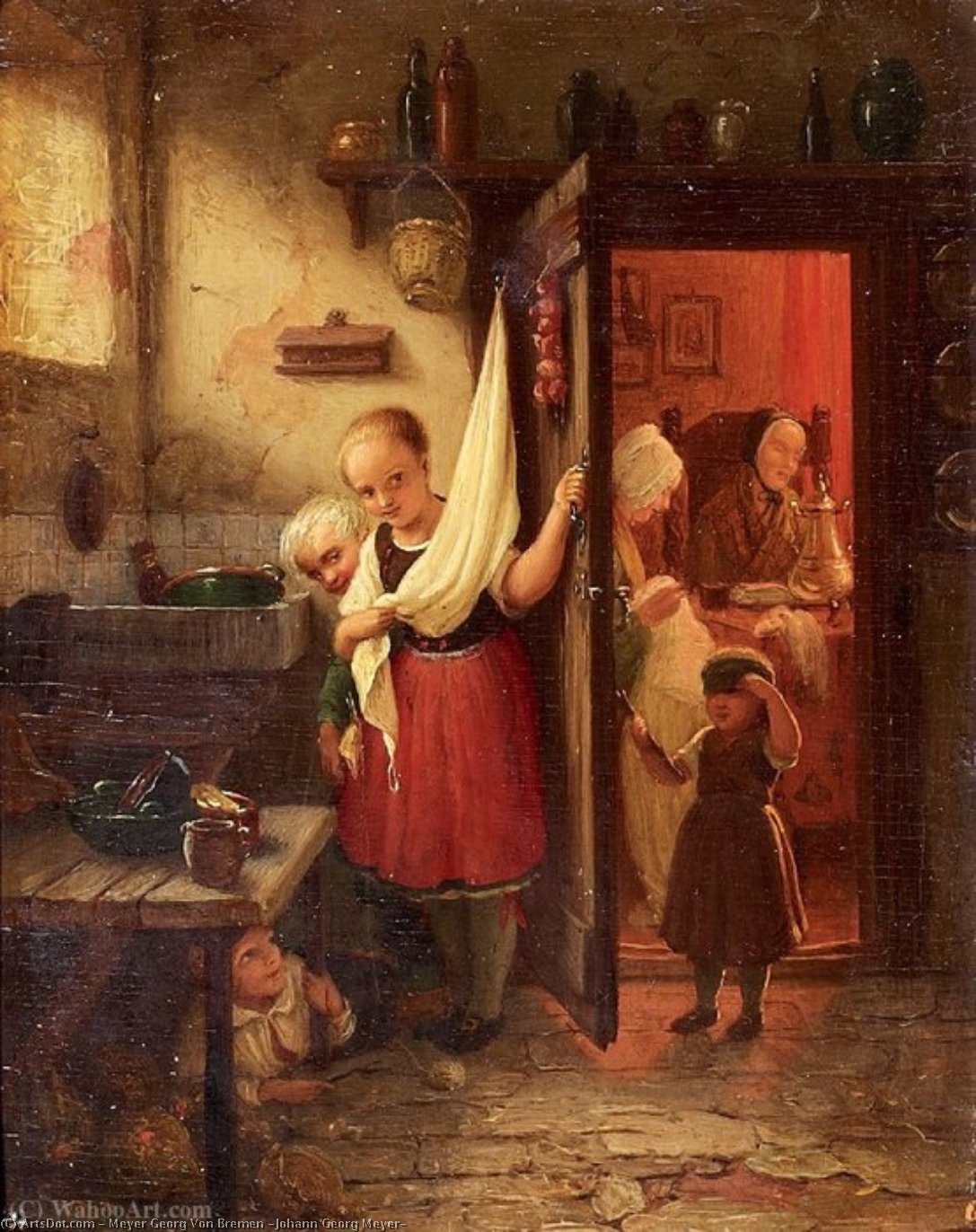
Children at the blind-cow-play
 詳細を見る
詳細を見る




































作品のオリジナル比率に合わせた、当店の規定サイズからお選びください。

特定のフレームやスペースに合わせて、ご希望のサイズをご入力いただけます。選択されたサイズが元の画像の比率と異なる場合、アートワークをトリミングするか、手描きで要素を追加して絵画を拡張いたします。デジタルモックアップ を制作し、制作開始前にご確認(承認)をいただきます。
画面上のプレビューは、実際のトリミングや拡張を正確に反映しているものではありません。最終的な構図は、モックアップによってのみ正確にご確認いただけます。
カスタムサイズもご利用いただけますが、元の比率を維持するためには、あらかじめ用意されたリストからサイズを選択することをお勧めいたします。
ご注文後、ArtsDot.com チームより詳細な指示をお送りするとともに、仕上がりイメージ(モックアップ)をご提供いたします。


 ガラスオプションは、110cm未満のサイズでのみご利用いただけます。

Children at the blind-cow-play
複製技法
複製画のサイズ
-


合計金額
$ 263
関連作品
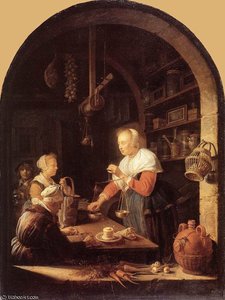
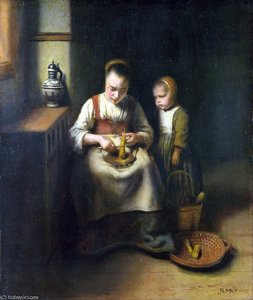
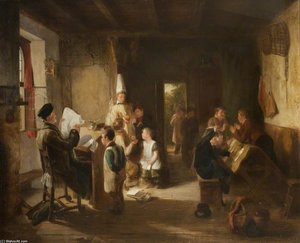
アーティストの略歴
The Soul of German Realism: The Life and Legacy of Meyer von Bremen
In the heart of the nineteenth century, a period defined by a profound shift from romantic idealism toward the unvarnished truths of existence, Johann Georg Meyer von Bremen emerged as a master of the human condition. Born on October 28, 1813, in the Hanseatic city of Bremen, his path to artistic greatness was shaped by both sudden tragedy and rigorous academic discipline. Following the untimely death of his father, the young Meyer found himself steered away from the mercantile traditions of his family and toward the vibrant, transformative atmosphere of the Düsseldorf School of Painting. This transition would eventually allow him to become one of the most poignant voices in German Realism, a painter capable of finding the extraordinary within the ordinary.
His artistic foundation was laid at the prestigious Düsseldorf Kunstakademie, where he studied under the influential Friedrich Wilhelm Schadow. Under Schadow’s guidance, Meyer mastered the art of meticulous observation—a hallmark of the Düsseldorf style that demanded a scientific precision in capturing light, texture, and shadow. This period of his life was characterized by an intense focus on plein air techniques, learning to translate the fleeting nuances of the natural world onto canvas with unparalleled accuracy. As he honed his craft, his work began to move beyond mere technical excellence, developing a unique ability to imbue even the simplest subjects with deep psychological resonance and emotional warmth.
From Biblical Narratives to the Poetics of Everyday Life
The evolution of Meyer von Bremen’s oeuvre is a fascinating journey through the changing sensibilities of his era. In the early stages of his career, his brush was often turned toward the grander, more structured themes of Biblical narratives. These works allowed him to explore dramatic tension and moral weight through carefully composed scenes. However, as his reputation grew and he moved from Düsseldorf to Berlin in 1853, his artistic focus underwent a beautiful metamorphosis. He began to turn his gaze away from the divine and toward the "simple annals of the poor," finding profound beauty in the lives of the Hessian peasantry and the quiet dignity of rural existence.
This shift marked his true arrival as a pioneer of realism. His later works became celebrated for their intense sympathy and spirited humor, particularly when depicting the innocence of childhood. He possessed a rare gift for capturing the spontaneous joy and tender vulnerability of youth, creating scenes that felt both timeless and intimately personal. Some of his most enduring thematic explorations include:
- Peasant Life: Capturing the rugged yet soulful existence of the rural working class with dignity and detail.
- Childhood Innocence: Utilizing a sense of humor and lightheartedness to portray children at play, such as in 'Children Playing Blindman's Buff.'
- Domestic Intimacy: Rendering family scenes that evoke nostalgia and the warmth of home life.
- Portraiture of Youth: Creating evocative single figures, such as 'The Little Flower Girl,' which showcase his mastery of texture and light.
A Lasting Impression on the German Canon
The historical significance of Meyer von Bremen lies in his ability to bridge the gap between the technical rigor of the Academy and the emotional accessibility of Realism. While many of his contemporaries focused on grand historical or mythological subjects, Meyer found greatness in a strawberry basket, a playing child, or a quiet moment of prayer. His work serves as a vital cultural record of nineteenth-century German life, preserving the textures of clothing, the light of the countryside, and the social fabric of the era with a painterly devotion that feels remarkably modern.
Even today, his influence can be felt in the way we perceive the beauty of the mundane. His paintings, held in prestigious institutions such as the Metropolitan Museum of Art and the Kunsthalle Bremen, continue to resonate with viewers who seek a connection to the authentic human experience. Through his disciplined technique and empathetic eye, Meyer von Bremen did more than just paint scenes; he elevated the everyday to the level of high art, ensuring that the quiet, uncelebrated moments of history would never be forgotten.
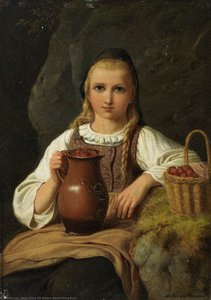
meyer georg von bremen (johann georg meyer)
1813 - 1886
基本情報
- Artistic Movement Or Style: Düsseldorf School of Painting
- Artists Who Influenced This Artist: ['Friedrich Wilhelm Schadow']
- Date Of Birth: October 28, 1813
- Full Name: Johann Georg Meyer von Bremen
- Nationality: German
- Notable Artworks:
- Tending The Little Ones
- The reading girl
- The Sleeping Child
- Place Of Birth: Bremen, Germany