

 プレビュー
プレビュー
 プリントを購入
 シェアする
シェアする シェアする
シェアする
 詳細を見る
詳細を見る

 ダウンロード
 似ている作品
 X線調査
X線調査 スライドショー
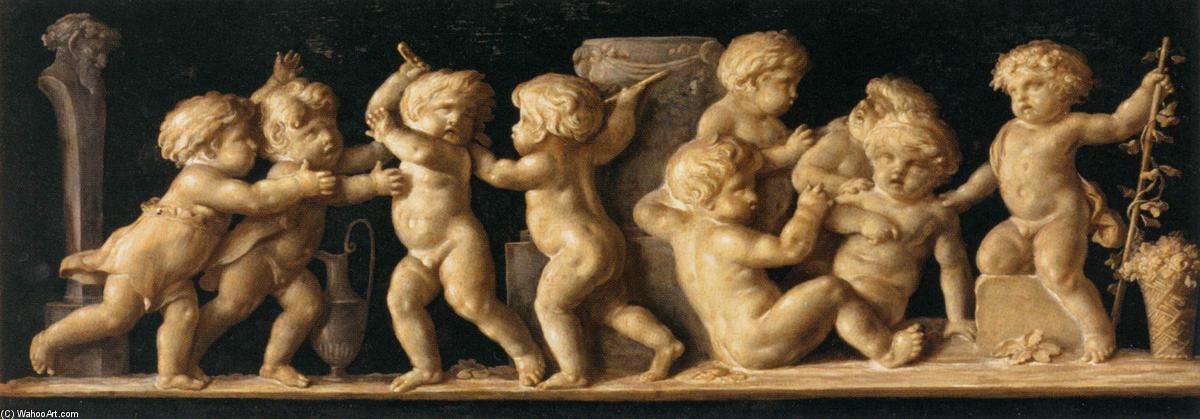
Bacchanalia of Children
 Oil On Canvas
- WallArt
- Neoclassicism
 1790
1790 32.0 x 84.0 cm
 ルーブル美術館
 詳細を見る
詳細を見る




P118B $10

P118H $10

P118W $10

P438Z $10

P508JH $12

P508YH $12

P805H $10

P805Z $10

P919BZ $10

P919G $10

P919XJ $10

P959ZH $10

P968JZ $12

W106C $8

W218G $10

W218JH $8

W218Y $10

W307PJ $10

W316G $10

W316PJ $8

W316Y $10

W398PJ $8

W4111J $10

W500HY $15

W500JH $15

W692G $12

W849H $8

W940BG $15

W953PJ $8




作品のオリジナル比率に合わせた、当店の規定サイズからお選びください。

特定のフレームやスペースに合わせて、ご希望のサイズをご入力いただけます。選択されたサイズが元の画像の比率と異なる場合、アートワークをトリミングするか、手描きで要素を追加して絵画を拡張いたします。デジタルモックアップ を制作し、制作開始前にご確認(承認)をいただきます。
画面上のプレビューは、実際のトリミングや拡張を正確に反映しているものではありません。最終的な構図は、モックアップによってのみ正確にご確認いただけます。
カスタムサイズもご利用いただけますが、元の比率を維持するためには、あらかじめ用意されたリストからサイズを選択することをお勧めいたします。
ご注文後、ArtsDot.com チームより詳細な指示をお送りするとともに、仕上がりイメージ(モックアップ)をご提供いたします。


 ガラスオプションは、110cm未満のサイズでのみご利用いただけます。

Bacchanalia of Children
複製技法
複製画のサイズ
-


合計金額
$ 263
A Moment Frozen in Ecstatic Revelry: Piat Joseph Sauvage’s “Bacchanalia of Children”
Piat Joseph Sauvage's "Bacchanalia of Children," painted in 1790, isn’t merely a depiction of youthful play; it’s a carefully constructed tableau brimming with the spirit of Neoclassicism and a subtle undercurrent of unrestrained joy. Housed within the venerable halls of the Musée du Louvre, this oil on canvas invites us into a private world where childhood innocence intertwines with the echoes of ancient Greek celebrations – the Bacchanalia. The painting immediately commands attention through its masterful use of light and shadow; a dark, almost velvety background throws the figures forward, emphasizing their vitality and creating an intimate, theatrical atmosphere. Sauvage’s skill lies not just in rendering individual faces, but in capturing a collective mood—a sense of unrestrained delight that feels both timeless and profoundly human.
- Composition: The scene unfolds with a dynamic energy, centered around a group of children engaged in what appears to be a playful dance or revelry. The central figure, a young boy raising his arms aloft, acts as the focal point, drawing our eye and suggesting leadership within this joyous gathering.
- Color Palette: Sauvage employs a restrained yet effective color palette. The lighter tones of the children’s clothing and skin contrast sharply with the darker background, amplifying their presence and creating a sense of depth. Subtle hints of red and gold – perhaps in ribbons or garments – add touches of vibrancy without overwhelming the overall mood.
- Technique: The artist's attention to detail is remarkable; each child’s expression, gesture, and clothing are rendered with meticulous precision. This realism, characteristic of Neoclassicism, lends a sense of authenticity and immediacy to the scene.
Neoclassical Roots and the Echoes of Antiquity
“Bacchanalia of Children” firmly establishes itself within the context of Neoclassicism, a movement that sought inspiration from the art and ideals of ancient Greece and Rome. Sauvage’s decision to depict children engaged in a Bacchanalian-inspired celebration is no accident; it reflects the era's fascination with classical mythology and its belief in the inherent goodness of youth. The Bacchanalia itself, a frenzied religious festival dedicated to Dionysus, represented a release from societal constraints – a temporary escape into ecstatic joy and communal revelry. By reimagining this ancient ritual through the lens of childhood, Sauvage suggests that this spirit of liberation is not confined to adulthood but can be found in the simplest of pleasures.
The painting’s composition—with its dynamic movement and emphasis on youthful energy—mirrors the idealized depictions of athletic contests and heroic deeds prevalent in Neoclassical art. Furthermore, the careful attention to detail and realistic rendering of the figures aligns with the movement's commitment to accuracy and naturalism.Symbolism: Joy, Freedom, and the Promise of a New Era
Beyond its surface depiction of children playing, “Bacchanalia of Children” is rich in symbolic meaning. The dark background can be interpreted as representing the constraints of societal norms and expectations – those that often stifle youthful exuberance. The children’s unrestrained joy, therefore, becomes a powerful symbol of freedom and rebellion against these limitations. Moreover, the painting was created during a period of significant social and political upheaval in France—the years leading up to the French Revolution. The scene can be viewed as an allegory for the potential of a new era, one characterized by liberty, equality, and fraternity – values that were central to revolutionary ideals.
The presence of multiple children suggests a collective spirit, emphasizing the shared experience of joy and liberation. Their playful interactions represent a rejection of rigid social hierarchies and an embrace of communal harmony.A Legacy of Beauty: Reproduction and Artistic Significance
Piat Joseph Sauvage’s “Bacchanalia of Children” remains a captivating work of art, offering a glimpse into the spirit of Neoclassicism and the enduring appeal of childhood joy. Reproductions of this painting provide an accessible way to experience its beauty and contemplate its profound symbolism. When selecting a reproduction, consider the quality of materials and the artist’s interpretation – ensuring that it faithfully captures the essence of Sauvage's original vision. The ArtsDot website offers exceptional reproductions, allowing art lovers to bring this timeless masterpiece into their homes or offices.
関連作品

関連記事

ルーブル美術館の至宝25選:名画と芸術史を巡る旅 | ArtsDot
ルーブル美術館の至宝25選。レオナルド・ダ・ヴィンチ、ミロのヴィーナス…名画の歴史と感動を紐解きます。複製画やインテリアアートも豊富に。ArtsDotで、あなただけの芸術空間を。
Joseph Henry Sharp: Capturing the Spirit of the Plains – Life, Art & Legacy
Explore the life & art of Joseph Henry Sharp, a founding member of the Taos Society of Artists renowned for his realistic depictions of Native American culture and Western landscapes. Discover his legacy with ArtsDot.
Joseph Kleitsch: Bridging Impressionism & California Regionalism – A Study of Light and Identity
Explore the life & work of Joseph Kleitsch, a pivotal California Impressionist painter. Discover his vibrant landscapes, portraits, and legacy within the Laguna Beach art colony. A comprehensive study for collectors & enthusiasts.
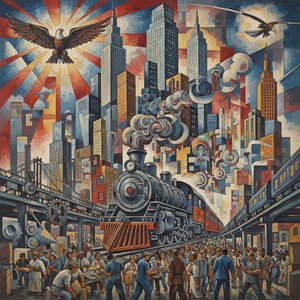
Joseph Stella: Modernism's Dynamic Vision of Industry, Urban Life & the American Spirit
Explore the captivating world of Joseph Stella, a pioneer of American Modernism. Discover his iconic depictions of industry, urban life & the Brooklyn Bridge. Expert analysis for art collectors.
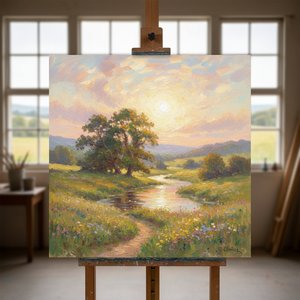
Joseph Clover: A Study in Luminosity & Transient Beauty – Exploring the Ephemeral Landscapes of a British Impressionist
Explore the captivating landscapes of Joseph Clover, a pioneering British Impressionist & innovator in anaesthesia. Discover his unique artistic vision, subtle colour palettes, and enduring legacy with ArtsDot.

