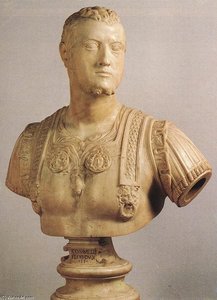
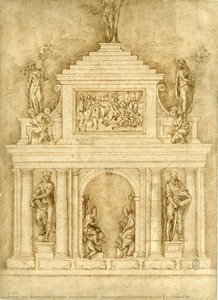
The Sculptor of Florentine Grandeur
In the vibrant, sun-drenched heart of the Italian Renaissance, few names evoke the monumental ambition of Florence quite like Bartolommeo Brandini, known to history as Baccio Bandinelli. Born in the rolling landscapes of Chianti around 1493, Brandini emerged from a period of profound artistic transformation, stepping into a world where the revival of classical antiquity was not merely an academic pursuit but a living, breathing force. His journey from a promising apprentice to a titan of Florentine sculpture and painting is a testament to the era's relentless pursuit of perfection and the dramatic tension between individual genius and the weight of tradition.
The trajectory of Brandini’s career was irrevocably shaped by his proximity to the giants of his age. Most significantly, his relationship with Michelangelo Buonarroti served as both a profound inspiration and a formidable shadow. By absorbing the master's dedication to anatomical precision and the expressive potential of the human form, Brandini developed a style that sought to capture the very essence of muscular tension and spiritual struggle. This mentorship instilled in him an unwavering belief in the power of large-scale works to convey deep, often turbulent, narratives, allowing him to navigate the complex social and political landscapes of Medici-era Florence with both technical prowess and artistic authority.
Mastery of Form and the Dramatic Narrative
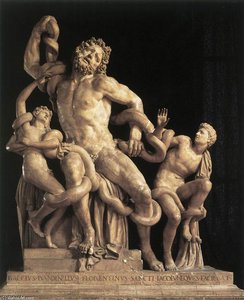
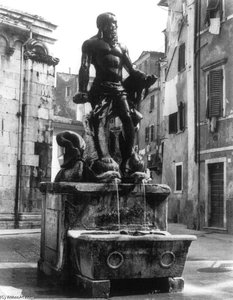
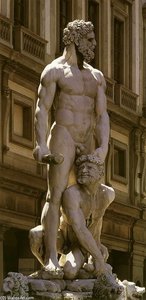
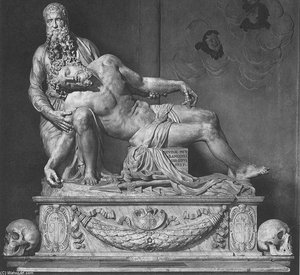
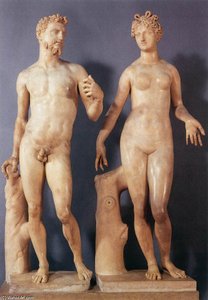
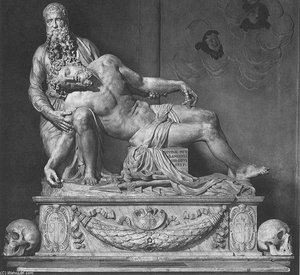
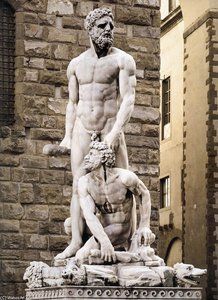
Brandini’s artistic output was characterized by a remarkable versatility that bridged the gap between the tactile permanence of stone and the ethereal light of oil on canvas. As a sculptor, he achieved legendary status through his ability to execute monumental commissions that demanded both immense physical labor and delicate finesse. His work often centered on themes of biblical struggle and classical heroism, utilizing chiaroscuro-like contrasts in stone to create depth and movement. One of his most significant achievements remains his contribution to the colossal projects of Rome, including his involvement in the creation of the statue of Saint Peter in St. Peter's Basilica, a feat that solidified his reputation as one of the premier executors of large-scale religious iconography.
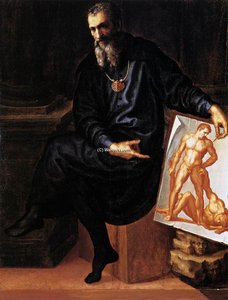
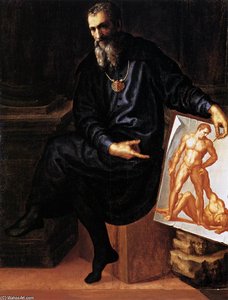
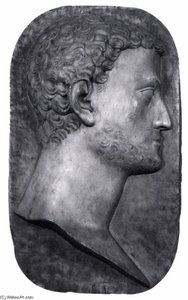
Beyond the heavy marble and bronze, Brandini’s prowess as a painter allowed him to explore more intimate, psychological territories. His Self-Portrait from 1530 stands as a breathtaking example of this duality; in it, he utilizes masterful light and shadow to depict himself not merely as a craftsman, but as a visionary artist. The painting captures a sense of dramatic struggle within the composition, mirroring the very themes found in his sculptures. This ability to translate the monumental energy of sculpture into the nuanced language of painting allowed him to engage with patrons on both a public, civic level and a private, intellectual one.
Legacy and Historical Significance
The historical significance of Baccio Bandinelli lies in his role as a bridge between the High Renaissance and the burgeoning complexities of Mannerism. While often discussed in the context of his rivalry with Michelangelo, Brandini’s true legacy is found in his ability to synthesize classical ideals with a new, more expressive tension. His works served as vital landmarks in the Florentine landscape, adorning churches and public squares with stories of faith and fortitude.
To reflect on the breadth of his impact, one might consider these defining elements of his career:
- Technical Innovation: The seamless integration of anatomical accuracy with dramatic, emotive composition.
- Patronage and Presence: His ability to secure high-profile commissions from the most influential figures in Italy, from the Medici to the Papacy.
- Artistic Versatility: A rare mastery over both the permanence of sculpture and the atmospheric depth of oil painting.
- Cultural Influence: His role in shaping the visual identity of Florence during one of its most transformative historical epochs.
Ultimately, Bartolommeo Brandini remains a figure of immense fascination—a sculptor whose hands shaped the very stone of history and a painter who captured the flickering light of the human soul.