

 プレビュー
プレビュー
 プリントを購入
 シェアする
シェアする シェアする
シェアする
 詳細を見る
詳細を見る

 ダウンロード
 似ている作品
 X線調査
X線調査 スライドショー
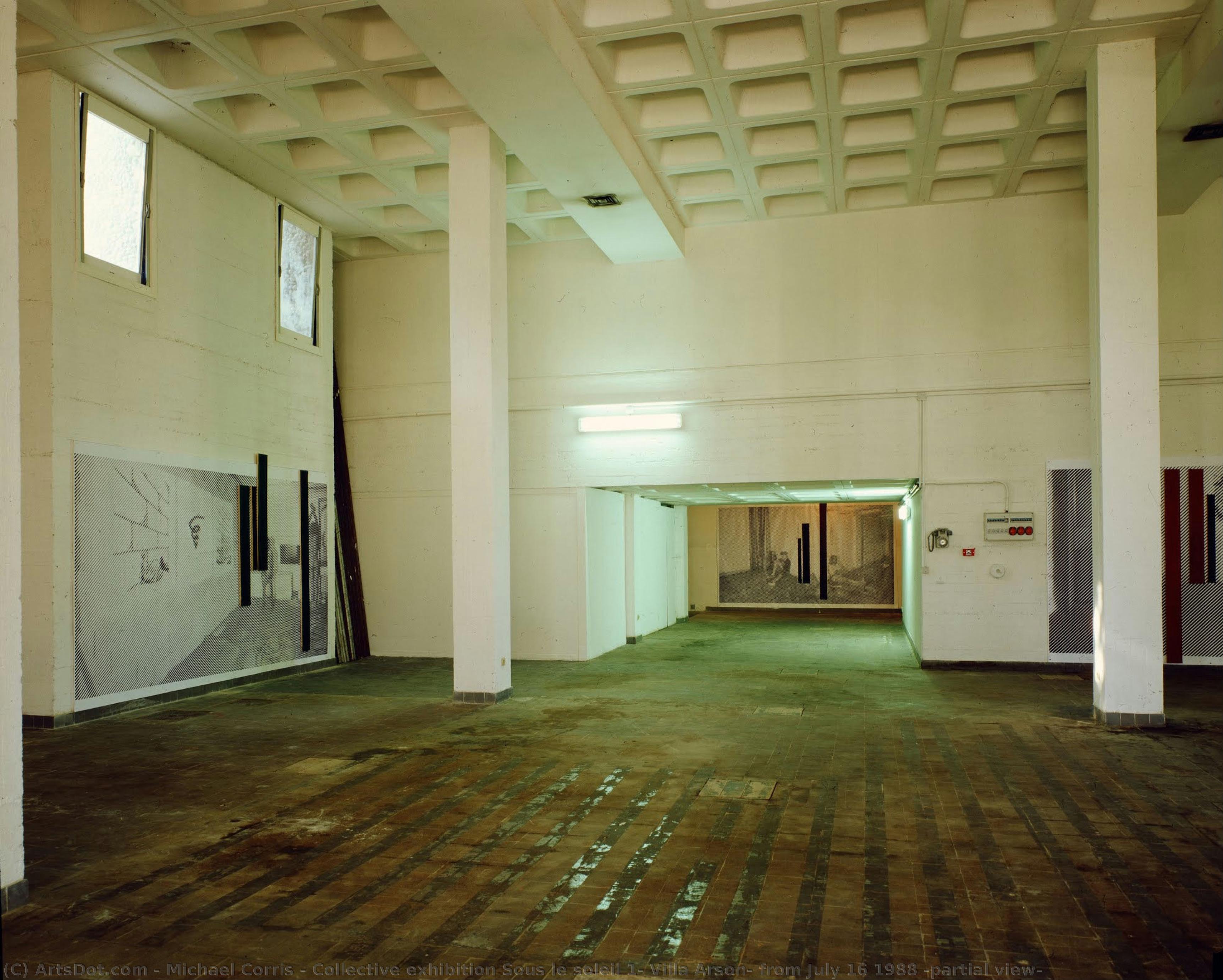
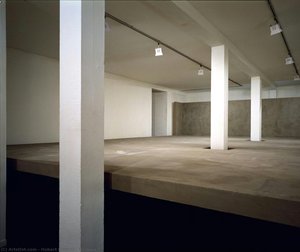
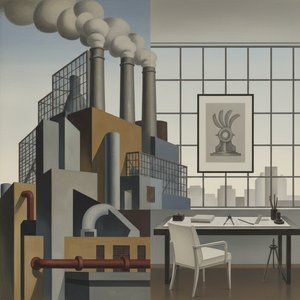
Collective exhibition Sous le soleil 1, Villa Arson, from July 16 1988 (partial view)


 詳細を見る
詳細を見る




































作品のオリジナル比率に合わせた、当店の規定サイズからお選びください。

特定のフレームやスペースに合わせて、ご希望のサイズをご入力いただけます。選択されたサイズが元の画像の比率と異なる場合、アートワークをトリミングするか、手描きで要素を追加して絵画を拡張いたします。デジタルモックアップ を制作し、制作開始前にご確認(承認)をいただきます。
画面上のプレビューは、実際のトリミングや拡張を正確に反映しているものではありません。最終的な構図は、モックアップによってのみ正確にご確認いただけます。
カスタムサイズもご利用いただけますが、元の比率を維持するためには、あらかじめ用意されたリストからサイズを選択することをお勧めいたします。
ご注文後、ArtsDot.com チームより詳細な指示をお送りするとともに、仕上がりイメージ(モックアップ)をご提供いたします。


 ガラスオプションは、110cm未満のサイズでのみご利用いただけます。

Collective exhibition Sous le soleil 1, Villa Arson, from July 16 1988 (partial view)
複製技法
複製画のサイズ
-


合計金額
$ 263
関連作品
アーティストの略歴
The Interdisciplinary Vision of Michael Corris
In the vast, shifting landscape of contemporary art, few figures embody the spirit of intellectual and creative versatility quite like Michael Corris. Born in London in 1948, Corris has navigated a career that defies the traditional boundaries between the studio, the academy, and the printed page. His journey is not merely one of personal evolution but a profound engagement with the very mechanics of how art functions within society. To understand Corris is to understand the intersection of conceptual rigor and expressive freedom, a duality that has defined his presence in the international art world for decades.
Corris’s formative years were deeply rooted in the electric atmosphere of New York City during the height of the Conceptual Art movement. It was here, amidst a radical rethinking of what constitutes an artwork, that he began to forge connections with some of the most influential voices of his generation. His early experiences were shaped by a collaborative spirit, working alongside luminaries such as Kenneth Noland, Jacob Lawrence, and Brice Marden. These interactions were not merely social; they were pedagogical encounters that instilled in him a belief that art must confront complex social and theoretical issues, moving beyond mere aesthetics to embrace the weight of idea and discourse.
Academic Foundations and the Conceptual Crucible
The intellectual architecture of Corris’s practice was built upon a rigorous academic foundation. Pursuing his bachelor’s and master’s degrees at Brooklyn College, he studied under a constellation of masters including Harry Holtzman, Jimmy Ernst, and Philip Pearlstein. This period provided him with the technical vocabulary of studio practice while simultaneously introducing him to the deep historical currents of art theory. His training was further refined at the Hoffberger School of Painting, where the influence of Grace Hartigan helped him bridge the gap between expressive, painterly traditions and the burgeoning cerebral demands of the era.
A defining chapter in his development arrived in 1970 through a scholarship to the prestigious Skowhegan Summer Art Program. This environment served as a crucible for experimentation, allowing Corris to immerse himself in the radical dialogues of the time. It was during this period that he became intimately involved with the Art & Language collective, a movement that sought to dissolve the distinction between the art object and the linguistic description of it. His contributions to the journal Art-Language and his role as a founding editor for publications like The Fox and Red-Herring underscore his commitment to "information art"—a practice where the dissemination of ideas is as vital as the creation of form.
A Legacy of Versatility and Global Impact
As his career progressed, Corris transitioned from the vanguard of conceptual collectives to a position of profound influence as an educator and historian. His tenure as Professor Emeritus at the Meadows School of the Arts at Southern Methodist University allowed him to mentor new generations of artists, teaching them to navigate the complexities of systems theory, creative computation, and critical reflection. His work remains guided by the principle of versatility—the idea that an artist should be free to inhabit multiple cultural roles, whether as a painter, a writer, or an organizer, without being constrained by disciplinary silos.
The historical significance of Michael Corris is etched into the permanent collections of the world’s most esteemed institutions. His artistic and book works are held in:
- The Museum of Modern Art (MoMA), New York
- Tate Britain and Tate Modern, London
- The Getty Research Institute, Los Angeles
- Le Consortium Museum, Dijon
- The Victoria and Albert Museum, London
Through his prolific writing on modern and contemporary art and his enduring presence in the global gallery circuit, Corris continues to challenge the boundaries of the possible. He remains a vital figure whose work reminds us that the true power of art lies in its ability to exist within the interstices—between the studio and the showroom, between the word and the image, and between the individual creator and the collective consciousness.
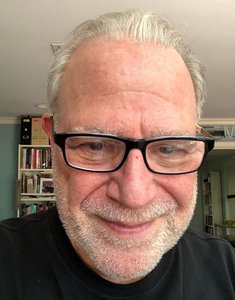
Michael Corris
1948 - , United Kingdom
基本情報
- Artistic Movement Or Style: Conceptual Art & Information Art
- Artists Or Movements Influenced By This Artist:
- Kenneth Noland
- Jacob Lawrence
- Brice Marden
- David Diao
- Artists Who Influenced This Artist:
- Harry Holtzman
- Jimmy Ernst
- Walter Rosenblum
- Sylvia Stone
- Philip Pearlstein
- Grace Hartigan
- Date Of Birth: London, United Kingdom (1948)
- Full Name: Michael Corris
- Nationality: British
- Notable Artworks: ['Sous le soleil 1']
- Place Of Birth: London
関連記事
Industrial Revolution on Canvas: 10 Artworks That Define a Modern Aesthetic
Explore 10 iconic artworks capturing the Industrial Revolution’s grit & beauty. From Monet to Manet, discover realism, impressionism & powerful scenes of urban life. Find museum-quality reproductions for your home at ArtsDot.com.
Documentary Photography's Defining Moments: 10 Masterpieces for Your Home |
Explore 10 defining documentary photography masterpieces – from Dorothea Lange to Robert Capa. Discover powerful stories, iconic images & timeless art for your home. Museum-quality prints at .
The Gritty Muse: Industrial Vibe as Defining Aesthetic in Modern Artwork
Explore the captivating world of industrial aesthetics in modern art. Discover key movements, influential artists & collecting insights at ArtsDot.com – your source for museum-quality reproductions and expert art guidance.
狭小空間を最大限に活かす抽象芸術:知覚とスケールの航海 - フリーランス・デコレーター向け戦略ガイド
狭小空間を最大限に活かす抽象芸術の戦略ガイド。知覚心理と色彩理論に基づき、視覚的な広がりを生み出すテクニックや素材選び、ライティングまで解説。フリーランス・デコレーター向け実践的ノウハウで、クライアント満足度を高めましょう。
Charles Sheeler Jr.: Precisionism, Industrial Aesthetics & the American Modernist Vision
Explore the groundbreaking work of Charles Sheeler Jr., a pivotal figure in American Precisionism. Discover his iconic industrial landscapes, photographic studies & lasting influence on modernist art. Expert insights for collectors.