

 プレビュー
プレビュー
 プリントを購入
 シェアする
シェアする シェアする
シェアする
 詳細を見る
詳細を見る

 ダウンロード
 似ている作品
 X線調査
X線調査 スライドショー
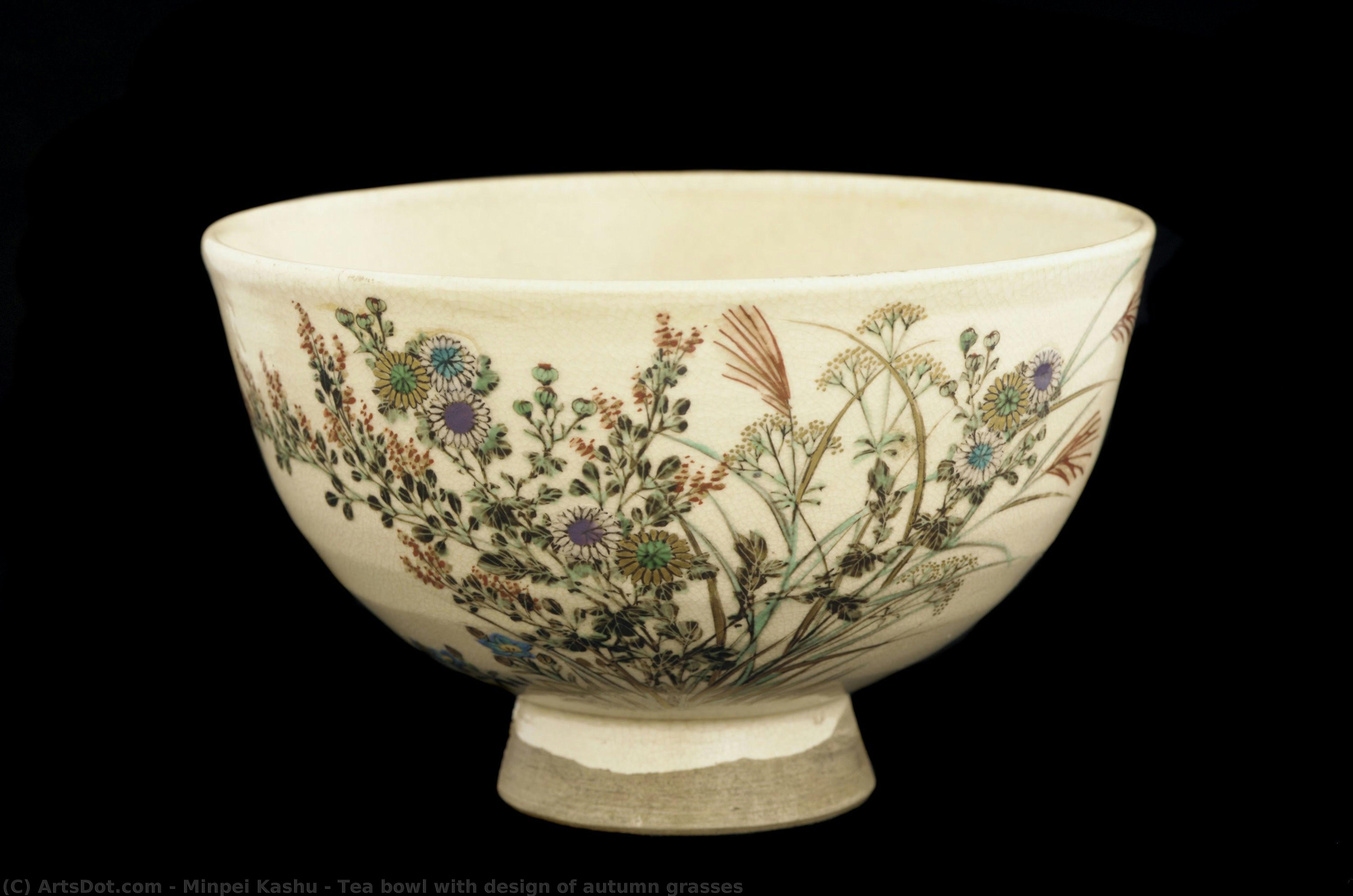
Tea bowl with design of autumn grasses


 詳細を見る
詳細を見る
オンラインプレビューをはるかに凌ぐ、高解像度で鮮明なデジタル画像をご購入いただけます。
各ファイルは、社内の専門家が高度なツールと熟練した手作業によるレタッチを用いて、細心の注意を払って準備されています。すべての画像において、卓越した鮮明度、正確な色彩再現性、そして繊細なディテールを保証いたします。
最終ファイルは、プロフェッショナルな編集・印刷環境ですぐにご利用いただけるよう最適化された状態で、72時間以内にメールにてお届けいたします。これは、一流のデザインスタジオ、出版社、ギャラリーから信頼されているものと同等の品質です。
デジタル画像のご注文に付随する特典
高品質なデジタル画像配信を、確かな品質で。
ArtsDot.com を選ぶことは、単に画像を手に入れることではありません。それは、プロの手によって精密に仕上げられ、満足保証が付いた高品質なデジタルアートワークを受け取ることを意味します。ご注文いただいた際に自動的に付随する内容は、以下の通りです:

メールですぐにお届け
ご注文から72時間以内に、高解像度のデジタル画像ファイルがメールでお手元に届きます。すぐにそのままご利用いただけます。

AI技術で最適化されたデジタルファイル
お客様の作品は、高度なAIツールと専門家による手作業の編集を組み合わせてプロフェッショナルに最適化されており、細部のディテール、鮮明さ、そして正確な色再現性を最大限に引き出しています。

一生涯無料の再送サービス
ファイルを誤って削除したり、紛失してしまったりしましたか?ご安心ください。いつでも無料で再送いたします。

輸入手数料は一切かかりません
関税や手数料、配送料を気にすることなく、お気に入りのアートワークをすぐにお楽しみいただけます。デジタルダウンロードは常に免税です。

色彩再現の保証
プロ仕様のツールとカラーマネジメント技術を用いることで、デジタル画像が元の色を最大限に忠実に再現することを保証いたします。

60日間満足保証
ご購入いただいたデジタル画像にご満足いただけない場合は、60日以内であれば、修正または100%の返金(理由を問う必要はありません)をさせていただきます。

100% 返金保証
ご満足いただけない場合は、デジタルファイルを受け取ってから60日以内であれば、理由を問わず全額返金いたします。

まとめ買い割引
3枚購入で10%OFF - 5枚購入で15%OFF - 10枚以上購入で20%OFF。クリエイティブなプロジェクト、ギャラリー、エージェンシーに最適です。
関連作品








作家の略歴
The Quiet Revolution of Minpei Kashu: Shaping Awaji Ware
Minpei Kashu, born in Osaka in 1796 and passing away in 1871, wasn’t a flamboyant figure who stormed the art world. Instead, he was a quiet revolutionary, a potter whose meticulous craftsmanship and innovative use of color fundamentally altered the landscape of Japanese ceramics. His legacy resides not in grand gestures but in the subtle beauty of Awaji ware – a style that continues to captivate collectors and enthusiasts today. Kashu’s story is inextricably linked with the rise of Awaji Island as a center for ceramic production, a transformation he played a crucial role in orchestrating. Initially, Awaji was known primarily for its *raku* ware, characterized by its rustic charm and unpredictable glazes. However, Kashu sought to elevate this tradition, introducing a level of control and aesthetic refinement previously unseen.Early Life and the Founding of Awaji Ware
Kashu’s early life remains somewhat shrouded in mystery, though it's known he apprenticed under various masters before establishing his own workshop on Awaji Island. Crucially, he wasn’t alone in this endeavor. He collaborated closely with Shisai Kashu (no relation), a fellow potter who shared his vision for a more sophisticated style of ceramics. Together, they spearheaded the movement that would become known as Awaji ware. This collaboration was vital; it allowed them to pool resources, experiment with new techniques, and establish a distinct aesthetic identity. The island’s proximity to sources of high-quality clay and its burgeoning trade networks provided an ideal environment for this artistic blossoming. Kashu's early work focused on stoneware, a material that offered greater durability and versatility than the more delicate porcelain favored by some other potters.The Alchemy of Color: Cobalt and Iron Pigments
What truly distinguished Kashu’s work – and ultimately defined Awaji ware – was his masterful manipulation of color. He pioneered the extensive use of iron and, most notably, cobalt pigments in stoneware. Prior to this, these materials were rarely employed on stoneware, typically reserved for porcelain. Kashu's experimentation resulted in a breathtaking range of hues: deep blues, rich browns, earthy greens, and subtle grays – all achieved through careful control of the firing process. The application of these pigments wasn’t merely decorative; it was integral to the aesthetic effect, creating textures and patterns that mimicked natural elements like moss, grasses, and stone. His signature autumn grass designs, often depicted in swirling, undulating forms, became instantly recognizable and deeply symbolic. These weren't simply pretty pictures; they represented a connection to the cyclical rhythms of nature – a core value within Japanese aesthetics.Technique and Innovation: A Masterful Hand
Kashu’s skill extended beyond color. He was a meticulous craftsman, employing techniques honed over years of practice. He utilized a distinctive “slip-trailing” method to apply the colored glazes, creating intricate patterns and layering effects. The firing process itself was carefully controlled, often involving multiple firings at varying temperatures to achieve the desired results. He also experimented with different clay bodies, seeking to balance strength and plasticity. His work demonstrates an understanding of material properties that is remarkable for its time. Kashu’s influence can be seen in the development of *shabi-gusa*, a type of stoneware characterized by its subtle variations in color and texture – a direct result of his innovative approach to glaze application.Legacy and Historical Significance
Minpei Kashu's contribution to Japanese ceramics is profound. He didn’t invent Awaji ware entirely, but he was the driving force behind its transformation into a recognized style. His emphasis on stoneware, combined with his groundbreaking use of color, established a new standard for quality and artistic expression. His work continues to be highly sought after by collectors worldwide, not just for its beauty but also as a testament to his skill and vision. The tea bowls featuring autumn grass designs, such as the example showcased at ArtsDot.com, are particularly prized – they represent a distillation of Kashu’s artistic philosophy: a celebration of nature's ephemeral beauty captured in clay. He left behind a legacy that continues to inspire ceramic artists today, solidifying his place as one of the most important figures in Japanese pottery history.
minpei kashu
1796 - 1871 , Japan
プロフィール概要
- Artistic Movement Or Style: Awaji ware pottery
- Date Of Birth: 1796
- Date Of Death: 1871
- Full Name: Minpei Kashu
- Nationality: Japanese
- Notable Artworks: ['Tea bowl with autumn grasses']
- Place Of Birth: Osaka, Japan

