

 プレビュー
プレビュー
 プリントを購入
 シェアする
シェアする シェアする
シェアする
 詳細を見る
詳細を見る

 ダウンロード
 似ている作品
 X線調査
X線調査 スライドショー
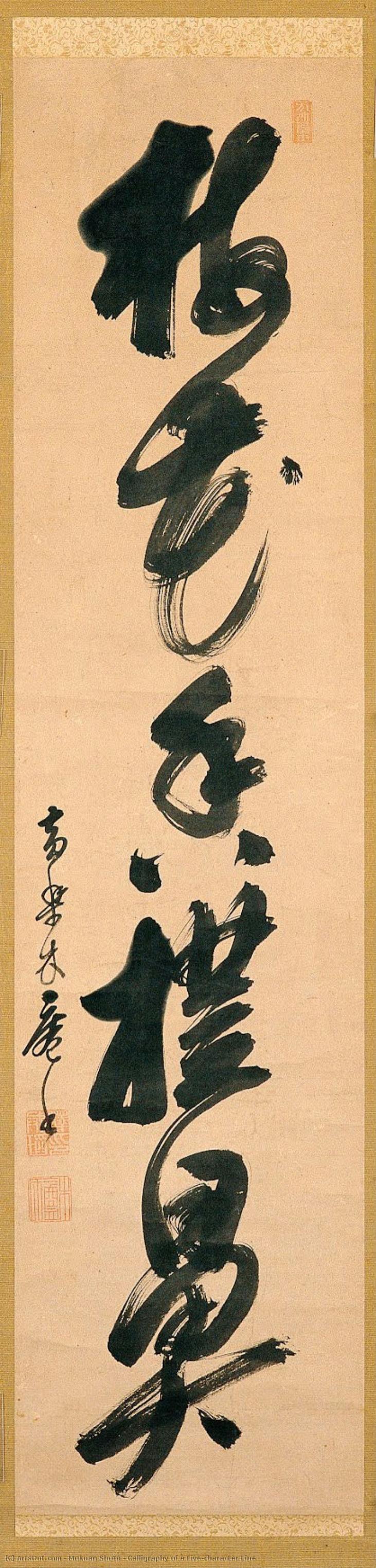
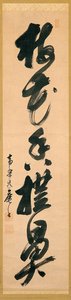
Calligraphy of a Five-character Line

 詳細を見る
詳細を見る




































作品のオリジナル比率に合わせた、当店の規定サイズからお選びください。

特定のフレームやスペースに合わせて、ご希望のサイズをご入力いただけます。選択されたサイズが元の画像の比率と異なる場合、アートワークをトリミングするか、手描きで要素を追加して絵画を拡張いたします。デジタルモックアップ を制作し、制作開始前にご確認(承認)をいただきます。
画面上のプレビューは、実際のトリミングや拡張を正確に反映しているものではありません。最終的な構図は、モックアップによってのみ正確にご確認いただけます。
カスタムサイズもご利用いただけますが、元の比率を維持するためには、あらかじめ用意されたリストからサイズを選択することをお勧めいたします。
ご注文後、ArtsDot.com チームより詳細な指示をお送りするとともに、仕上がりイメージ(モックアップ)をご提供いたします。


 ガラスオプションは、110cm未満のサイズでのみご利用いただけます。

Calligraphy of a Five-character Line
複製技法
複製画のサイズ
-


合計金額
$ 263
関連作品

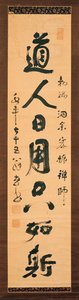
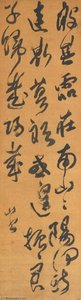

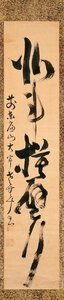

アーティストの略歴
A Legacy Etched in Ink and Zen
The history of Japanese spiritual and artistic expression is profoundly marked by the arrival of Mokuan Shōtō, a figure whose life bridged the gap between the Ming Dynasty traditions of China and the burgeoning culture of the Edo Period in Japan. Born in 1611 in Fuzhou, China, his journey was one of profound movement—not merely across geographical borders, but through the deep, meditative landscapes of the soul. As a pivotal architect of the Ōbaku Zen lineage, Mokuan Shōtō did more than practice Buddhism; he helped transplant an entire aesthetic and spiritual ecosystem into Japanese soil, leaving behind a legacy that remains etched in the fluid, rhythmic strokes of his calligraphy.
His formative years were steeped in the rigorous monastic traditions of Fujian Province, a region renowned for its vibrant Chan heritage. Entering the monastic order at the tender age of nineteen, Mokuan began a period of intense scholarly and contemplative training under the guidance of masters such as Yongjue Yuanxian at Mt. Huangbo. This era of his life was defined by the pursuit of mindfulness, emptiness, and enlightenment—principles that would later manifest in the raw, uninhibited energy of his brushwork. Under the tutelage of luminaries like Feiyin Tongrong and Yinyuan Longqi at Wanfusi Monastery, he mastered the delicate balance between disciplined technique and the spontaneous expression of truth.
The Journey to Japan and the Birth of Ōbaku
In 1654, a transformative chapter began when Mokuan Shōtō embarked on a voyage to Japan alongside his master, Yinyuan Longqi. This migration was not merely a relocation of a monk, but the beginning of a cultural renaissance. Settling initially in Nagasaki at Fukusaiji Temple, he eventually moved to Mt. Obaku in Useless, where he played an instrumental role in the construction of Mampuku-ji. This temple would become the spiritual epicenter for the Ōbaku lineage, a sanctuary where Chinese-style Zen could flourish within the Japanese landscape. Upon the passing of his mentor, Mokuan ascended to the position of abbot in 1664, a role in which he became a bridge between two nations.
His influence extended far beyond the monastery walls, reaching into the highest echelons of Japanese society. He earned the profound trust of the fourth Shogun, Tokugawa Ietsuna, an achievement that provided the political stability necessary for the Ōbaku lineage to thrive. Through his leadership, he championed monastic discipline and oversaw the education of a new generation of practitioners, ensuring that the intellectual and spiritual vitality of the Ming tradition would continue to pulse through the heart of Japan for centuries to come.
The Spirit of the Three Brushes
To look upon the work of Mokuan Shōtō is to witness the intersection of calligraphy and cosmic truth. He was celebrated as one of the Obaku no Sanpitsu, or the "Three Brushes of Ōbaku," a title reserved for calligraphers whose mastery of the brush was considered unparalleled. His style was characterized by a rapidly flowing semi-cursive script, a technique that demanded both immense physical control and a complete surrender to the moment. In his hands, ink was not merely pigment on paper; it was a living entity, capturing the breath and spirit of the practitioner.
His artistic achievements often centered on profound Zen concepts, such as the "large circle," which symbolizes the heavens, reality, and the Buddha-nature. When he executed these characters across broad expanses of paper, the movement was dynamic and uninhibited, mirroring the very essence of enlightenment—a sudden, sweeping realization of truth. His work remains a testament to the idea that art is an extension of meditation, where every stroke serves as a record of a mind in perfect harmony with the universe.
mokuan shōtō
1611 - 1684 , China
基本情報
- Artistic Movement Or Style: Ōbaku Zen calligraphy
- Artists Or Movements Influenced By This Artist: ['Linji School']
- Artists Who Influenced This Artist: ['Yinyuan Longqi']
- Date Of Birth: 1611
- Date Of Death: 1684
- Full Name: Mokuan Shōtō
- Nationality: Chinese
- Notable Artworks: ['Two Large Characters by Muan (Muang) Xingtao']
- Place Of Birth: Fuzhou, China

