

 プレビュー
プレビュー
 プリントを購入
 シェアする
シェアする シェアする
シェアする
 詳細を見る
詳細を見る

 ダウンロード
 似ている作品
 X線調査
X線調査 スライドショー
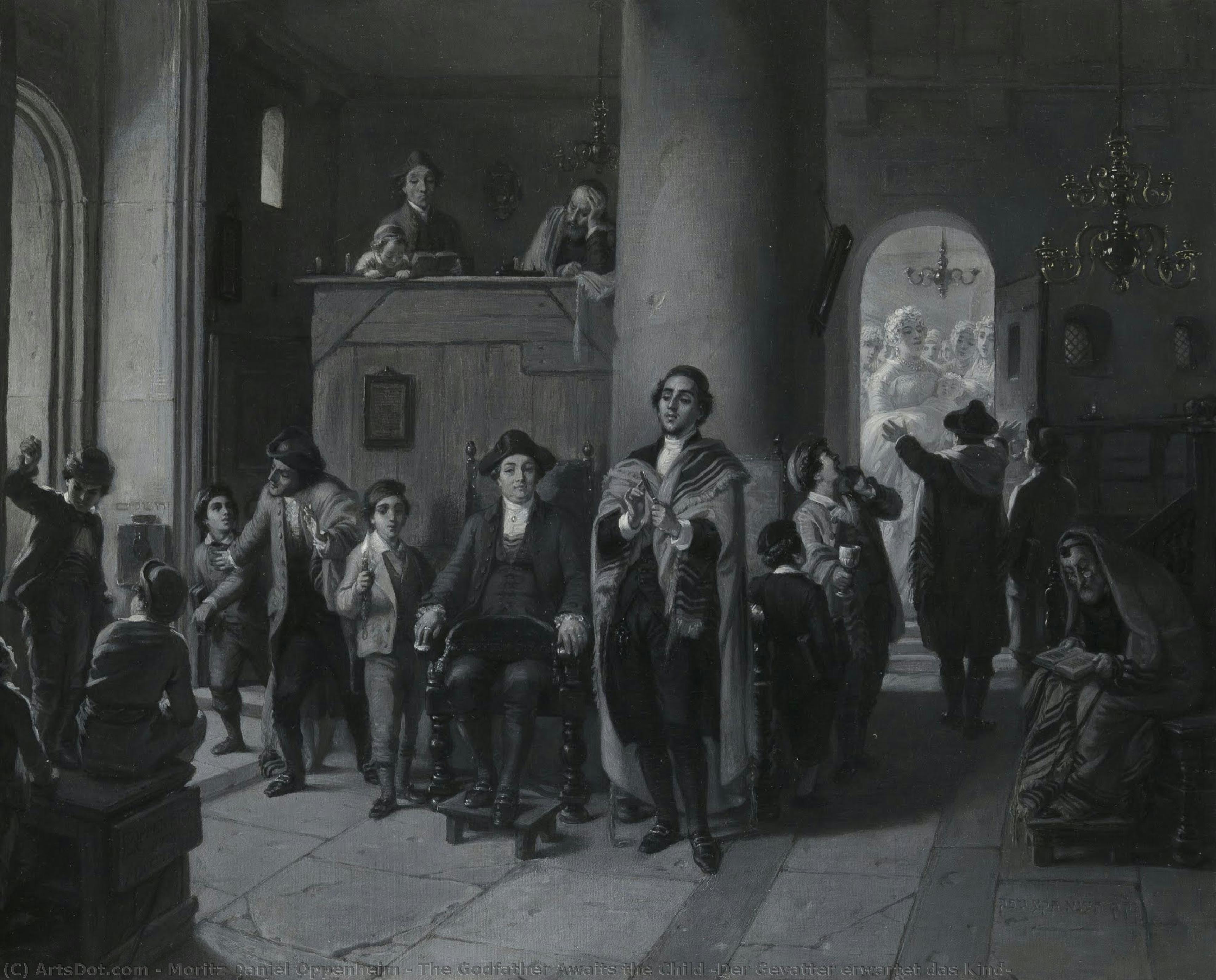
The Godfather Awaits the Child (Der Gevatter erwartet das Kind)
 Oil On Canvas
- WallArt
- German Romantic Painting
 1867
1867 55.0 x 68.0 cm
 The Jewish Museum
 詳細を見る
詳細を見る
オンラインプレビューをはるかに凌ぐ、高解像度で鮮明なデジタル画像をご購入いただけます。
各ファイルは、社内の専門家が高度なツールと熟練した手作業によるレタッチを用いて、細心の注意を払って準備されています。すべての画像において、卓越した鮮明度、正確な色彩再現性、そして繊細なディテールを保証いたします。
最終ファイルは、プロフェッショナルな編集・印刷環境ですぐにご利用いただけるよう最適化された状態で、72時間以内にメールにてお届けいたします。これは、一流のデザインスタジオ、出版社、ギャラリーから信頼されているものと同等の品質です。
デジタル画像のご注文に付随する特典
高品質なデジタル画像配信を、確かな品質で。
ArtsDot.com を選ぶことは、単に画像を手に入れることではありません。それは、プロの手によって精密に仕上げられ、満足保証が付いた高品質なデジタルアートワークを受け取ることを意味します。ご注文いただいた際に自動的に付随する内容は、以下の通りです:

メールですぐにお届け
ご注文から72時間以内に、高解像度のデジタル画像ファイルがメールでお手元に届きます。すぐにそのままご利用いただけます。

AI技術で最適化されたデジタルファイル
お客様の作品は、高度なAIツールと専門家による手作業の編集を組み合わせてプロフェッショナルに最適化されており、細部のディテール、鮮明さ、そして正確な色再現性を最大限に引き出しています。

一生涯無料の再送サービス
ファイルを誤って削除したり、紛失してしまったりしましたか?ご安心ください。いつでも無料で再送いたします。

輸入手数料は一切かかりません
関税や手数料、配送料を気にすることなく、お気に入りのアートワークをすぐにお楽しみいただけます。デジタルダウンロードは常に免税です。

色彩再現の保証
プロ仕様のツールとカラーマネジメント技術を用いることで、デジタル画像が元の色を最大限に忠実に再現することを保証いたします。

60日間満足保証
ご購入いただいたデジタル画像にご満足いただけない場合は、60日以内であれば、修正または100%の返金(理由を問う必要はありません)をさせていただきます。

100% 返金保証
ご満足いただけない場合は、デジタルファイルを受け取ってから60日以内であれば、理由を問わず全額返金いたします。

まとめ買い割引
3枚購入で10%OFF - 5枚購入で15%OFF - 10枚以上購入で20%OFF。クリエイティブなプロジェクト、ギャラリー、エージェンシーに最適です。
A Window Into Jewish Tradition: Moritz Daniel Oppenheim’s “The Godfather Awaits the Child”
Moritz Daniel Oppenheim (1800-1882) stands as a singular figure in the annals of German art history – and indeed, Jewish artistic representation. Often hailed as the first Jewish painter to achieve widespread recognition within the mainstream artistic landscape, his oeuvre transcends mere biographical detail; it embodies a profound commitment to documenting and celebrating Jewish life and culture during the 19th century. His work wasn’t simply aesthetically pleasing; it served as a vital visual record of a community grappling with modernization while striving to preserve its traditions. Oppenheim's legacy rests not just on his artistic skill but on his courageous decision to portray scenes from everyday Jewish existence, offering invaluable insight into the period's social and spiritual atmosphere.The Scene: A Circumcision Ceremony in Frankfurt’s Synagogue
“The Godfather Awaits the Child,” painted in 1867, captures a pivotal moment in Jewish ritual – the circumcision ceremony (Brit Milah). Set within the venerable walls of an old synagogue in Frankfurt am Main, Oppenheim meticulously depicts this rite of passage, symbolizing rebirth and reaffirmation of Abraham’s covenant with God. The composition centers around a mohel—a Jewish officiant—who prepares his knife for the procedure, embodying solemn responsibility and tradition. Beside him sits the godfather, representing paternal guidance and support, awaiting the arrival of the newborn son. The painting skillfully portrays the emotional significance of this event, reflecting the deep connection between family and faith within Jewish culture.Style and Technique: Romantic Idealism Meets Observational Detail
Oppenheim’s artistic style aligns with German Romantic idealism, evident in the luminous golden light bathing the figures and conveying a sense of spiritual grandeur. However, he distinguishes himself through meticulous observation—a hallmark of his technique—resulting in remarkably realistic depictions of human anatomy and drapery. The artist employs oil paints on canvas, layering colors to achieve depth and texture, capturing subtle nuances of expression and gesture. This careful attention to detail elevates the painting beyond mere representation, imbuing it with palpable emotion and conveying a profound respect for the subject matter.Symbolism: Representing Faith and Family Values
The artwork is rich in symbolic elements that underscore its thematic core. The candle symbolizes life and the future for both the infant and the Jewish community, representing hope and spiritual illumination. Seven female figures—representing matriarchs of Judaism—present the newborn to the godfather, symbolizing maternal blessing and continuity of tradition. Furthermore, mischievous boys playfully interrupt the solemn ceremony, highlighting the vibrancy of childhood alongside the seriousness of religious observance. The inclusion of these elements reinforces Oppenheim’s intention to portray not just a ritual but also the values underpinning Jewish identity – piety, family unity, and remembrance of ancestral heritage.Emotional Impact: A Portrait of Tradition Preserved
“The Godfather Awaits the Child” transcends its formal depiction; it evokes a powerful emotional response in the viewer. The artist’s masterful use of light and color creates an atmosphere of reverence and solemn beauty, transporting us back to a time when Jewish traditions held sway. More than just documenting a ritual, Oppenheim succeeds in conveying the profound joy and spiritual significance associated with welcoming a new life into the fold—a testament to his artistic vision and enduring contribution to Jewish art history. It remains a poignant reminder of the importance of preserving cultural heritage while embracing the dynamism of modern life.関連作品
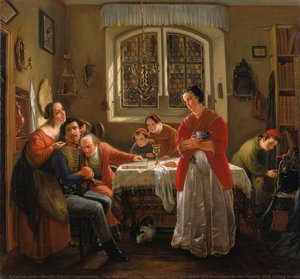
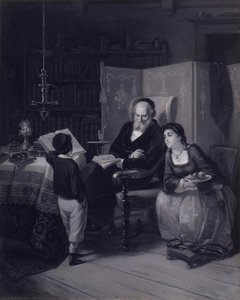
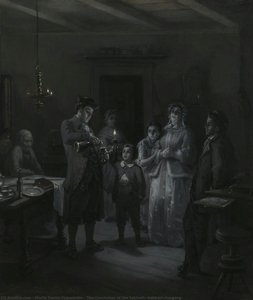
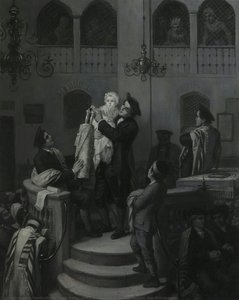
作家の略歴
A Visionary of Jewish Identity
Moritz Daniel Oppenheim (1800-1882) stands as a singular figure in the annals of German art history, serving as a profound pioneer of Jewish artistic representation. Born in Hanau, Germany, his life and work were deeply rooted in a commitment to documenting and celebrating the nuances of Jewish life and culture during the transformative nineteenth century. He was often hailed as the first Jewish painter to achieve widespread recognition within the mainstream artistic landscape, moving beyond mere biographical detail to create an oeuvre that embodies a vital visual record of a community navigating the complexities of modernization while striving to preserve its sacred traditions.
Oppenheim's artistic journey began with foundational training under Conrad Westermayr in his birthplace, where he first absorbed the principles of German Romantic painting. However, his true professional ascent was catalyzed by his enrollment at the Munich Academy of Arts at the age of seventeen. It was within these prestigious halls that he honed his technical mastery alongside contemporaries such as Wilhelm Leibl and Johann Baptist Eberhard Krauss. Seeking to expand his horizons, Oppenheim embarked on a transformative period of study abroad, traveling to Paris to study under Jean-Baptiste Regnault and later to Rome. In Italy, mentored by luminaries like Bertel Thorwaldsen and the Nazarene painter Johann Friedrich Overbeck, his style evolved into a sophisticated blend of meticulous observation and classical influence. This Roman period was particularly pivotal, as it infused his work with a sense of historical gravity that would later inform his depictions of Jewish rituals and daily life.
The Art of Intimacy and Tradition
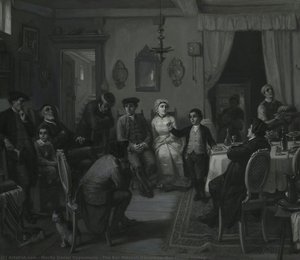
The heart of Oppenheim’s contribution to art lies in his ability to transform the domestic sphere into a stage for profound cultural narrative. His paintings often focus on intimate scenes of Jewish family life, capturing the quiet dignity of ritual and the warmth of communal bonds. Through his brush, the mundane becomes monumental. In works such as The Conclusion of the Sabbath (Sabbath-Ausgang), he employs masterful realism and subtle symbolism to depict the poignant transition from the sacred rest of the Sabbath back into the temporal world, inviting the viewer to witness the sanctity of family ritual.
His ability to weave historical context with personal emotion is perhaps most evident in his genre paintings that document specific cultural milestones. For instance:
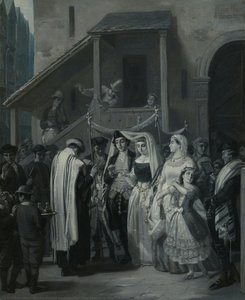
- The Wedding (Die Trauung): A breathtakingly detailed depiction of a 1866 Jewish wedding within the Frankfurt ghetto, where Oppenheim captures the splendor of traditional attire and the solemnity of the marriage canopy, offering a rare, preserved glimpse into a vanishing way of life.
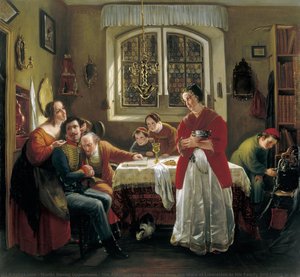
- The Return of the Volunteer: In this stunning oil painting from 1834, he explores the intersection of Jewish heritage and broader European history, portraying a soldier returning from the Wars of Liberation to a family still living according to ancient customs, effectively illustrating the tension between Napoleonic-era political shifts and enduring religious identity.
Legacy and Historical Significance
Beyond his technical skill, Oppenheim’s work is inextricably linked to the Wissenschaft des Judentums movement—a scholarly effort to establish Jewish history and culture as a respected academic field. His paintings functioned as visual scholarship, providing a dignified and authentic representation of a community that was often marginalized in the broader European art canon. By portraying Jewish subjects with the same level of detail, dignity, and Romantic grandeur typically reserved for aristocratic or mythological themes, he challenged existing prejudices and asserted the importance of Jewish identity within the German cultural fabric.
Ultimately, the legacy of Moritz Daniel Oppenheim is one of resilience and visibility. He did not merely paint scenes; he constructed a visual language for an era of transition. His ability to capture the delicate balance between the old world and the new ensures that his work remains a vital touchstone for understanding the nineteenth-century Jewish experience, making him an indispensable figure in the history of both German Romanticism and the global narrative of Jewish art.
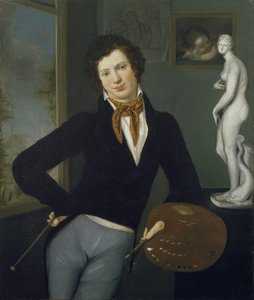
Moritz Daniel Oppenheim
1800 - 1882

