

 プレビュー
プレビュー
 シェアする
シェアする シェアする
シェアする
 詳細を見る
詳細を見る

 ダウンロード
 似ている作品
 X線調査
X線調査 スライドショー
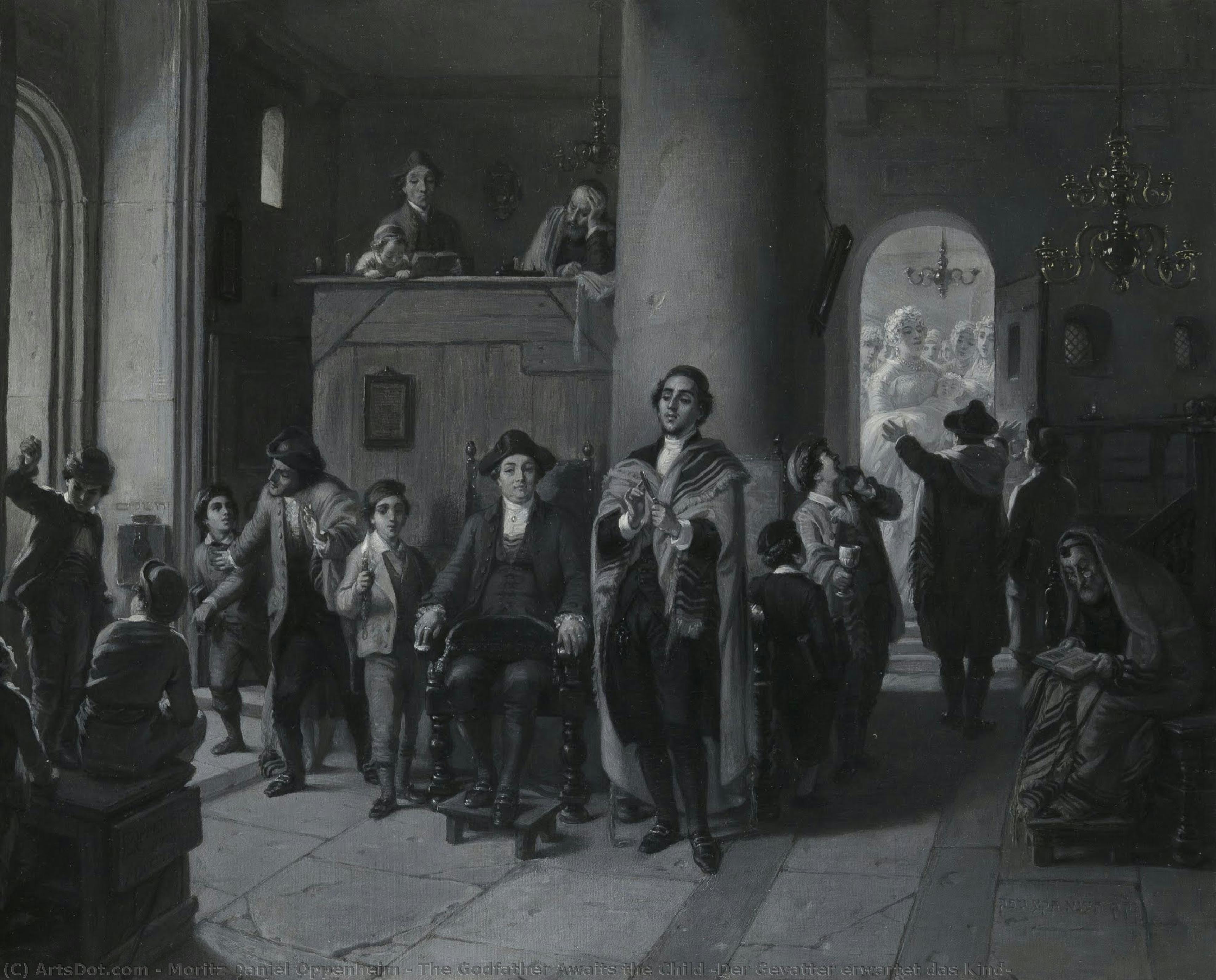
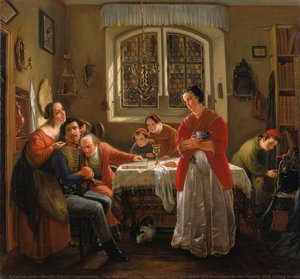
The Godfather Awaits the Child (Der Gevatter erwartet das Kind)
 Oil On Canvas
- WallArt
- German Romantic Painting
 1867
1867 55.0 x 68.0 cm
 The Jewish Museum
 詳細を見る
詳細を見る
ジークレー/アートプリント
迅速な制作と多彩な仕上げオプションを備えた、ミュージアムクオリティのジークレーまたはキャンバスプリント。 ( 手描きの絵画を購入 画像を購入)




P118B $10

P118H $10

P118W $10

P438Z $10

P508JH $12

P508YH $12

P805H $10

P805Z $10

P919BZ $10

P919G $10

P919XJ $10

P959ZH $10

P968JZ $12

W106C $8

W218G $10

W218JH $8

W218Y $10

W307PJ $10

W316G $10

W316PJ $8

W316Y $10

W398PJ $8

W4111J $10

W500HY $15

W500JH $15

W692G $12

W849H $8

W940BG $15

W953PJ $8




作品のオリジナル比率に合わせた、当店の規定サイズからお選びください。

特定のフレームやスペースに合わせて、ご自身でサイズを指定することも可能です。選択されたサイズが元の画像の比率と一致しない場合、作品をトリミングするか、鏡面反射または単色での塗りつぶしによって画像を拡張いたします。制作を開始する前に、ご確認用のデジタルモックアップをお送りいたします。
画面上のプレビューには、実際のトリミングや拡張は反映されませんのでご注意ください。最終的な構図を正確に確認できるのは、モックアップのみとなります。
カスタムサイズも承っておりますが、元の比率を維持するためには、あらかじめ用意されたリストからサイズを選択することをお勧めいたします。


 ガラスオプションは、110cm未満のサイズでのみご利用いただけます。

The Godfather Awaits the Child (Der Gevatter erwartet das Kind)
ジークレー/アートプリント
複製画のサイズ
-


合計金額
$ 62
作品詳細説明
A Window Into Jewish Tradition: Moritz Daniel Oppenheim’s “The Godfather Awaits the Child”
Moritz Daniel Oppenheim (1800-1882) stands as a singular figure in the annals of German art history – and indeed, Jewish artistic representation. Often hailed as the first Jewish painter to achieve widespread recognition within the mainstream artistic landscape, his oeuvre transcends mere biographical detail; it embodies a profound commitment to documenting and celebrating Jewish life and culture during the 19th century. His work wasn’t simply aesthetically pleasing; it served as a vital visual record of a community grappling with modernization while striving to preserve its traditions. Oppenheim's legacy rests not just on his artistic skill but on his courageous decision to portray scenes from everyday Jewish existence, offering invaluable insight into the period's social and spiritual atmosphere.The Scene: A Circumcision Ceremony in Frankfurt’s Synagogue
“The Godfather Awaits the Child,” painted in 1867, captures a pivotal moment in Jewish ritual – the circumcision ceremony (Brit Milah). Set within the venerable walls of an old synagogue in Frankfurt am Main, Oppenheim meticulously depicts this rite of passage, symbolizing rebirth and reaffirmation of Abraham’s covenant with God. The composition centers around a mohel—a Jewish officiant—who prepares his knife for the procedure, embodying solemn responsibility and tradition. Beside him sits the godfather, representing paternal guidance and support, awaiting the arrival of the newborn son. The painting skillfully portrays the emotional significance of this event, reflecting the deep connection between family and faith within Jewish culture.Style and Technique: Romantic Idealism Meets Observational Detail
Oppenheim’s artistic style aligns with German Romantic idealism, evident in the luminous golden light bathing the figures and conveying a sense of spiritual grandeur. However, he distinguishes himself through meticulous observation—a hallmark of his technique—resulting in remarkably realistic depictions of human anatomy and drapery. The artist employs oil paints on canvas, layering colors to achieve depth and texture, capturing subtle nuances of expression and gesture. This careful attention to detail elevates the painting beyond mere representation, imbuing it with palpable emotion and conveying a profound respect for the subject matter.Symbolism: Representing Faith and Family Values
The artwork is rich in symbolic elements that underscore its thematic core. The candle symbolizes life and the future for both the infant and the Jewish community, representing hope and spiritual illumination. Seven female figures—representing matriarchs of Judaism—present the newborn to the godfather, symbolizing maternal blessing and continuity of tradition. Furthermore, mischievous boys playfully interrupt the solemn ceremony, highlighting the vibrancy of childhood alongside the seriousness of religious observance. The inclusion of these elements reinforces Oppenheim’s intention to portray not just a ritual but also the values underpinning Jewish identity – piety, family unity, and remembrance of ancestral heritage.Emotional Impact: A Portrait of Tradition Preserved
“The Godfather Awaits the Child” transcends its formal depiction; it evokes a powerful emotional response in the viewer. The artist’s masterful use of light and color creates an atmosphere of reverence and solemn beauty, transporting us back to a time when Jewish traditions held sway. More than just documenting a ritual, Oppenheim succeeds in conveying the profound joy and spiritual significance associated with welcoming a new life into the fold—a testament to his artistic vision and enduring contribution to Jewish art history. It remains a poignant reminder of the importance of preserving cultural heritage while embracing the dynamism of modern life.関連作品
関連記事
Thomas Daniell: Navigating Light, Landscape & Cultural Exchange in Early 19th-Century India
Explore the captivating landscapes of Thomas Daniell, a pioneering artist who documented India's beauty in the 19th century. Discover his 'Oriental Scenery,' aquatint technique & lasting legacy. Hand-painted reproductions available at ArtsDot.
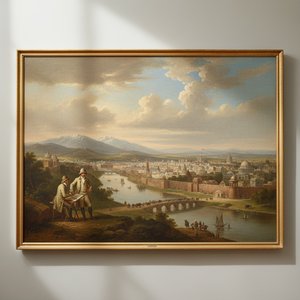
Panoramic Visions of Empire: The Daniells’ Artistic Collaboration & Legacy
Explore the captivating 'Oriental Scenery' by Thomas & William Daniell. Discover their pioneering aquatint prints of India, imperial context, artistic collaboration, and lasting legacy. A deep dive for history lovers.
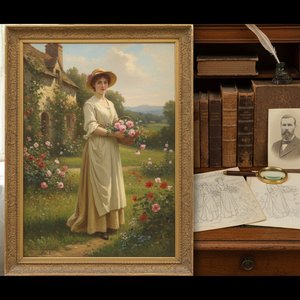
Daniel Ridgway Knight: A Study in Victorian Genre Painting & Rural Idealism
Explore the captivating world of Daniel Ridgway Knight, a master of Victorian genre painting. Discover his serene rural scenes, realistic technique & lasting influence on American Impressionism. Learn about his life, art, and collectibility.
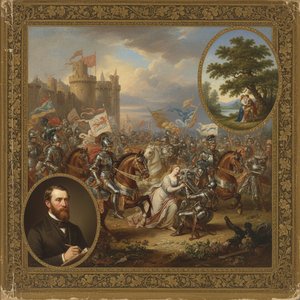
Daniel Maclise: Historical Narratives & Romantic Ideals in 19th-Century British Art
Explore the life & works of Daniel Maclise, a leading Victorian historical painter. Discover his captivating murals, Shakespearean scenes, and portraits at ArtsDot.com – handmade oil paintings & museum-quality prints.
Daniel Macnee: A Study in Early 20th-Century British Illustration & Style Evolution
Explore the life & work of Sir Daniel Macnee, a leading Scottish portrait and landscape painter. Discover his artistic evolution, influences, and legacy in 19th-century British art. Learn more at ArtsDot.

