

 プレビュー
プレビュー
 シェアする
シェアする シェアする
シェアする
 詳細を見る
詳細を見る

 ダウンロード
 似ている作品
 X線調査
X線調査 スライドショー
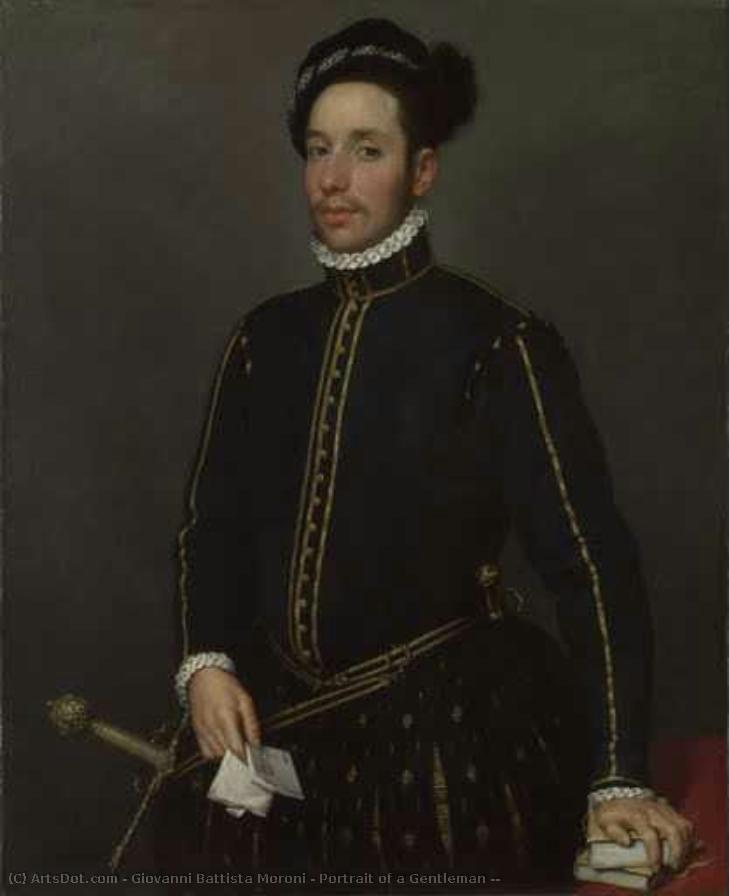
Portrait of a Gentleman (
 Oil On Canvas
- WallArt
- Mannerist Painting
 1564
1564 100.0 x 81.0 cm
 ナショナル・ギャラリー
 詳細を見る
詳細を見る
ジークレー/アートプリント
迅速な制作と多彩な仕上げオプションを備えた、ミュージアムクオリティのジークレーまたはキャンバスプリント。 ( 手描きの絵画を購入 画像を購入)




P118B $10

P118H $10

P118W $10

P438Z $10

P508JH $12

P508YH $12

P805H $10

P805Z $10

P919BZ $10

P919G $10

P919XJ $10

P959ZH $10

P968JZ $12

W106C $8

W218G $10

W218JH $8

W218Y $10

W307PJ $10

W316G $10

W316PJ $8

W316Y $10

W398PJ $8

W4111J $10

W500HY $15

W500JH $15

W692G $12

W849H $8

W940BG $15

W953PJ $8




作品のオリジナル比率に合わせた、当店の規定サイズからお選びください。

特定のフレームやスペースに合わせて、ご自身でサイズを指定することも可能です。選択されたサイズが元の画像の比率と一致しない場合、作品をトリミングするか、鏡面反射または単色での塗りつぶしによって画像を拡張いたします。制作を開始する前に、ご確認用のデジタルモックアップをお送りいたします。
画面上のプレビューには、実際のトリミングや拡張は反映されませんのでご注意ください。最終的な構図を正確に確認できるのは、モックアップのみとなります。
カスタムサイズも承っておりますが、元の比率を維持するためには、あらかじめ用意されたリストからサイズを選択することをお勧めいたします。


 ガラスオプションは、110cm未満のサイズでのみご利用いただけます。

Portrait of a Gentleman (
ジークレー/アートプリント
複製画のサイズ
-


合計金額
$ 62
A Portrait of Renaissance Grace: Giovanni Battista Moroni’s “Portrait of a Gentleman”
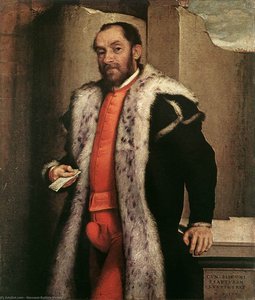
Giovanni Battista Moroni's "Portrait of a Gentleman," painted circa 1564-65, is more than just a likeness; it’s a carefully constructed tableau of status, intellect, and the burgeoning humanist ideals of the Italian Renaissance. This captivating work, currently residing within the National Gallery in London, offers a rare glimpse into the world of a wealthy Florentine gentleman – a man defined not merely by his appearance but by the subtle gestures and symbolic details woven throughout the composition.
Moroni’s mastery lies in his ability to imbue a portrait with a remarkable sense of realism. He eschews the idealized, often stiff poses favored by earlier generations, instead presenting a figure caught in a moment of quiet contemplation. The gentleman, dressed in the dark, richly textured fabrics characteristic of Florentine nobility – a velvet coat adorned with gold braid and a meticulously tailored doublet – exudes an air of understated confidence. His posture is relaxed yet dignified, his gaze direct and engaging, drawing the viewer into his world.
The Language of Symbolism
Beyond the immediate visual appeal, “Portrait of a Gentleman” is rich in symbolic language. The most prominent element, undoubtedly, is the sword resting casually on the chair beside him – a potent emblem of gentlemanly virtue and civic responsibility. Its placement suggests not aggression or martial prowess, but rather a readiness to defend honor and uphold justice. The open book in his hand further reinforces this intellectual dimension; it’s a volume likely containing classical texts, reflecting the gentleman's engagement with philosophy, literature, and the arts – hallmarks of Renaissance humanism.
Notice also the letter addressed “al…Sig” (To Lord), partially obscured but hinting at an important correspondence. This detail speaks to the gentleman’s social standing and involvement in civic affairs. The inclusion of a small lion paw—a symbol of strength, courage, and nobility—adds another layer of meaning, subtly elevating the subject's status.
A Master of Mannerism
Moroni was a pivotal figure within the Mannerist movement, a style that emerged in Italy during the late 15th and early 16th centuries. Unlike the High Renaissance’s emphasis on balance and harmony, Mannerism embraced elegance, artificiality, and a heightened sense of drama. Moroni's work exemplifies these characteristics through his elongated proportions, subtly distorted features, and a masterful manipulation of light and shadow. The painting’s subdued palette—dominated by deep browns, blacks, and golds—contributes to its overall atmosphere of refined sophistication.
His technique is characterized by rapid brushwork and a remarkable ability to capture the texture of fabrics and the nuances of human expression. Moroni's skill in rendering light creates a sense of depth and volume, while his use of sfumato—a subtle blurring of edges—softens the forms and contributes to the painting’s dreamlike quality.
A Window into 16th-Century Florence
“Portrait of a Gentleman” offers a valuable window into the social and cultural landscape of 16th-century Florence. It reflects the city's prominence as a center of art, commerce, and intellectual life during the Renaissance. Moroni’s portrait captures not only the appearance but also the values and aspirations of a wealthy Florentine gentleman – a man who valued education, civic engagement, and the pursuit of beauty.
Reproductions of this iconic work continue to captivate viewers today, offering an enduring testament to Moroni's artistic genius and his profound understanding of human nature. Its quiet dignity and subtle symbolism resonate across centuries, reminding us of the timeless appeal of a well-crafted portrait that speaks volumes about its subject.
関連作品
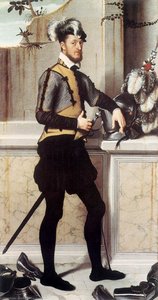
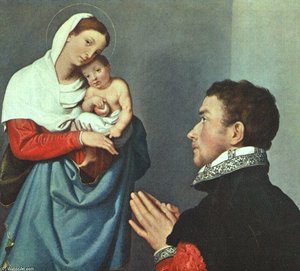
アーティストの略歴
ジョヴァンニ・バッティスタ・モローニ:その生涯と遺産
幼少期と修業の時代
1520年、イタリアのベルガモ近郊にあるアルビノにて、ジョヴァンニ・バッティスタ・モローニ(ジャンバッティスタ・モローニとしても知られる)は産声を上げました。建築家であった父アンドレア・モローニの存在は、芸術的才能が開花するための豊かな土壌となりました。彼はブレシアにおいて、アレッサンドロ・ボンヴィチーノ(モレットとして親しまれた巨匠)のもとで最初の研鑽を積みました。この初期の徒弟修行こそが、彼の卓越した技術力と、ルネサンス絵画の精緻な技法に対する深い理解の礎となったのです。
芸術的発展と受けた影響
モローニの芸術的な旅路は、トレントやベルガモといったイタリアの様々な都市を巡ることとなりました。その歩みにおいて決定的な瞬間が訪れたのは、トレント滞在中のことでした。そこで彼は、巨匠ティツィアーノや伯爵司教クリストフォロ・マドルッツォとの出会いを果たします。ティツィアーノから受けた影響は、モローニの色彩感覚や、光を操る洗練された手法の中に鮮明に刻み込まれています。初期には古典的なルネサンス様式の影響を強く受けていたものの、彼は次第に、優雅さと写実性を兼ね備えた独自のマネリスム的アプローチを確立させていきました。
作品の核心をなす特徴
- 肖像画:モローニの名声は、主に地元の貴族や聖職者を描いた肖像画によって支えられています。彼の描く人物像は、単なる外見の模写に留まりません。それは人物の品格と心理的な深淵を捉えた、洞察に満い人物研究そのものなのです。
- 写実主義と自然主義:彼は自然主義的な技法と細部への鋭い眼差しを用い、肖像画の中に、まるでそこに存在しているかのような即時性と臨場感を生み出しました。
- 銀色を帯びた色調:モローニの絵画を際立たせているのは、光と影の繊細な階調によって描き出される、うっとりとするような美しい銀色のトーンです。
- 宗教画:肖像画ほど多くはありませんが、モローニは宗教的な主題を描いたキャンバスも残しています。これらの作品には、クアトロチェント(15世紀)後期の構成を彷彿とさせる、より古風な様式が見て取れます。
語り継がれる名作たち
モローニの代表作として、以下の作品が挙げられます:
- 仕立屋(The Tailor):現在ロンドンのナショナル・ギャラリーに収蔵されているこの作品は、日常の営みと人物の個性を写実的に描き出す彼の真骨頂を示す傑作です。
- ジャン・ロドヴィーコ・マドルッツォ:権威と内省的な精神性の両面を見事に捉えた、非常に印象的な肖像画です。
- ベルガモの貴族たちの数多くの肖像画は、16世紀社会の貴重な視覚的記録として、今なお私たちに歴史を伝えています。
歴史的意義と受け継がれるもの
ジョヴァンニ・バッティスタ・モローニの作品は、イタリア美術史において極めて重要な地位を占めています。彼は盛期ルネサンスの理想と、台頭しつつあったマネリスム様式の架け橋となり、優雅でありながら心理的な説得力を持つ肖像画を生み出しました。その影響は、被写体の本質を捉える手腕に敬意を払ったフラ・ガルガリオやピエトロ・ロンギといった後世の画家たちへと受け継がれていきました。今日、彼の作品はウフィツィ美術館やナショナル・ギャラリーといった世界的な美術館に展示され、時代を超えて芸術愛好家や研究者たちの心を捉え続けています。
結びに代えて
モローニの遺産とは、肖像画を単なる「再現」の域から高めたその手腕にあります。彼は作品に人間味と心理的な奥行きを吹き込み、それが数世紀を経た今もなお、観る者の心に深く響き続けているのです。彼の絵画は、16世紀イタリアの生活と個性の断片を私たちに垣間見せ、チェンクエチェント(16世紀)を代表する巨匠としての地位を揺るぎないものとしています。
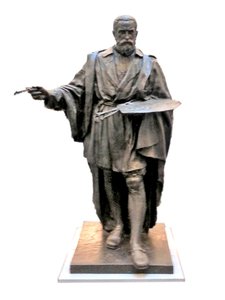
ジョヴァンニ・バッティスタ・モローニ
1520 - 1578
基本情報
- Birth Date: 1520年
- Birth Place: イタリア、アルビーノ
- Death Date: 1578年
- Influenced:
- フラ・ガルガリオ
- ピエトロ・ロンギ
- Influenced By: ティツィアーノ、アレッサンドロ・ボンヴィチーノ
- Movement: マニエリスム
- Name: ジョヴァンニ・バッティスタ・モローニ
- Nationality: イタリア人
- Notable Works:
- 仕立て屋
- ジャン・ロドヴィーコ・マドルッツォ
関連記事
The Enduring Legacy of Formal Portraiture: Power, Identity & Artistic Exploration
Explore the rich history of formal portraiture & its enduring power to capture identity and shape perception. Discover investment-worthy artworks, expert appraisals, and custom reproduction services at ArtsDot.
Giovanni Boldini: A Study in Belle Époque Portraiture & the Cult of Personality
Explore the captivating world of Giovanni Boldini, master of Belle Époque portraiture. Discover his signature style, iconic works like 'Miss Bell,' and lasting influence on art history. Expert analysis for collectors.
The Grandeur of Presence: Exploring Representations of Stately Bearing in Western Portraiture
Explore the art of stately bearing in Western portraiture with expert analysis of Renaissance & Baroque masterpieces. Discover symbolism, techniques, and the legacy of iconic portraits – a guide for discerning collectors.
Giovanni Giacometti: Sculpting Existentialism – A Study of Form, Space, and the Human Condition
Explore the profound artistic journey of Giovanni Giacometti, father to Alberto. Discover his unique transition from Surrealism to Existentialist sculpture and painting – a compelling study for elite collectors and art enthusiasts.
Giovanni Battista Piranesi: Visionary of Ruins & Architect of Imagination
Explore the life & work of Giovanni Battista Piranesi, master etcher of Roman views & creator of the haunting 'Carceri d'Invenzione'. Discover his architectural vision and lasting influence on art history.

