

 プレビュー
プレビュー
 プリントを購入
 シェアする
シェアする シェアする
シェアする
 詳細を見る
詳細を見る

 ダウンロード
 似ている作品
 X線調査
X線調査 スライドショー
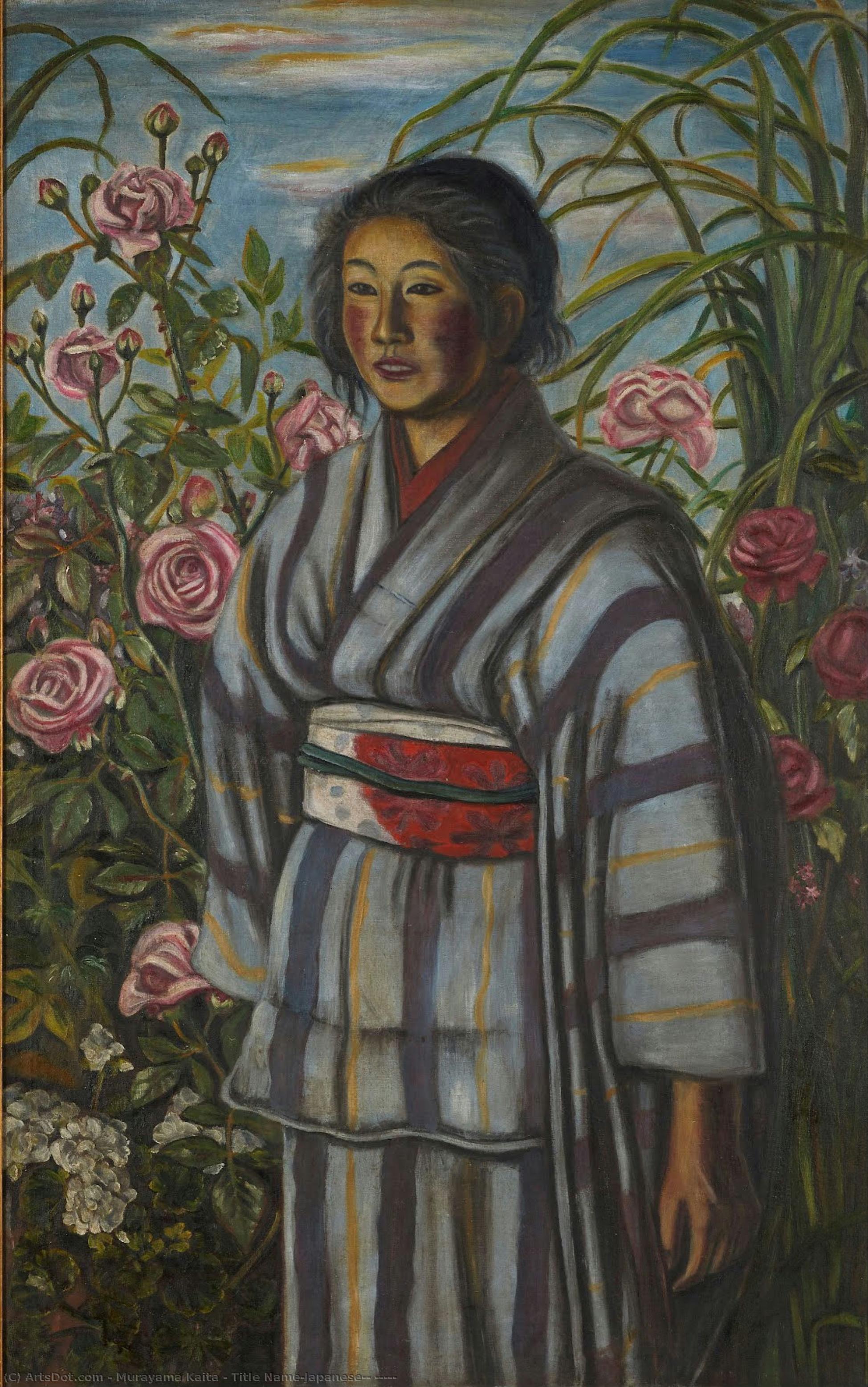
Title Name(Japanese): バラと少女
 72.0 x 116.0 cm
 詳細を見る
詳細を見る




































作品のオリジナル比率に合わせた、当店の規定サイズからお選びください。

特定のフレームやスペースに合わせて、ご希望のサイズをご入力いただけます。選択されたサイズが元の画像の比率と異なる場合、アートワークをトリミングするか、手描きで要素を追加して絵画を拡張いたします。デジタルモックアップ を制作し、制作開始前にご確認(承認)をいただきます。
画面上のプレビューは、実際のトリミングや拡張を正確に反映しているものではありません。最終的な構図は、モックアップによってのみ正確にご確認いただけます。
カスタムサイズもご利用いただけますが、元の比率を維持するためには、あらかじめ用意されたリストからサイズを選択することをお勧めいたします。
ご注文後、ArtsDot.com チームより詳細な指示をお送りするとともに、仕上がりイメージ(モックアップ)をご提供いたします。


 ガラスオプションは、110cm未満のサイズでのみご利用いただけます。

Title Name(Japanese): バラと少女
複製技法
複製画のサイズ
-


合計金額
$ 263
関連作品





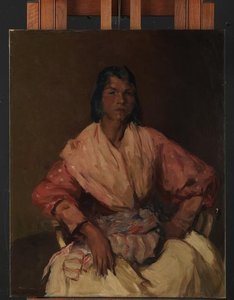

アーティストの略歴
John Everett Millais: A Pre-Raphaelite Pioneer of Light and Nature
Born in Southampton, England, on June 8th, 1829, John Everett Millais was a figure of remarkable early promise, quickly establishing himself as one of the most significant artists of his generation. His life, tragically cut short at the age of 67, coincided with the vibrant and revolutionary emergence of the Pre-Raphaelite Brotherhood – a movement that profoundly shaped the course of British art. Millais’s journey was marked by both prodigious talent and personal complexities, ultimately leaving behind a legacy defined by his exquisite depictions of nature, poignant narratives, and a unique approach to color and light.
Millais's artistic education began at an unusually young age. His father, a successful saddler, recognized his son’s exceptional abilities and secured him a place at the Royal Academy Schools in London in 1840 – a feat rarely achieved by anyone so young. This early immersion into formal training provided a foundation, but Millais quickly surpassed conventional academic methods, developing a distinctive style rooted in observation and a deep connection to the natural world. Influenced by the Romantic ideals of his time, particularly the works of artists like William Turner, he sought to capture the essence of beauty not through idealized representations, but through meticulous detail and an almost scientific approach to rendering light and atmosphere.
The formation of the Pre-Raphaelite Brotherhood in 1848 was a pivotal moment in Millais’s career. Alongside William Holman Hunt and Dante Gabriel Rossetti, he sought to reject the prevailing artistic conventions of the Royal Academy, which they viewed as overly polished and artificial. The brotherhood championed a return to the art of the early Renaissance – particularly that of Giotto and the Umbrian masters – believing it offered a more truthful and spiritually resonant representation of reality. This commitment to authenticity manifested in their shared studio at 83 Gower Street, where they experimented with new techniques, including collaborative painting and the use of watercolors as a primary medium. Millais’s early works, such as *Isabella* (1848-9) and *Ophelia* (1851-2), became iconic examples of Pre-Raphaelite style, characterized by their luminous colors, intricate detail, and evocative storytelling.
The Creation of ‘Ophelia’ and the Controversy
Perhaps Millais's most famous painting, *Ophelia*, remains a cornerstone of the Pre-Raphaelite movement. Commissioned for a series of illustrations in Tennyson’s poem *Ophelia*, the work depicts the tragic heroine from Shakespeare’s play drowning in a stream, surrounded by water lilies and wildflowers. The scene was meticulously observed – Millais spent months sketching the model, Elizabeth Siddal, immersed in a bathtub filled with real water, creating an astonishingly realistic portrayal of the subject's vulnerability and despair.
However, *Ophelia* also sparked considerable controversy upon its exhibition at the Royal Academy in 1852. Critics were divided: some lauded Millais’s technical skill and evocative imagery, while others condemned the painting as morbid, unsettling, and overly sentimental. The depiction of a young woman's death was deemed shocking by many, particularly given the prevailing Victorian sensibilities surrounding female mortality. The advertisement for Pears soap that utilized a cropped image of *Ophelia* further fueled the debate, highlighting the commercial potential of Pre-Raphaelite art – a development that would later complicate Millais’s reputation.
A Shift Towards Realism and Portraiture
Despite the initial controversy surrounding *Ophelia*, Millais continued to evolve as an artist throughout his career. By the mid-1850s, he began to move away from the overtly symbolic and narrative style of his early Pre-Raphaelite works, embracing a more direct and realistic approach to painting. He sought to capture the beauty of everyday life – particularly in scenes of childhood and rural landscapes – with an unprecedented level of detail and accuracy.
This shift is evident in paintings such as *Christ in the House of His Parents* (1851-2), a monumental work depicting Jesus assisting his mother Mary in their carpentry workshop, and *Autumn Leaves* (1856), which showcases Millais’s mastery of capturing the fleeting beauty of autumn foliage. He also established himself as a successful portrait painter, creating elegant and intimate portraits of prominent figures including Gladstone, Tennyson, and Carlyle. His ability to capture not only physical likeness but also personality and character made him one of the most sought-after artists of his day.
Later Life and Legacy
Millais’s personal life was intertwined with artistic circles and marked by a complex relationship with Effie Chalmers, Ruskin's former wife. Their marriage in 1856, despite initial enthusiasm, ultimately proved unhappy, contributing to the evolving perception of Millais as an artist who had compromised his ideals for commercial success. Despite this narrative, Millais continued to produce significant works throughout his later years, solidifying his place as a major figure in Victorian art.
John Everett Millais died on August 13th, 1896, at the age of 67, leaving behind a vast and diverse body of work. His paintings continue to be admired for their technical brilliance, evocative beauty, and profound engagement with the natural world. Millais’s influence extends far beyond the Pre-Raphaelite movement, shaping the development of landscape painting and inspiring generations of artists. He remains a testament to the power of observation, the pursuit of artistic authenticity, and the enduring appeal of capturing the fleeting moments of beauty in life.
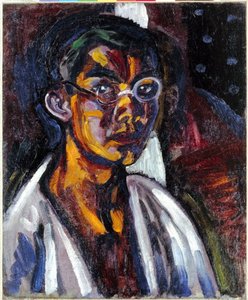
murayama kaita
1896 - 1919 , Japan
基本情報
- Artistic Movement Or Style: Pre-Raphaelite
- Artists Or Movements Influenced By This Artist: ['Pre-Raphaelite Brotherhood']
- Artists Who Influenced This Artist:
- William Holman Hunt
- Dante Gabriel Rossetti
- Date Of Birth: June 8, 1829
- Date Of Death: August 13, 1896
- Full Name: John Everett Millais
- Nationality: English
- Notable Artworks:
- Ophelia
- Christ in the House of His Parents
- Place Of Birth: Southampton, England

