 プレビュー
プレビュー
 シェアする
シェアする シェアする
シェアする
 詳細を見る
詳細を見る

 ダウンロード
 似ている作品
 X線調査
X線調査 スライドショー
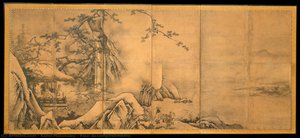
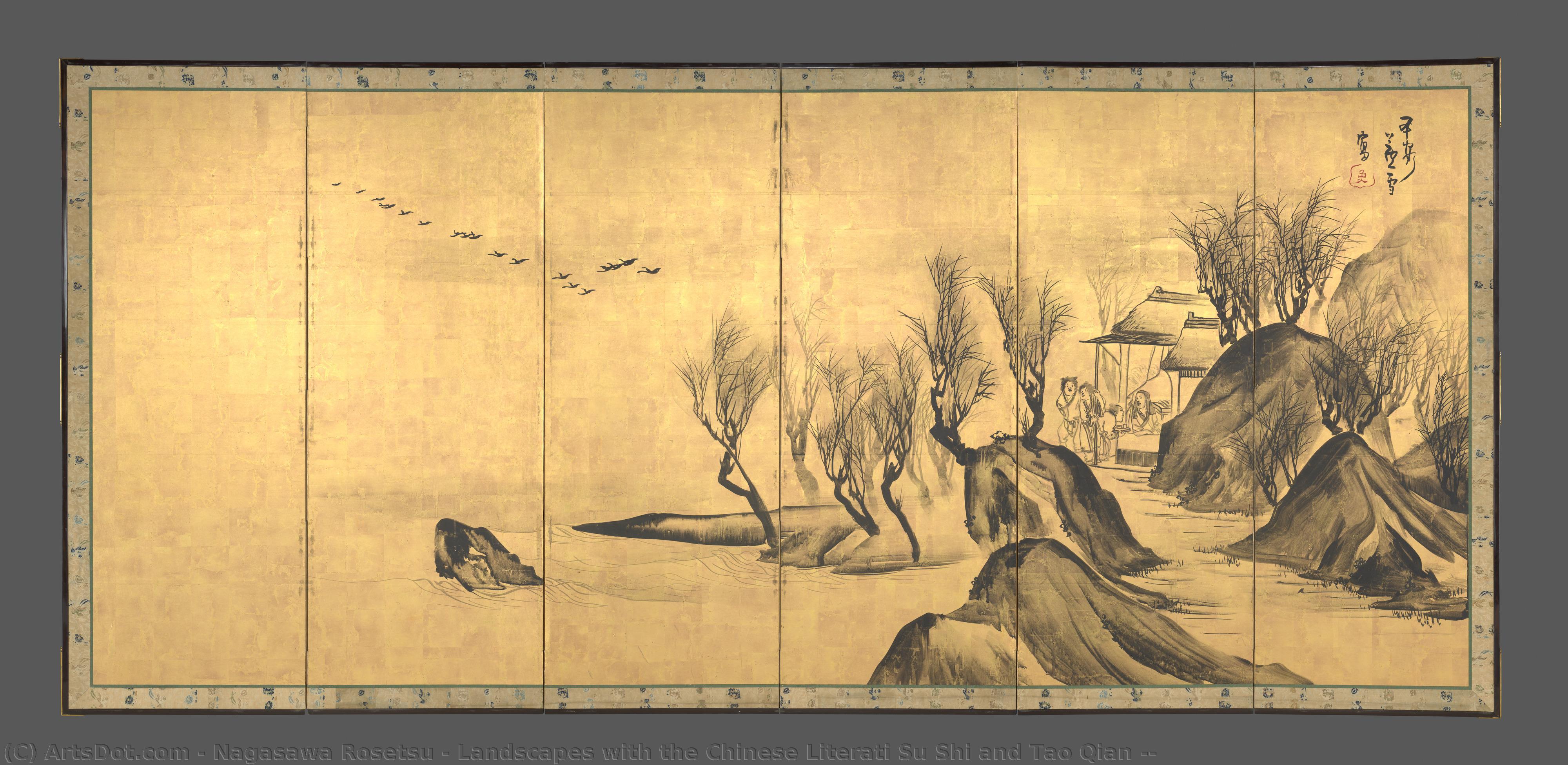
Landscapes with the Chinese Literati Su Shi and Tao Qian
 1795
1795 171.0 x 373.0 cm
 詳細を見る
詳細を見る
ジークレー/アートプリント
迅速な制作と多彩な仕上げオプションを備えた、ミュージアムクオリティのジークレーまたはキャンバスプリント。 ( 手描きの絵画を購入 画像を購入)




































標準サイズ
オーダーメイド
CM
INCH
作品のオリジナル比率に合わせた、当店の規定サイズからお選びください。
Loading sizes...

幅
高さ
特定のフレームやスペースに合わせて、ご自身でサイズを指定することも可能です。選択されたサイズが元の画像の比率と一致しない場合、作品をトリミングするか、鏡面反射または単色での塗りつぶしによって画像を拡張いたします。制作を開始する前に、ご確認用のデジタルモックアップをお送りいたします。
画面上のプレビューには、実際のトリミングや拡張は反映されませんのでご注意ください。最終的な構図を正確に確認できるのは、モックアップのみとなります。
カスタムサイズも承っておりますが、元の比率を維持するためには、あらかじめ用意されたリストからサイズを選択することをお勧めいたします。


 ガラスオプションは、110cm未満のサイズでのみご利用いただけます。

Landscapes with the Chinese Literati Su Shi and Tao Qian
ジークレー/アートプリント
複製画のサイズ
-


合計金額
$ 62
The forbidding precipice painted on the left screen suggests a site on the Yangzi River where the Chinese poet Su Shi, also known as Dongpo (1037–1101), composed his famous “Ode on the Red Cliff.” The gentler scene on the right screen, depicting a scholar and attendants in a hut in a willow grove, is meant to represent the Chinese poet-recluse Tao Qian, or Tao Yuanming (365–472), at his country retreat. The artist seems to have set up an explicit contrast between the two scenes—Su’s forced exile (wild) against Tao’s self-imposed exile (calm). Born to a samurai-class family near the capital, Nagasawa Rosetsu chose the life of a painter, studying in the Kyoto studio of Maruyama Ōkyo (1733–1795). Labeled one of the “Three Eccentrics” of the Edo period, he often exhibited a turbulent, bravura brush style and unconventional treatment of subject matter.