

 プレビュー
プレビュー
 プリントを購入
 シェアする
シェアする シェアする
シェアする
 詳細を見る
詳細を見る

 ダウンロード
 似ている作品
 X線調査
X線調査 スライドショー
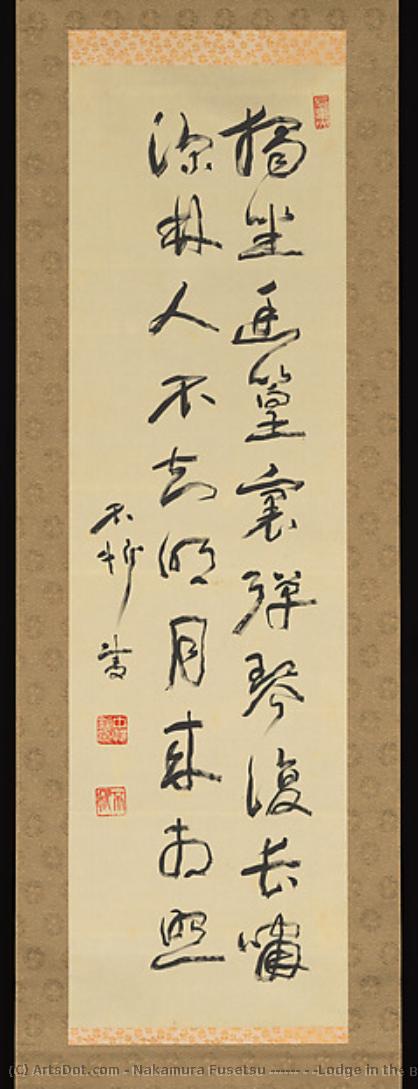
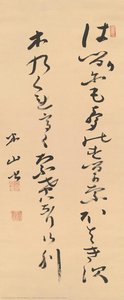
“Lodge in the Bamboo Grove,” a Poem by Wang Wei
 Ink On Paper
- WallArt
- Yōga
 1920
1920- Modern
 129.0 x 37.0 cm
 詳細を見る
詳細を見る
オンラインプレビューをはるかに凌ぐ、高解像度で鮮明なデジタル画像をご購入いただけます。
各ファイルは、社内の専門家が高度なツールと熟練した手作業によるレタッチを用いて、細心の注意を払って準備されています。すべての画像において、卓越した鮮明度、正確な色彩再現性、そして繊細なディテールを保証いたします。
最終ファイルは、プロフェッショナルな編集・印刷環境ですぐにご利用いただけるよう最適化された状態で、72時間以内にメールにてお届けいたします。これは、一流のデザインスタジオ、出版社、ギャラリーから信頼されているものと同等の品質です。
デジタル画像のご注文に付随する特典
高品質なデジタル画像配信を、確かな品質で。
ArtsDot.com を選ぶことは、単に画像を手に入れることではありません。それは、プロの手によって精密に仕上げられ、満足保証が付いた高品質なデジタルアートワークを受け取ることを意味します。ご注文いただいた際に自動的に付随する内容は、以下の通りです:

メールですぐにお届け
ご注文から72時間以内に、高解像度のデジタル画像ファイルがメールでお手元に届きます。すぐにそのままご利用いただけます。

AI技術で最適化されたデジタルファイル
お客様の作品は、高度なAIツールと専門家による手作業の編集を組み合わせてプロフェッショナルに最適化されており、細部のディテール、鮮明さ、そして正確な色再現性を最大限に引き出しています。

一生涯無料の再送サービス
ファイルを誤って削除したり、紛失してしまったりしましたか?ご安心ください。いつでも無料で再送いたします。

輸入手数料は一切かかりません
関税や手数料、配送料を気にすることなく、お気に入りのアートワークをすぐにお楽しみいただけます。デジタルダウンロードは常に免税です。

色彩再現の保証
プロ仕様のツールとカラーマネジメント技術を用いることで、デジタル画像が元の色を最大限に忠実に再現することを保証いたします。

100日間満足保証
ご購入いただいたデジタル画像にご満足いただけない場合は、100日以内であれば、修正または100%の返金(理由を問う必要はありません)をさせていただきます。

100% 返金保証
ご満足いただけない場合は、デジタルファイルを受け取ってから100日以内であれば、理由を問わず全額返金いたします。

まとめ買い割引
3枚購入で10%OFF - 5枚購入で15%OFF - 10枚以上購入で20%OFF。クリエイティブなプロジェクト、ギャラリー、エージェンシーに最適です。
A Glimpse into Zen Serenity: Nakamura Fusetsu’s “Lodge in the Bamboo Grove”
- Artist: nakamura fusetsu (中村不折)
- Date: 1920
- Dimensions: 129 x 37 cm
Nakamura Fusetsu’s “Lodge in the Bamboo Grove” is a captivating Japanese calligraphy scroll that embodies tranquility and artistic refinement. Created in 1920, this piece showcases a poem by the renowned Tang-dynasty poet Wang Wei, rendered with exquisite skill and imbued with profound meaning.
The Poem & Its Zen Aesthetic
At the heart of this artwork lies a quatrain by Wang Wei, a celebrated figure in Chinese literature known for his fusion of poetry and Taoist philosophy. The poem, transcribed in elegant semi-cursive script across two columns, speaks of solitude, nature, and the quiet communion with the moon:
独坐幽篁裏
弾琴復長嘯
深林人不知
明月来相照
Translation: I sit alone in a secluded bamboo grove, Plucking the zither and intoning poems. No one knows I dwell deep in the forest. Only the brilliant moon comes to join me when it shines.
This poem resonated deeply within Japanese culture, becoming an expression of Zen aesthetic priorities. The imagery of a solitary figure finding solace in nature, accompanied only by the moonlight, evokes a sense of peace and detachment from worldly concerns – core tenets of Zen Buddhism. Notably, the term “changxiao” (長嘯), meaning "transcendental whistling," originally referred to an ancient Daoist practice with spiritual significance, later adopted in Japan to signify composing and reciting poetry.
Artistic Technique & Influences
Fusetsu’s calligraphy demonstrates a masterful command of brushwork. Drawing inspiration from the semi-cursive and cursive scripts of Jin-dynasty Chinese masters (3rd – 4th century), he meticulously crafted each character, ensuring individuality in every stroke. He employed a technique of constantly rolling the brush tip, creating tremulous lines that add dynamism to the composition. A unique element is his deliberate exposure of the underlying paper within certain strokes—achieved by varying pressure on the brush—resulting in textured passages that enhance visual depth and interest. This interplay of dark ink and lighter paper creates a captivating contrast while maintaining an overall consistent ink tone, showcasing Fusetsu’s exceptional control over his medium.
Historical Context & The Artist
Nakamura Fusetsu (1866-1943) was a prominent figure in prewar Japan, celebrated as both a calligrapher and an oil painter. He received traditional training in Chinese calligraphy and literati painting from his youth before expanding his artistic horizons by studying oil painting with European masters Raphaël Collin and Jean-Paul Laurens in Paris. A devoted collector of Chinese calligraphy, Fusetsu’s work reflects this deep appreciation for Eastern artistic traditions. His legacy extends beyond his own creations; he established the Shodō Hakubutsukan (Museum of Calligraphy), now part of the Taitō City Calligraphy Museum, dedicated to preserving and exhibiting Japanese calligraphy.
Symbolism & Emotional Impact
“Lodge in the Bamboo Grove” transcends mere textual representation. It is a visual poem that evokes feelings of tranquility, contemplation, and harmony with nature. The serene brushwork, combined with the evocative imagery of Wang Wei’s verse, creates an atmosphere of quiet introspection. This artwork serves as a powerful reminder of the beauty found in solitude and the enduring connection between art, poetry, and spiritual practice.
関連作品
作家の略歴
A Life Dedicated to Brush and Ink: The World of Nakamura Fusetsu
Nakamura Fusetsu (中村不折, born Sakutarō on August 19th, 1866 in Tokyo – died June 6th, 1943 in Tokyo) stands as a compelling figure bridging the traditional and modern currents within Japanese art. He wasn’t merely a painter; he was a dedicated scholar of aesthetics, a masterful calligrapher, and a pivotal player in the development of *Yōga* – Western-style painting – during the Meiji and Taishō periods. Fusetsu's life unfolded against a backdrop of rapid modernization in Japan, a time when the nation actively sought to integrate aspects of Western culture while simultaneously preserving its rich artistic heritage. His journey reflects this complex negotiation, resulting in a unique synthesis that earned him recognition both within the Imperial Court and among progressive art circles.Early Training and the Embrace of Yōga
Fusetsu’s initial artistic education was steeped in traditional Japanese painting styles, particularly *Nanga* (literati painting), which emphasized expressive brushwork and poetic themes inspired by Chinese scholar-artists. However, he quickly became fascinated with Western art techniques upon their introduction to Japan during the Meiji Restoration. He studied under Kawai Gyokudō, a prominent figure in adapting Western oil painting methods for Japanese sensibilities. This early exposure proved transformative. Fusetsu wasn’t interested in simply replicating Western styles; instead, he sought to incorporate them into his existing artistic vocabulary, creating a hybrid approach that valued both realistic representation and the expressive qualities of traditional ink wash painting. He believed that *Yōga* could enrich Japanese art by offering new perspectives on light, shadow, and composition, while simultaneously preserving the spiritual depth inherent in Japanese aesthetics.A Court Painter and Artistic Refinement
Fusetsu’s talent soon garnered attention, leading to a prestigious appointment as a painter for the Imperial Household in 1890. This position afforded him access to exclusive patronage and opportunities to create works for the Imperial Family – a testament to his skill and the growing acceptance of *Yōga* within conservative circles. During this period, he focused on landscapes, often depicting serene scenes inspired by classical Chinese poetry and Japanese gardens. His paintings from this era are characterized by their meticulous detail, subtle color palettes, and an atmosphere of quiet contemplation. He wasn’t simply documenting nature; he was striving to capture its essence – the *ki* or vital energy that permeated all things. His work often featured bamboo groves, plum blossoms, and other motifs laden with symbolic meaning representing resilience, purity, and scholarly virtue.Calligraphy as an Integral Art Form
While celebrated for his paintings, Fusetsu considered calligraphy to be equally important – even foundational – to his artistic practice. He believed that the brushstrokes in calligraphy were a direct expression of the artist’s inner state, embodying *shodō* (the way of writing) and reflecting their spiritual cultivation. He studied various calligraphic styles, mastering both Japanese and Chinese traditions. His calligraphy wasn't merely decorative; it was an integral part of his paintings, often accompanying landscapes with poetic inscriptions that enhanced the overall meaning and emotional impact of the work.- The Interplay of Brushwork: Fusetsu seamlessly integrated painting and calligraphy, believing they were two sides of the same coin.
- Poetic Resonance: His calligraphic inscriptions often drew upon classical literature, adding layers of meaning to his landscapes.
- Spiritual Depth: He saw calligraphy as a path to self-cultivation and spiritual enlightenment.
Legacy and Historical Significance
Nakamura Fusetsu’s contribution to Japanese art lies in his successful fusion of Eastern and Western techniques. He demonstrated that *Yōga* wasn't simply an imitation of foreign styles but could be a powerful tool for artistic innovation, enriching the existing traditions while embracing new possibilities. His work helped pave the way for subsequent generations of Japanese artists who sought to bridge cultural divides and create uniquely modern forms of expression. Fusetsu’s serene landscapes and poetic calligraphy continue to resonate with audiences today, offering a glimpse into a world where artistic skill is intertwined with spiritual depth and a profound appreciation for the beauty of nature. He remains an important figure in understanding the complex evolution of Japanese art during a period of transformative change.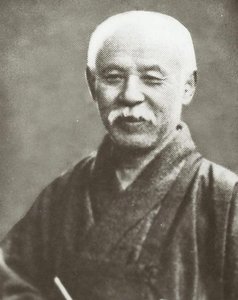
nakamura fusetsu (中村不折)
1866 - 1943 , Japan
プロフィール概要
- Artistic Movement Or Style: Yōga painting, Calligraphy
- Date Of Birth: August 19, 1866
- Date Of Death: June 6, 1943
- Full Name: Nakamura Fusetsu
- Nationality: Japanese
- Notable Artworks: ['Bamboo Grove paintings']
- Place Of Birth: Tokyo, Japan