Table of Contents
Quick Facts
- Died: 1241
- Lifespan: 79 years
- Born: 1162, Kyoto, Japan
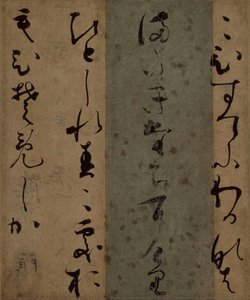
- Top-ranked work: Poem (Waka) Written on Shikishi Paper, known as Ogura-shikishi
- Art period: High Medieval
- Museums on APS: Tokugawa Art Museum
- More…
- Nationality: Japan
- Works on APS: 1
- Also known as: fujiwara teika
- Copyright status: Public domain
- Top 3 works: Poem (Waka) Written on Shikishi Paper, known as Ogura-shikishi
Related Articles

Hokusai's Masterpieces: 25 Iconic Prints & Paintings for Art Lovers | ArtsDot
Journey through Katsushika Hokusai’s 25 most iconic artworks, including *The Great Wave*. Explore the ukiyo-e master's history, style & timeless Japanese woodblock prints. Find museum-quality reproductions for your home at ArtsDot.com.

Floating World: The Captivating Art and Legacy of Japanese Ukiyo-e
Explore the profound beauty of Japanese Ukiyo-e. Discover the history, masters like Hokusai, and the enduring legacy of the 'Floating World' through an expert art-historical lens.
Utagawa Kuniyoshi: A Master of Japanese Ukiyo-e – Narrative Innovation & the Fusion of Tradition with Popular Culture
Explore the captivating world of Utagawa Kuniyoshi, a master of Japanese ukiyo-e woodblock prints. Discover his innovative warrior scenes, vibrant landscapes & lasting legacy in 19th-century art history.