

 プレビュー
プレビュー
 シェアする
シェアする シェアする
シェアする
 詳細を見る
詳細を見る

 ダウンロード
 似ている作品
 X線調査
X線調査 スライドショー
 Stats
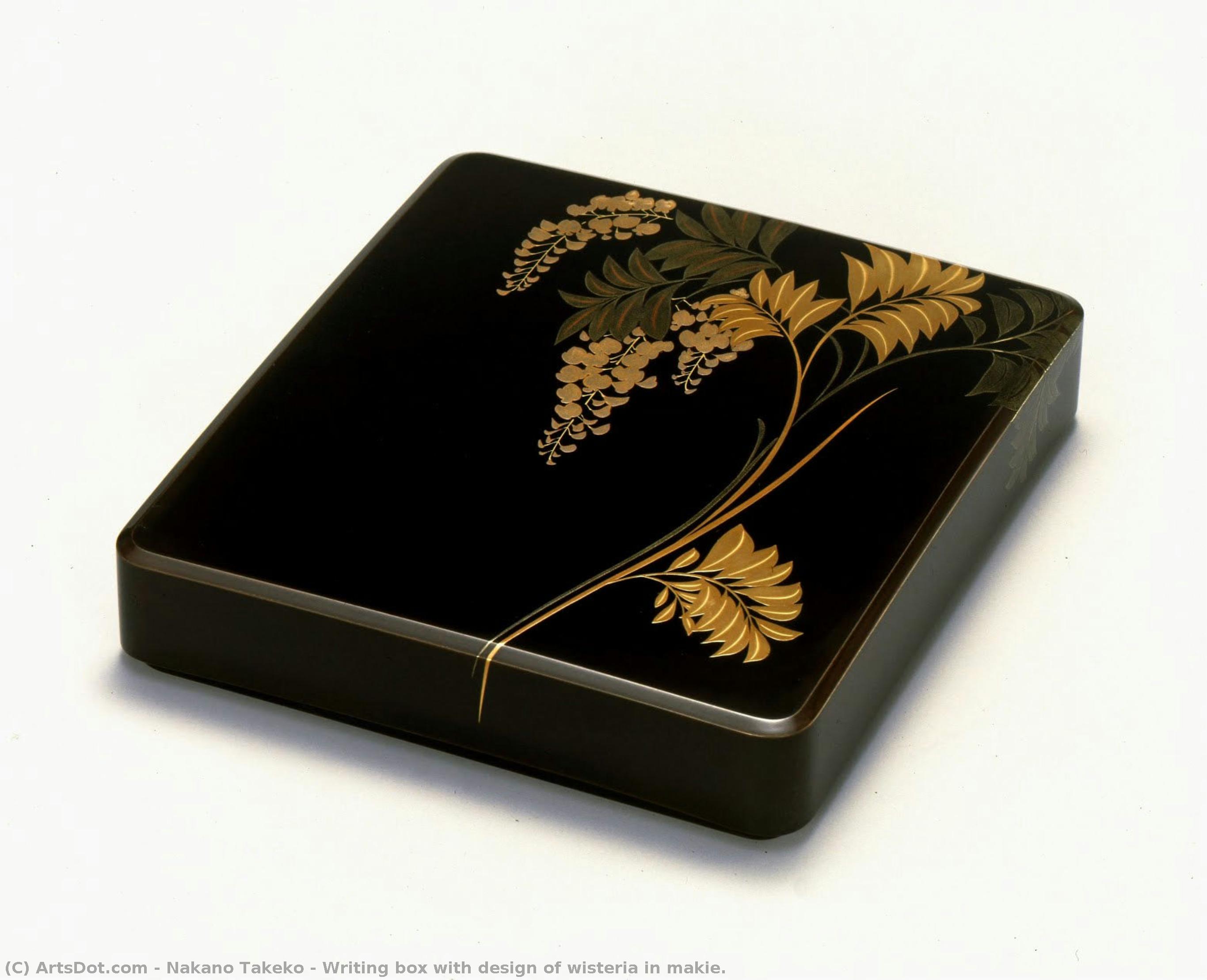
StatsWriting box with design of wisteria in makie.

 詳細を見る
詳細を見る
手描き油彩複製画
当社のアーティストが、お客様のご希望のサイズと額縁に合わせて、キャンバスに手描きで制作する油彩画です。 ( Switch to Print Switch to Digital Image)




































作品のオリジナル比率に合わせた、当店の規定サイズからお選びください。

特定のフレームやスペースに合わせて、ご希望のサイズをご入力いただけます。選択されたサイズが元の画像の比率と異なる場合、アートワークをトリミングするか、手描きで要素を追加して絵画を拡張いたします。デジタルモックアップ を制作し、制作開始前にご確認(承認)をいただきます。
画面上のプレビューは、実際のトリミングや拡張を正確に反映しているものではありません。最終的な構図は、モックアップによってのみ正確にご確認いただけます。
カスタムサイズもご利用いただけますが、元の比率を維持するためには、あらかじめ用意されたリストからサイズを選択することをお勧めいたします。
ご注文後、ArtsDot.com チームより詳細な指示をお送りするとともに、仕上がりイメージ(モックアップ)をご提供いたします。


 ガラスオプションは、110cm未満のサイズでのみご利用いただけます。

Writing box with design of wisteria in makie.
複製技法
複製画のサイズ
-


合計金額
$ 263
関連作品





アーティストの略歴
Early Life and Family Background
- Birth and Origins: Nakano Takeko, also known as Takesono Jiko, was born in Aizuwakamatsu, Japan, in April 1847.
- Family Lineage: Her father, Nakano Heinai, held a senior official position within the Aizu Domain. Her mother was Nakano Kōko, and she had siblings – a sister named Masako (Yūko) and a brother named Toyoki.
- Education and Upbringing: Takeko’s father was a scholar proficient in Japanese calligraphy and waka poetry, providing her with a cultured upbringing. She received education in martial arts from an early age alongside literary studies.
Martial Training and Artistic Pursuits
- Martial Arts Mastery: Nakano Takeko excelled in martial arts, specifically the Hasso-Shoken style of naginatajutsu (the art of wielding a Japanese polearm). She became a skilled warrior.
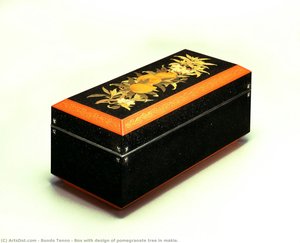
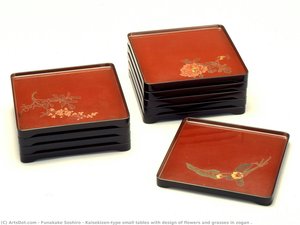
- Artistic Talent: Despite her renown as a warrior, Takeko also demonstrated artistic talent. She created *makie* lacquerware pieces, showcasing skill in this traditional Japanese technique.
- Notable Artwork: Her artwork includes items such as a tray with a bird design, a writing box adorned with wisteria, and a confectionery tray featuring grapevine motifs. These are now part of the collection at the Wajima Museum of Urushi Art in Japan.
Role in the Boshin War and Legacy
- Participation in Conflict: Nakano Takeko actively participated in the Boshin War, a civil conflict between supporters of the Tokugawa shogunate and those advocating for the Meiji emperor’s restoration.
- Formation of the Jōshitai: During the Battle of Aizu, she led an ad hoc corps of female combatants known as the Jōshitai (Girls' Army). This unit fought independently despite initial resistance from domain officials.
- Bravery and Dedication: She displayed exceptional bravery and dedication to her homeland during the war. Her actions inspired many, and she became a symbol of female empowerment.
- Death in Battle: Nakano Takeko died on October 16, 1868, during the Boshin War, fighting for the Aizu Domain.
Historical Significance and Remembrance
- Heroine of Aizu: Nakano Takeko is remembered as a heroine of the Aizu Domain. Her story has been retold through paintings, biographies, and other historical accounts.
- Symbol of Female Empowerment: She represents female empowerment in a traditionally male-dominated society. Her courage and leadership continue to inspire.
- Enduring Legacy: Her artwork remains admired by art lovers worldwide, while her martial prowess is celebrated as an example of strength and determination.
Artwork Collections
- Tray with design of a bird in makie
- Writing box with design of wisteria in makie
- Confectionery tray with design of grapevine in makie
- Table with design of Latin in saishitu
- Box with design of auspicious birds in makie
- Panel decorated with makie
- Box with design of flowers and birds in makie
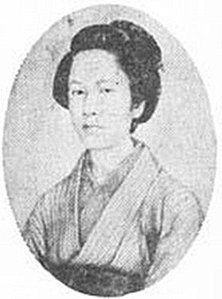
nakano takeko
1847 - 1868 , Japan
基本情報
- Artistic Movement Or Style: Makie lacquerware
- Date Of Birth: 1847
- Date Of Death: 1868
- Full Name: Nakano Takeko
- Nationality: Japanese
- Notable Artworks:
- Tray with a bird design
- Wisteria writing box
- Grapevine tray
- Box with auspicious birds
- Table with Latin design
- Place Of Birth: Aizu, Japan