 プレビュー
プレビュー
 プリントを購入
 シェアする
シェアする シェアする
シェアする
 詳細を見る
詳細を見る

 ダウンロード
 似ている作品
 X線調査
X線調査 スライドショー
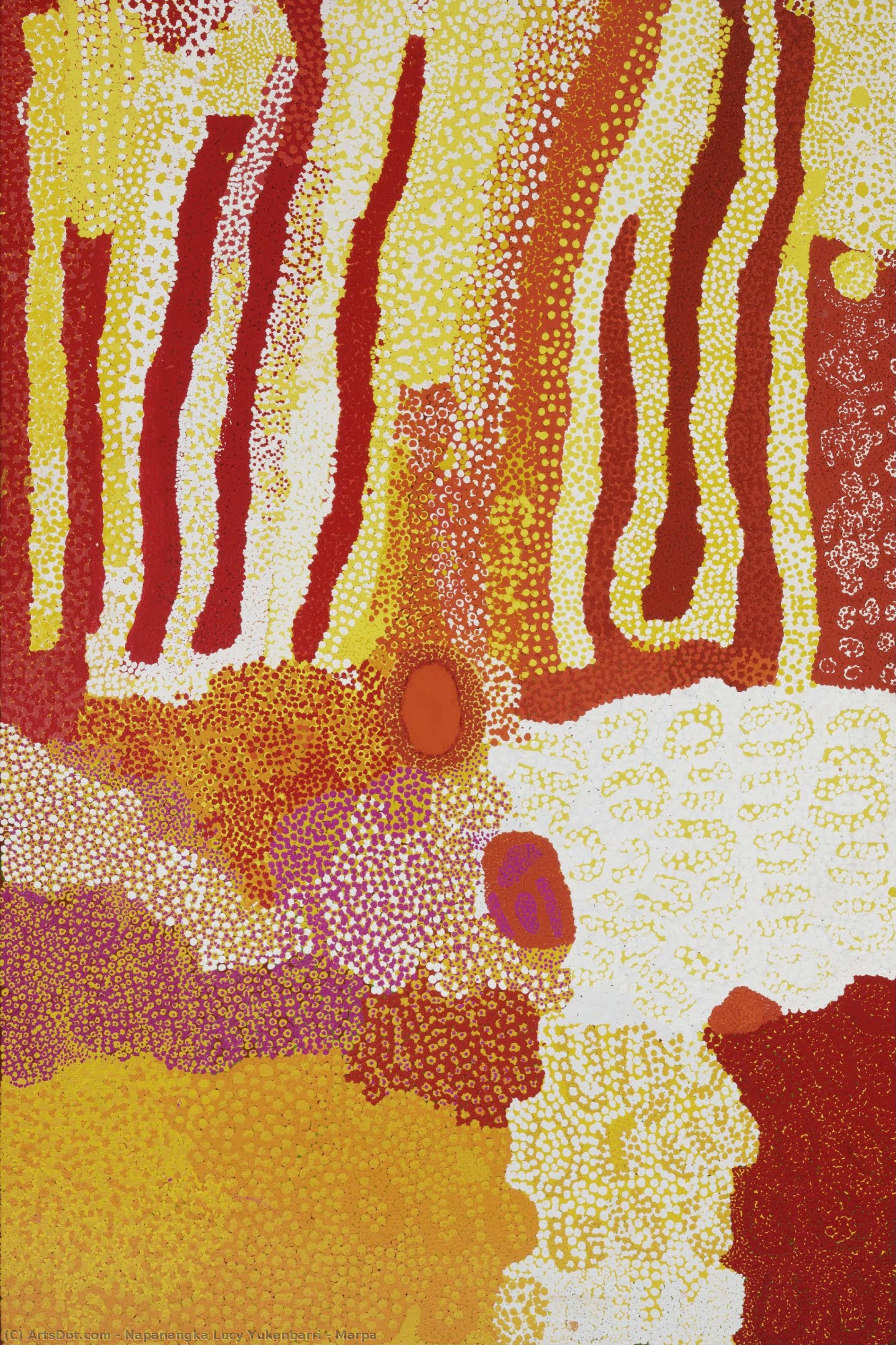
マルパ
 キャンバスにアクリル絵具
- ウォールアート
- Pointillist Aboriginal Art
 2001
2001 179.0 x 120.0 cm
 アートギャラリーオブニューサウスウェルス
 詳細を見る
詳細を見る




P118B $10

P118H $10

P118W $10

P438Z $10

P508JH $12

P508YH $12

P805H $10

P805Z $10

P919BZ $10

P919G $10

P919XJ $10

P959ZH $10

P968JZ $12

W106C $8

W218G $10

W218JH $8

W218Y $10

W307PJ $10

W316G $10

W316PJ $8

W316Y $10

W398PJ $8

W4111J $10

W500HY $15

W500JH $15

W692G $12

W849H $8

W940BG $15

W953PJ $8




作品のオリジナル比率に合わせた、当店の規定サイズからお選びください。

特定のフレームやスペースに合わせて、ご希望のサイズをご入力いただけます。選択されたサイズが元の画像の比率と異なる場合、アートワークをトリミングするか、手描きで要素を追加して絵画を拡張いたします。デジタルモックアップ を制作し、制作開始前にご確認(承認)をいただきます。
画面上のプレビューは、実際のトリミングや拡張を正確に反映しているものではありません。最終的な構図は、モックアップによってのみ正確にご確認いただけます。
カスタムサイズもご利用いただけますが、元の比率を維持するためには、あらかじめ用意されたリストからサイズを選択することをお勧めいたします。
ご注文後、ArtsDot.com チームより詳細な指示をお送りするとともに、仕上がりイメージ(モックアップ)をご提供いたします。


 ガラスオプションは、110cm未満のサイズでのみご利用いただけます。

マルパ
複製技法
複製画のサイズ
-


合計金額
$ 263
作品解説
マルパ、2001年 - ルシー・ユケンバリ・ナパンアンカ
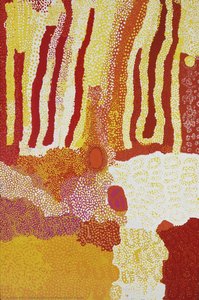
マルパは、オーストラリアのバルゴ・ヒルのアーティスト、ルシー・ユケンバリ・ナパンアンカが制作した作品です。この絵画は、バルゴ・ヒルの風景をモチーフにしています。特に重要なのは、彼女の祖母たちが住んでいた土地であるマルパという場所の名前です。この土地は、バルゴ・ヒルの人々にとって聖地であり、伝統的な儀式や物語が語られる場所として認識されています。ナパンアンカの作品は、その土地への深い繋がりと精神性を表現しており、見る人に感動を与えます。- 絵画スタイル: ポップアートの影響を受けた抽象絵画です。鮮やかな色彩と大胆な筆致が特徴で、バルゴ・ヒルの砂漠風景を効果的に表現しています。
- 技法: ナパンアンカの作品は、「キティ・キティ」と呼ばれる独特の手法を用います。「キティ・キティ」は、バルゴ・ヒルのアーティストたちが伝統的に用いる手法で、小さなドットを重ねて描くことで、砂漠の風景に奥行きとテクスチャを与えます。この技法は、ナパンアンカの作品に独特の雰囲気をもたらし、他のバルゴ・ヒルの絵画とは異なる印象を与えます。
- 色彩: 絵画全体を構成する主な色は赤、オレンジ、黄色です。これらの色は、バルゴ・ヒルの太陽と砂漠の色を反映しており、絵画に熱情的なエネルギーを感じさせます。特に赤いドットは、バルゴ・ヒルの人々が大切にする要素を表しており、絵画の象徴的な意味合いを高めています。
- モチーフ: 絵画の中心にはマルパという岩穴があります。この岩穴は、バルゴ・ヒルの人々にとって重要な水源であり、儀式を行う場所として認識されています。ナパンアンカは、この岩穴を絵画に描き込むことで、バルゴ・ヒルの土地と文化の伝統を表現しています。
関連作品

アーティストの略歴
A Tapestry of Earth and Spirit: The Legacy of Lucy Yukenbarri Napanangka
In the vast, sun-drenched expanse of the Great Sandy Desert, where the Canning Stock Route traces ancient paths toward Jupiter Well, the life of Lucy Yukenbarri Napanangka was deeply etched into the very fabric of the landscape. Born near Kiwirrkurra around 1934, Lucy was a senior custodian of profound knowledge, a woman whose spirit was inextricably linked to the waterholes and ancestral tracks of her country. As a member of the Napaltjarra skin group, her existence was shaped by the rhythms of the desert—the seasonal arrival of bush foods and the sacred ceremonies that maintained the balance of the world. Her early years were marked by a nomadic connection to sites such as Marpa, Piyulpa, and Wirtjinti, experiences that would later manifest on canvas not merely as scenery, but as living, breathing narratives of survival and spirituality.
Though she lived much of her life through traditional customs, Lucy’s emergence as a visual storyteller in the late 1980s marked a transformative moment for Aboriginal art. Beginning her painting journey around 1989 with the Warlayirti Artists, she did not merely adopt existing traditions; she interrogated them. Her initial works adhered to the established Balgo methods, utilizing rows of dots to form lines and outlines. Yet, beneath this conventional surface lay a restless, creative intellect. She moved through phases of experimentation, transitioning from linear patterns to single-color fields of dotting, always searching for a way to translate the immense density and spiritual weight of her country into a new visual language.
The Revolution of Kinti-Kinti
The true brilliance of Lucy Yukenbarri Napanangka lies in her revolutionary invention of the kinti-kinti style. Meaning “close-close,” this technique represented a radical departure from the more spaced, rhythmic dotting common in Western Desert art. In an act of profound technical courage, Lucy began to paint her dots with such extreme proximity that they ceased to be individual points and instead converged into dense, vibrating masses of pigment. This method created a mesmerizing, almost sculptural texture on the canvas, where the heavy application of paint caught the light and gave the surface a luminous, tactile quality.
This innovation was not merely an aesthetic choice but a symbolic one. By compressing the dots, she captured the concentrated essence of the desert—the way life clusters around a vital soakage or how the heat of the sun presses down upon the earth. Her palette was equally distinctive; while many artists utilized bright, contrasting colors, Lucy explored the profound depths of dark greens, blues, and blacks. These hues allowed her to masterfully depict the visual mystery of waterholes and rock soaks, creating deep, obsidian-like icons that anchored her compositions. Through this technique, she achieved a sense of depth and atmosphere that was entirely unique within the Balgo artistic community.
A Lasting Cultural Impression
Beyond the technical mastery of her brushwork, Lucy’s art served as a vital repository for the ecological and cultural wisdom of her people. Her canvases are rich with the presence of kantilli (bush raisins) and pura (bush tomato), alongside the structural beauty of the kurkapi (desert oak). Every painting was an act of mapping—not just the physical locations of food and water, but the spiritual geography of her ancestors. Her work celebrated the resilience of women and the enduring strength of the Marpa country, ensuring that the stories of these sacred sites would resonate far beyond the borders of the Western Desert.
As a pioneer, Lucy Yukenbarri Napanangka left behind a legacy that continues to influence generations of Warlayirti artists. Her ability to push the boundaries of the medium while remaining deeply rooted in her cultural responsibilities serves as a testament to the power of individual vision within a collective tradition. Though she passed away in 2003, her "close-close" technique remains a landmark in Australian art history, a shimmering reminder of a life lived in profound harmony with the ancient, enduring pulse of the desert.
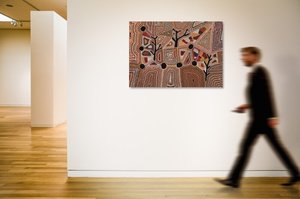
napanangka lucy yukenbarri
Australia
基本情報
- Artistic Movement Or Style: Kinti-kinti Dotting Style
- Artists Or Movements Influenced By This Artist: ['None Known']
- Artists Who Influenced This Artist: ['None Known']
- Date Of Birth: c.1934
- Date Of Death: 2003
- Full Name: Lucy Yukenbarri Napanangka
- Nationality: Australian
- Notable Artworks:
- Marpa
- Untitled
- Place Of Birth: Near Kiwirrkurra, Australia
関連記事
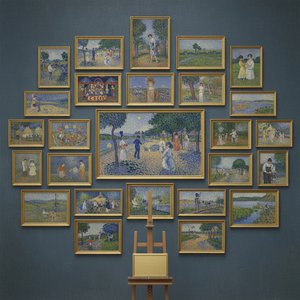
ジョルジュ・スーラ傑作25選:光と色彩の科学が織りなす芸術の世界|ArtsDot
ジョルジュ・スーラの傑作25選。点描画の光と色彩、印象派から新印象派へ—ArtsDotで美術史を紐解き、リビングやダイニングを彩る高品質なアートプリントを見つけましょう。セーラ作品集をオンラインで鑑賞ください。
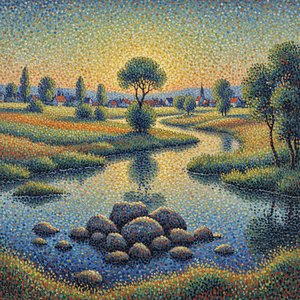
Chromatic Islands: Exploring the Theory & Legacy of Pointillism in 19th-Century Art
Explore the revolutionary world of Pointillism! Discover Georges Seurat's color theory, techniques & lasting impact on art history. Learn about Signac, Luce & Neo-Impressionism’s scientific approach to painting.
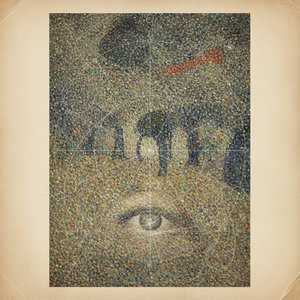
Georges Seurat: Pointillism, Perception & the Scientific Foundations of Modern Art
Explore the revolutionary art of Georges Seurat and the science behind Pointillism. Discover chromoluminarism, optical mixing, and the lasting impact of Neo-Impressionism on modern art history.
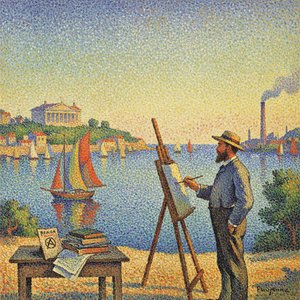
Paul Signac: Pointillism, Politics & the Pursuit of Harmony in Modern Art
Explore the life & art of Paul Signac, a key figure in Neo-Impressionism. Discover his Pointillist technique, anarchist beliefs, and stunning coastal scenes. Learn about his influence on modern art history.
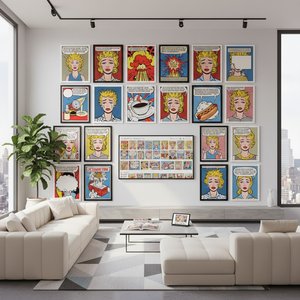
ロイ・リキテンスタイン傑作25選:ポップアートの革新と現代美術への影響 | ArtsDot
ロイ・リキテンスタインの傑作25選。ポップアートを代表する画家、その技法と時代背景を紐解きます。ベンデイ・ドット、コミック表現…ArtsDotで高品質な複製画やインテリアアートを見つけ、空間にモダンアートの息吹を吹き込みましょう。全作品はこちらから: ArtsDot.com