

 プレビュー
プレビュー
 プリントを購入
 シェアする
シェアする シェアする
シェアする
 詳細を見る
詳細を見る

 ダウンロード
 似ている作品
 X線調査
X線調査 スライドショー
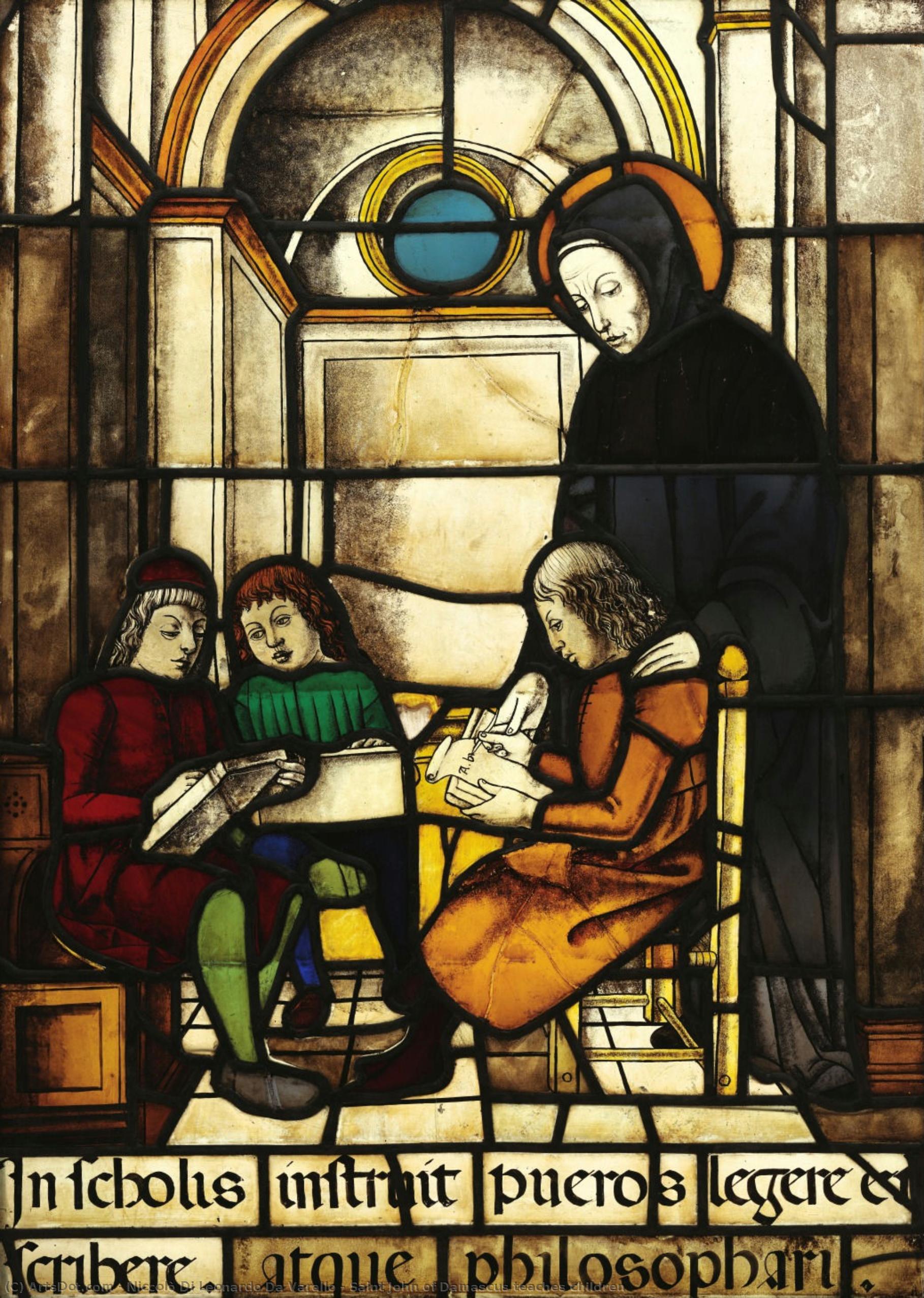
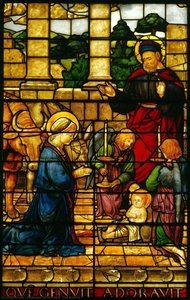
Saint John of Damascus teaches children


 詳細を見る
詳細を見る
オンラインプレビューをはるかに凌ぐ、高解像度で鮮明なデジタル画像をご購入いただけます。
各ファイルは、社内の専門家が高度なツールと熟練した手作業によるレタッチを用いて、細心の注意を払って準備されています。すべての画像において、卓越した鮮明度、正確な色彩再現性、そして繊細なディテールを保証いたします。
最終ファイルは、プロフェッショナルな編集・印刷環境ですぐにご利用いただけるよう最適化された状態で、72時間以内にメールにてお届けいたします。これは、一流のデザインスタジオ、出版社、ギャラリーから信頼されているものと同等の品質です。
デジタル画像のご注文に付随する特典
高品質なデジタル画像配信を、確かな品質で。
ArtsDot.com を選ぶことは、単に画像を手に入れることではありません。それは、プロの手によって精密に仕上げられ、満足保証が付いた高品質なデジタルアートワークを受け取ることを意味します。ご注文いただいた際に自動的に付随する内容は、以下の通りです:

メールですぐにお届け
ご注文から72時間以内に、高解像度のデジタル画像ファイルがメールでお手元に届きます。すぐにそのままご利用いただけます。

AI技術で最適化されたデジタルファイル
お客様の作品は、高度なAIツールと専門家による手作業の編集を組み合わせてプロフェッショナルに最適化されており、細部のディテール、鮮明さ、そして正確な色再現性を最大限に引き出しています。

一生涯無料の再送サービス
ファイルを誤って削除したり、紛失してしまったりしましたか?ご安心ください。いつでも無料で再送いたします。

輸入手数料は一切かかりません
関税や手数料、配送料を気にすることなく、お気に入りのアートワークをすぐにお楽しみいただけます。デジタルダウンロードは常に免税です。

色彩再現の保証
プロ仕様のツールとカラーマネジメント技術を用いることで、デジタル画像が元の色を最大限に忠実に再現することを保証いたします。

60日間満足保証
ご購入いただいたデジタル画像にご満足いただけない場合は、60日以内であれば、修正または100%の返金(理由を問う必要はありません)をさせていただきます。

100% 返金保証
ご満足いただけない場合は、デジタルファイルを受け取ってから60日以内であれば、理由を問わず全額返金いたします。

まとめ買い割引
3枚購入で10%OFF - 5枚購入で15%OFF - 10枚以上購入で20%OFF。クリエイティブなプロジェクト、ギャラリー、エージェンシーに最適です。
Saint John of Damascus Teaches Children - A Window Into Byzantine Faith
This magnificent panel originates from Stained Glass Window V25 of Milan Duomo, commissioned during the Renaissance and completed between 1479 and 1489 by Niccolò da Varallo. More than just a decorative element, this artwork embodies the spiritual heart of medieval Christendom—specifically, Byzantine theology—and offers a glimpse into the artistic sensibilities of its time. Its enduring appeal lies in its masterful blend of Gothic tradition with humanist ideals, resulting in an image that continues to resonate with viewers today.The Artist and His Craftsmanship
Niccolò da Varallo (1425–1490), born in Varallo della Val d'Oro, Lombardy, represents a pivotal figure within the Venetian Renaissance and Gothic art movements. While overshadowed by luminaries like Titian and Bellini, Varallo’s contribution to stained glass artistry is undeniable—he achieved renown for his ambitious projects adorning Milan Cathedral. His training likely involved studying the techniques of earlier masters, particularly Vincenzo Foppa, whose influence can be discerned in Varallo's stylistic choices. Primarily active in Milan from 1445 until his death in 1490, Varallo’s career coincided with a period marked by fervent artistic experimentation and cultural flourishing. He skillfully employed tempera paint on fruitwood panel—a technique favored for its luminosity and ability to capture intricate detail—to depict a scene brimming with symbolic significance.A Scene of Learning and Divine Inspiration
The depicted image portrays Saint John of Damascus instructing children in philosophy and literature. This choice is deliberate, reflecting the importance placed upon education within Byzantine society and symbolizing the transmission of faith from elder to younger generations. The panel’s composition—featuring a central figure of St. John surrounded by attentive pupils—creates an atmosphere of serene contemplation and intellectual engagement. Notice the careful positioning of the chairs and bench, reinforcing the sense of communal learning and fostering a contemplative environment.Symbolism and Artistic Style: Gothic Echoes in Renaissance Vision
The artwork’s style is unmistakably Gothic, albeit infused with humanist elements characteristic of the Renaissance. Varallo's meticulous attention to detail—evident in the depiction of St. John’s robes and the expressions on the faces of his students—demonstrates a mastery of traditional techniques while simultaneously embracing a more refined aesthetic sensibility. The inclusion of a moth symbolizes resurrection and transformation, aligning with broader theological themes prevalent during the period. Furthermore, the presence of Christ Child and Salome adds another layer of complexity to the narrative, representing the divine incarnation alongside human compassion.A Legacy Enduring Through Time
Despite undergoing renovations in the 19th century—primarily aimed at restoring its vibrancy—Window V25 retains its original splendor and continues to inspire admiration for its artistic merit and spiritual depth. Niccolò da Varallo’s masterpiece stands as a testament to the enduring power of art to convey profound ideas and emotions, securing its place within the annals of Venetian Renaissance Gothic Art.関連作品
作家の略歴
The Luminous Legacy of Niccolò da Varallo
In the heart of the Italian Renaissance, where light and shadow began to dance with newfound realism, the name Niccolò da Varallo emerges as a master of brilliance. Born around 1425 in the rugged beauty of Varallo della Val d'Oro, Lombardy, his very lineage was steeped in the alchemy of color. As the son of Leonardo da Varallo, a skilled glassmaker, Niccolò inherited more than just a family name; he inherited a profound understanding of how light interacts with medium, a gift that would later define his revolutionary approach to stained glass and frescoes.
While much of his early life remains veiled in the mists of history, his artistic trajectory was undoubtedly shaped by the vibrant cultural currents of Milan. It is believed that he refined his craft under the tutelage of Maestro Giovanni Battista Sant'Anna, a prominent figure in Milanese painting. This mentorship provided Niccolò with a bridge between the meticulous, ornamental traditions of the Gothic era and the burgeoning humanism of the Renaissance. Through this training, he mastered the ability to weave complex theological narratives into visual tapestries that were as much about spiritual transcendence as they were about technical precision.
A Master of Light and Glass
Niccolò’s most enduring contribution to the art world lies in his breathtaking stained-glass commissions for the Milan Cathedral. In these works, he transcended the traditional boundaries of the medium, moving away from static, flat designs toward a more dynamic and emotive storytelling style. His panels are not merely windows but portals into the divine, characterized by a fusion of Venetian color palettes and Gothic geometric intricacy.
His mastery is perhaps most evident in his depictions of the life of Saint John of Damascus. Through these glass narratives, Niccolò captured moments of profound spiritual weight with an almost cinematic quality:
- The Ordination of Saint John of Damascus: In this stunning panel, Varallo utilizes the interplay of light to depict a pivotal moment in Byzantine theology, using color to evoke the sanctity of the ritual.
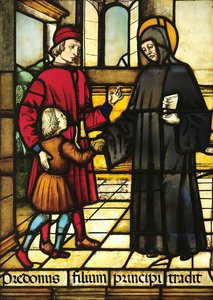
- Saint John of Damascus Receives the Prince: Here, the artist demonstrates his ability to render complex human interactions and regal dignity through the delicate manipulation of glass textures.
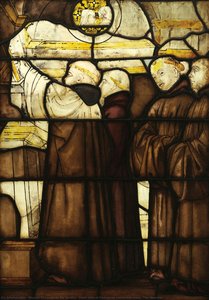
- The Miracle of the Reattached Hand: Perhaps one of his most captivating scenes, this panel depicts the miraculous reattachment of Saint John's hand, a feat of storytelling that uses vibrant hues to emphasize the divine intervention and the awe of the witnessing monks.
Historical Significance and Artistic Spirit
The work of Niccolò da Varallo represents a crucial evolutionary step in late medieval and early Renaissance art. He stood at the crossroads of two worlds, maintaining the decorative splendor of the Gothic tradition while embracing the emerging realism and emotional depth of the Renaissance. His ability to manipulate light—the very essence of stained glass—allowed him to create works that felt alive, breathing with the changing sunbeams that passed through the Milan Duomo.
Though his name may not carry the same immediate recognition as the giants of the High Renaissance, his influence on the decorative arts and ecclesiastical storytelling is immeasurable. He remains a testament to the power of craftsmanship, proving that when the precision of a glassmaker meets the soul of a painter, the result is an eternal glow that survives centuries of shadow.
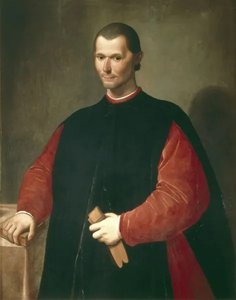
niccolò di leonardo da varallo
1425 - 1490 , Italy
プロフィール概要
- Artistic Movement Or Style: Renaissance
- Artists Or Movements Influenced By This Artist: ['Italian Renaissance']
- Artists Who Influenced This Artist:
- Andrea Mantegna
- Giovanni Battista Pontorno
- Date Of Birth: 1425
- Date Of Death: 1490
- Full Name: Niccolò di Leonardo da Varallo
- Nationality: Italian
- Notable Artworks:
- Saint John of Damascus celebrates mass. The deacons
- The ordination of Saint John of Damascus
- Place Of Birth: Varallo della Val d'Oro, Italy

