

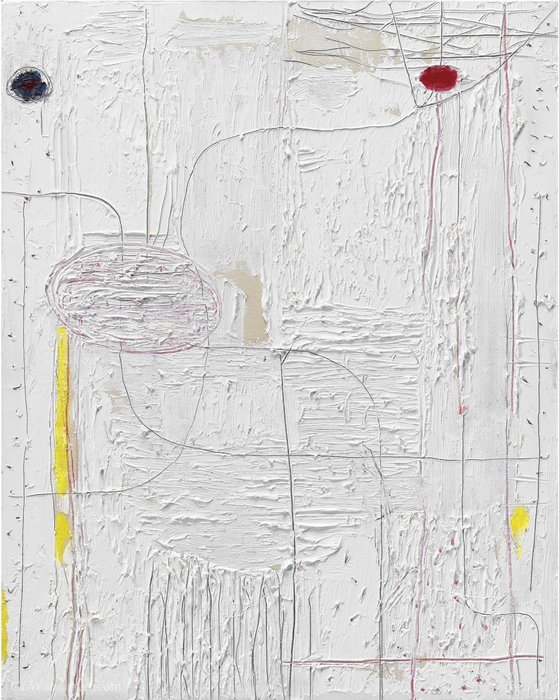
 プレビュー
プレビュー
 シェアする
シェアする シェアする
シェアする
 詳細を見る
詳細を見る

 ダウンロード
 似ている作品
 X線調査
X線調査 スライドショー
 統計情報
統計情報Untitled (306)

 詳細を見る
詳細を見る
ジークレー/アートプリント
迅速な制作と多彩な仕上げオプションを備えた、ミュージアムクオリティのジークレーまたはキャンバスプリント。 ( 手描きの絵画を購入 デジタル画像販売へ切り替え)




































作品のオリジナル比率に合わせた、当店の規定サイズからお選びください。

特定のフレームやスペースに合わせて、ご自身でサイズを指定することも可能です。選択されたサイズが元の画像の比率と一致しない場合、作品をトリミングするか、鏡面反射または単色での塗りつぶしによって画像を拡張いたします。制作を開始する前に、ご確認用のデジタルモックアップをお送りいたします。
画面上のプレビューには、実際のトリミングや拡張は反映されませんのでご注意ください。最終的な構図を正確に確認できるのは、モックアップのみとなります。
カスタムサイズも承っておりますが、元の比率を維持するためには、あらかじめ用意されたリストからサイズを選択することをお勧めいたします。


 ガラスオプションは、110cm未満のサイズでのみご利用いただけます。

Untitled (306)
ジークレー/アートプリント
複製画のサイズ
-


合計金額
$ 62
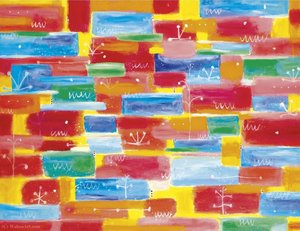
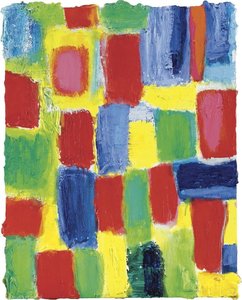
関連作品
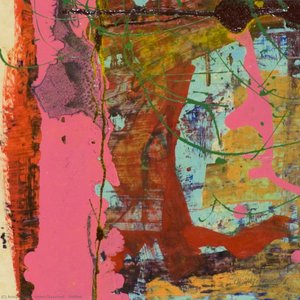

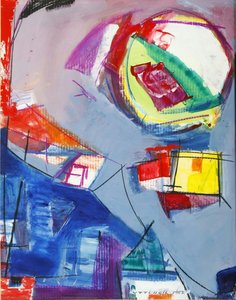
アーティストの略歴
Nicola De Maria: A Symphony of Color and Emotion
Born in Foglianise, Italy, in 1954, Nicola de Maria’s artistic journey is a compelling narrative of transformation – from medical studies to the vibrant explosion of color and layered imagery that defines his signature style. Initially drawn to the precision of medicine, he found himself increasingly captivated by the expressive potential of paint, ultimately abandoning his formal training to pursue a path dictated by intuition and emotion. This pivotal shift marked the genesis of a career dedicated to creating immersive environments where the boundaries between art and life blur, inviting viewers into a world rich with symbolism and psychological depth.
De Maria’s early work, emerging in the late 1970s within the influential Transavanguardia movement, established his core aesthetic. This Italian artistic collective, spearheaded by Achille Bonito Oliva, rejected the strict formalism of Minimalism and Conceptualism, instead embracing a return to figurative representation infused with historical references, mythological allusions, and a distinctly Baroque sensibility. Alongside artists like Sandro Chia, Francesco Clemente, and Enzo Cucchi, De Maria sought to synthesize diverse influences – from classical painting to Pop Art, and even elements of psychoanalysis – into a unified visual language. This period saw him experimenting with large-scale wall paintings, often executed in public spaces, creating communal experiences that challenged traditional notions of the gallery setting.
The Language of Color and Symbol
At the heart of De Maria’s oeuvre lies an extraordinary command of color – a palette dominated by intense primaries: red, blue, and yellow. These hues aren't merely decorative; they are imbued with profound symbolic weight, representing fundamental human emotions and psychological states. Red, frequently employed in his later works, embodies passion, energy, and even violence, while blue evokes contemplation, melancholy, and the subconscious. Yellow, often layered beneath these dominant colors, suggests optimism, joy, and a yearning for transcendence. His technique is equally significant; De Maria employs thick impasto layers of paint, creating tactile surfaces that invite physical engagement. He frequently incorporates elements of collage – fragments of fabric, paper, and other materials – into his compositions, adding further textural complexity and hinting at the fragmented nature of human experience.
Beyond color, De Maria’s work is replete with recurring motifs: musical instruments, stars, and celestial imagery. These symbols resonate deeply within his personal mythology, reflecting a lifelong fascination with music and spirituality. The inclusion of instruments – violins, trumpets, pianos – suggests the power of art to evoke emotion and connect individuals through shared experience. Stars, often depicted in swirling patterns, represent aspiration, hope, and the search for meaning in an uncertain world. His 1987 painting, “Giardino azzurrino Foglianise,” exemplifies this symbolic richness, transforming his childhood home into a vibrant landscape brimming with these potent emblems.
Wall Paintings and Immersive Environments
A defining characteristic of De Maria’s practice is his exploration of wall paintings. These monumental works, often executed on vast surfaces in public spaces – from churches to museums – create immersive environments that envelop the viewer. Unlike traditional murals, De Maria's wall paintings are not merely decorative; they function as portals into a psychological landscape, inviting contemplation and emotional resonance. The scale of these pieces is deliberately overwhelming, designed to disrupt the viewer’s sense of space and time, fostering a feeling of being transported to another realm.
His 1980 Venice Biennale contribution, “Space Paintings,” further solidified his reputation as a pioneer in this medium. These works, characterized by their dynamic composition and layered textures, demonstrated De Maria's ability to manipulate space and create a sense of movement within the confines of a two-dimensional surface. The influence of these early wall paintings continues to shape his practice today, informing his approach to large-scale installations and site-specific projects.
Legacy and Critical Reception
Nicola de Maria’s work has garnered significant critical acclaim over the course of his career. He is recognized as a key figure in the Transavanguardia movement and a leading contemporary painter, celebrated for his bold use of color, evocative symbolism, and innovative approach to wall painting. His art has been exhibited extensively throughout Europe and North America, including retrospectives at the Turin Civic Gallery of Modern and Contemporary Art and the Stedelijk Museum in Amsterdam. De Maria’s work continues to be studied and appreciated for its ability to evoke profound emotional responses and challenge conventional notions of artistic representation.
His art is held in prestigious collections worldwide, including those of the Castello di Rivoli Museo d'Arte Contemporanea in Turin and the Stedelijk Museum in Amsterdam. De Maria’s legacy extends beyond his individual creations; he has inspired a generation of artists to embrace emotional expression and explore new possibilities within the realm of painting.
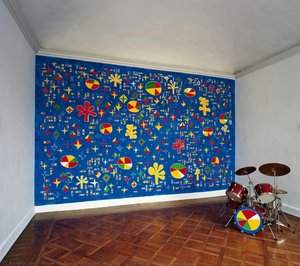
nicola de maria
1954 -
基本情報
- Artistic Movement Or Style: Transavanguardia
- Artists Or Movements Influenced By This Artist: ['Transavanguardia']
- Artists Who Influenced This Artist: ['Achille Bonito Oliva']
- Date Of Birth: December 6, 1954
- Full Name: Nicola De Maria
- Nationality: Italian
- Notable Artworks:
- Kingdom of Musical Flowers
- Untitled (914)
- Untitled (306)
- Place Of Birth: Foglianise, Italy
関連記事
Beyond Sight: Exploring Tactile Dimensions and Illumination in Abstract Painting
Explore the captivating world of tactile abstraction! Discover impasto techniques, influential artists like Richter & Hoyland, and expert insights for collecting textured art. Elevate your space with museum-quality pieces.
Kandinsky's Masterpieces: 25 Paintings That Define Abstract Art | ArtsDot
Journey through Wassily Kandinsky's 25 most iconic abstract paintings. Explore his revolutionary use of color, form & spiritual expressionism. Find museum-quality Kandinsky reproductions and elevate your home decor with ArtsDot.com. Discover all masterpieces on ArtsDot.com!

ゴヤ傑作25選:スペインの魂を揺さぶる、深遠な芸術の世界 | ArtsDot
ゴヤ傑作25選:ロマン主義を代表するスペインの巨匠、フランシスコ・デ・ゴヤの世界へ。黒衣の女からマハまで、魂を揺さぶる絵画の物語と技法を紐解きます。ArtsDotで高品質なアートレプリカを見つけ、インテリアに深みと風格を。今すぐコレクションをご覧ください。

幾何学的抽象絵画を定義した傑作10選|アート、アーティスト、インテリア装飾
モンドリアン、マレーヴィチ…幾何学的抽象絵画を代表する傑作10選。各作品の背景や色彩構成、アーティストの情熱に迫ります。美術館品質の複製画はArtsDot.comで。オンラインでアートコレクションをご覧ください。
抽象表現主義を定義する十大傑作:芸術と装飾の深遠な旅
抽象表現主義を定義する10の傑作。ポロック、ロスコら巨匠たちの情熱と色彩の世界へ。各作品に込められた物語と技法を紐解き、至高のアート体験を。ArtsDot.comで、ミュージアムクオリティの複製画や洗練されたインテリアアイデアを発見してください。