
- ホーム

- デジタル画像一覧
- Nicolaes De Geijselers, Nicolaes De Geyselers, Nicolaas De Gijselaer, Nicolaas De Gijzelaer, Nicolaes De Gyselaer, Nicolaas De Gyzelaer, Nicolaes De G
 プレビュー
プレビュー
 シェアする
シェアする シェアする
シェアする
 詳細を見る
詳細を見る

 ダウンロード
 似ている作品
 X線調査
X線調査 スライドショー
 統計情報
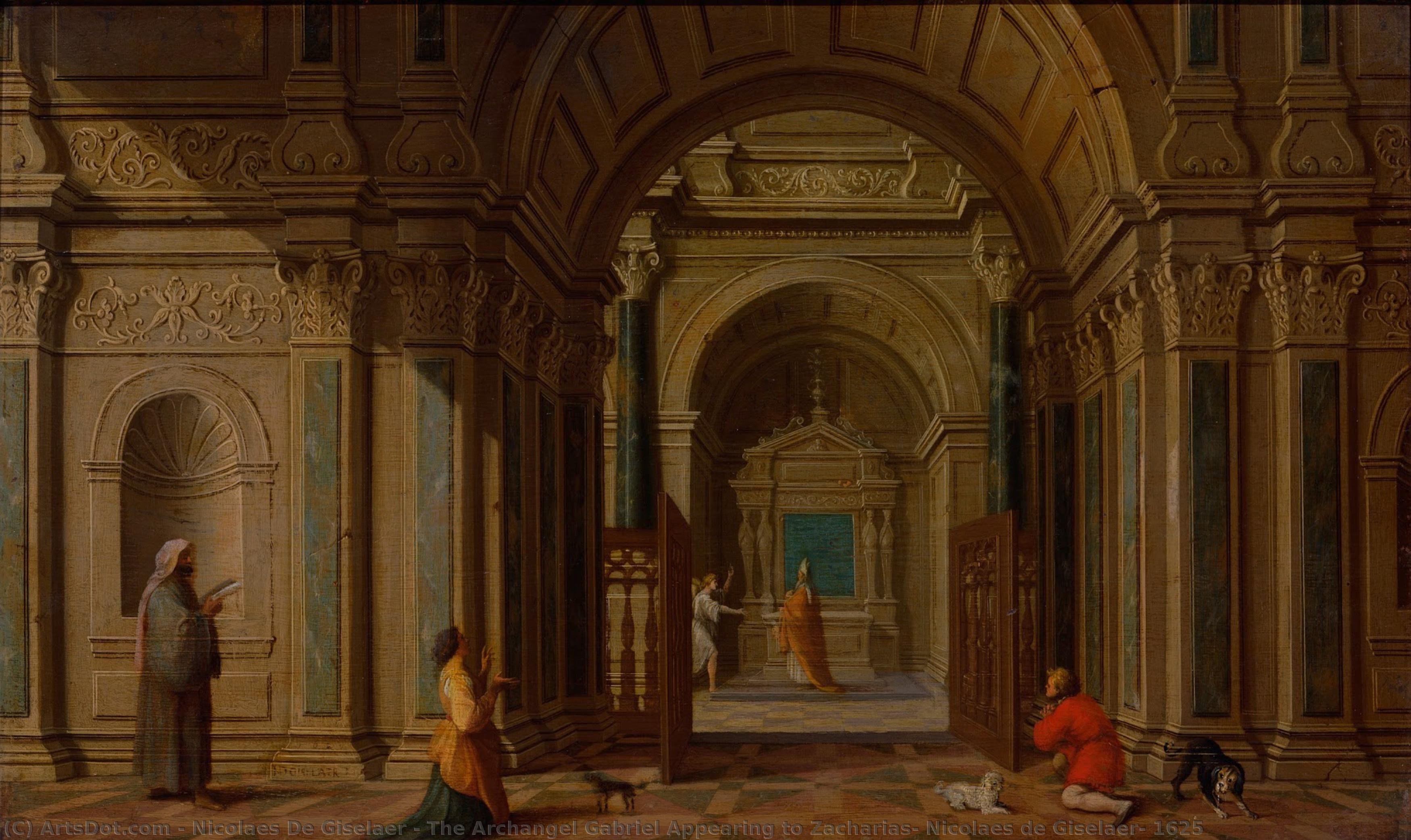
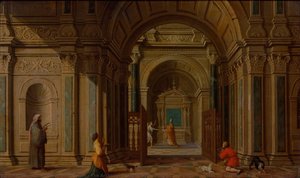
統計情報The Archangel Gabriel Appearing to Zacharias, Nicolaes de Giselaer, 1625


 詳細を見る
詳細を見る
オンラインプレビューをはるかに凌ぐ、高解像度で鮮明なデジタル画像をご購入いただけます。
各ファイルは、社内の専門家が高度なツールと熟練した手作業によるレタッチを用いて、細心の注意を払って準備されています。すべての画像において、卓越した鮮明度、正確な色彩再現性、そして繊細なディテールを保証いたします。
最終ファイルは、プロフェッショナルな編集・印刷環境ですぐにご利用いただけるよう最適化された状態で、72時間以内にメールにてお届けいたします。これは、一流のデザインスタジオ、出版社、ギャラリーから信頼されているものと同等の品質です。
デジタルアート
個人での鑑賞、印刷、クリエイティブなプロジェクト用に、高解像度ファイルをダウンロードできます。 ( プリント版に切り替え 手描きの絵画を購入)
デジタル画像のご注文に付随する特典
高品質なデジタル画像配信を、確かな品質で。
ArtsDot.com を選ぶことは、単に画像を手に入れることではありません。それは、プロの手によって精密に仕上げられ、満足保証が付いた高品質なデジタルアートワークを受け取ることを意味します。ご注文いただいた際に自動的に付随する内容は、以下の通りです:

メールですぐにお届け
ご注文から72時間以内に、高解像度のデジタル画像ファイルがメールでお手元に届きます。すぐにそのままご利用いただけます。

AI技術で最適化されたデジタルファイル
お客様の作品は、高度なAIツールと専門家による手作業の編集を組み合わせてプロフェッショナルに最適化されており、細部のディテール、鮮明さ、そして正確な色再現性を最大限に引き出しています。

一生涯無料の再送サービス
ファイルを誤って削除したり、紛失してしまったりしましたか?ご安心ください。いつでも無料で再送いたします。

輸入手数料は一切かかりません
関税や手数料、配送料を気にすることなく、お気に入りのアートワークをすぐにお楽しみいただけます。デジタルダウンロードは常に免税です。

色彩再現の保証
プロ仕様のツールとカラーマネジメント技術を用いることで、デジタル画像が元の色を最大限に忠実に再現することを保証いたします。

100日間満足保証
ご購入いただいたデジタル画像にご満足いただけない場合は、100日以内であれば、理由を問わず修正または100%の返金対応をさせていただきます。

100% 返金保証
ご満足いただけない場合は、デジタルファイルを受け取ってから100日以内であれば、理由を問わず全額返金いたします。

まとめ買い割引
3枚購入で10%OFF - 5枚購入で15%OFF - 10枚以上購入で20%OFF。クリエイティブなプロジェクト、ギャラリー、エージェンシーに最適です。
関連作品

作家の略歴
A Life Shrouded in Light: The World of Nicolaes de Giselaer
Nicolaes de Giselaer, a name that echoes through the halls of Dutch Baroque painting, remains an artist somewhat elusive to modern biographical scrutiny. Born in Dordrecht in 1583 and passing away around 1647, his life is less a clearly documented narrative and more a constellation pieced together from surviving works, archival records, and stylistic analysis. What emerges is the portrait of a skilled painter and draughtsman who navigated the artistic currents of Leiden, Utrecht, and Amsterdam during a period of immense change and flourishing in the Netherlands.
Early documentation suggests a life centered around his craft. Records indicate his presence in Leiden and Utrecht by 1616, followed by a sojourn in Amsterdam between 1616 and 1617. This peripatetic existence hints at an artist actively seeking opportunities and engaging with diverse artistic communities. His marriage to Cornelia Cornelisdr. Van Riebeeck in Leiden on March 24th, 1616, provides a personal anchor point amidst the professional movements. He eventually settled back in Utrecht, where he continued his work until his death, finding final rest within its soil on February 8th, 1647.
The Artistic Landscape and De Giselaer’s Style
De Giselaer's artistic development unfolded against the backdrop of a Dutch Golden Age brimming with innovation. The early 17th century witnessed a shift away from the rigid formalism of Mannerism towards a more naturalistic, emotionally resonant style—a trend powerfully influenced by Caravaggio and his followers. While not directly adopting the dramatic *tenebrism* of Caravaggio, De Giselaer absorbed its principles of strong chiaroscuro and psychological realism. His paintings are characterized by a delicate balance between light and shadow, used to sculpt forms and imbue scenes with a sense of quiet dignity.
His subject matter predominantly revolved around biblical narratives, particularly those lending themselves to intimate domestic settings. He excelled in depicting interiors—palatial courtyards, richly furnished rooms—populated by figures engaged in moments of contemplation or revelation. A hallmark of his style is the meticulous attention to detail: the textures of fabrics, the gleam of metal objects, and the subtle expressions on faces all contribute to a sense of tangible reality. He wasn’t a painter of grand historical spectacles; rather, he focused on the human drama unfolding within contained spaces.
Key Works and Recurring Themes
Among his notable works is “The Archangel Gabriel Appearing to Zacharias” (1625), a piece that exemplifies his mastery of light and composition. The scene unfolds with a serene grace, the angel’s presence radiating a gentle luminosity that contrasts beautifully with the shadowed interior. Another significant work, "The Triumph of Mordekai," housed in the Centraal Museum in Utrecht, showcases his ability to depict complex narratives with clarity and emotional depth. These paintings aren't merely illustrations of biblical stories; they are explorations of faith, devotion, and the power of divine intervention.
Recurring themes within De Giselaer’s oeuvre include the Annunciation, scenes from the life of Christ, and depictions of figures in prayer or contemplation. He often employed architectural settings—palaces, loggias, courtyards—to create a sense of grandeur and symbolic resonance. These spaces weren't simply backdrops; they were integral to the narrative, reflecting the spiritual weight of the events unfolding within them.
Legacy and Historical Significance
While De Giselaer may not be as widely recognized as some of his contemporaries—Rembrandt or Vermeer—his contribution to Dutch Baroque painting is nonetheless significant. He represents a strand of artistic sensibility that valued quiet contemplation, meticulous detail, and emotional realism. His paintings offer a glimpse into the domestic lives and spiritual beliefs of 17th-century Holland.
His influence, though difficult to trace directly, can be seen in the works of later artists who embraced similar themes and stylistic approaches. The Centraal Museum’s collection of his work serves as a testament to his enduring legacy, allowing viewers today to appreciate the subtle beauty and profound humanity that characterize his art. He stands as a reminder that artistic greatness isn't always defined by dramatic innovation but also by a consistent pursuit of excellence and a deep understanding of the human condition.
プロフィール概要
- Artistic Movement Or Style: Baroque painting
- Date Of Birth: 1583
- Date Of Death: c. 1647
- Full Name: Nicolaes de Giselaer
- Nationality: Dutch
- Notable Artworks:
- Archangel Gabriel Appearing to Zacharias
- De triomf van Mordekai
- Place Of Birth: Dordrecht, Netherlands