

 プレビュー
プレビュー
 プリントを購入
 シェアする
シェアする シェアする
シェアする
 詳細を見る
詳細を見る

 ダウンロード
 似ている作品
 X線調査
X線調査 スライドショー
LA REMISE DE L'ORDRE DU SAINT ESPRIT


 詳細を見る
詳細を見る




P118B $10

P118H $10

P118W $10

P438Z $10

P508JH $12

P508YH $12

P805H $10

P805Z $10

P919BZ $10

P919G $10

P919XJ $10

P959ZH $10

P968JZ $12

W106C $8

W218G $10

W218JH $8

W218Y $10

W307PJ $10

W316G $10

W316PJ $8

W316Y $10

W398PJ $8

W4111J $10

W500HY $15

W500JH $15

W692G $12

W849H $8

W940BG $15

W953PJ $8




作品のオリジナル比率に合わせた、当店の規定サイズからお選びください。

特定のフレームやスペースに合わせて、ご希望のサイズをご入力いただけます。選択されたサイズが元の画像の比率と異なる場合、アートワークをトリミングするか、手描きで要素を追加して絵画を拡張いたします。デジタルモックアップ を制作し、制作開始前にご確認(承認)をいただきます。
画面上のプレビューは、実際のトリミングや拡張を正確に反映しているものではありません。最終的な構図は、モックアップによってのみ正確にご確認いただけます。
カスタムサイズもご利用いただけますが、元の比率を維持するためには、あらかじめ用意されたリストからサイズを選択することをお勧めいたします。
ご注文後、ArtsDot.com チームより詳細な指示をお送りするとともに、仕上がりイメージ(モックアップ)をご提供いたします。


 ガラスオプションは、110cm未満のサイズでのみご利用いただけます。

LA REMISE DE L'ORDRE DU SAINT ESPRIT
複製技法
複製画のサイズ
-


合計金額
$ 738
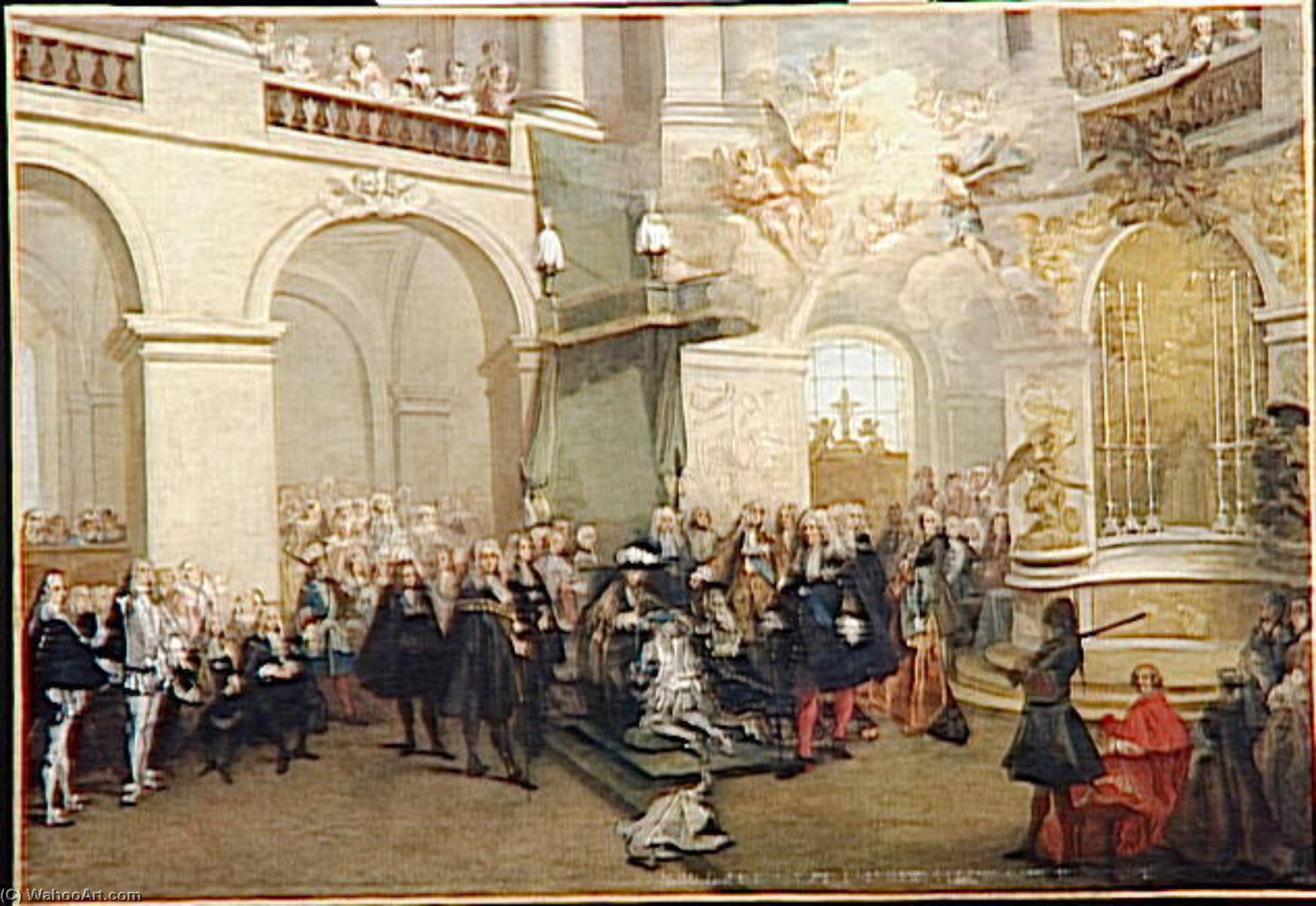
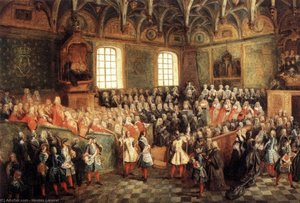
La Remise de l'Ordre du Saint Esprit: A Tapestry of Power and Grace
Nicolas Lancret’s “La Remise de l’Ordre du Saint Esprit” is not merely a painting; it’s a meticulously crafted tableau vivant, a frozen moment of opulent ceremony within the heart of Versailles. Completed around 1724, this work offers a rare glimpse into the intricate rituals and profound symbolism that underpinned French courtly life during the reign of Louis XV. More than just depicting an event, Lancret masterfully captures the atmosphere of solemnity, authority, and restrained elegance that defined the Order of the Holy Spirit – a prestigious military order established by Henry III in 1578, later revived under Louis XIV and then again under his successor.
The scene unfolds within a vast, richly decorated hall, its architecture—characterized by soaring arches, imposing columns, and delicate balustrades—establishing a sense of monumental grandeur. Lancret’s skill lies not just in rendering the physical space but in imbuing it with an almost palpable weight of history and tradition. The muted palette – dominated by creams, beiges, and subtle hints of red and blue – contributes to this atmosphere of dignified restraint. It's a color scheme that speaks of wealth and status without resorting to overt flamboyance, perfectly aligning with the Rococo aesthetic’s preference for understated luxury.
A Dance of Figures: Composition and Movement
Lancret employs a masterful use of perspective to draw the viewer into the heart of the ceremony. The central figure, seated on an elevated platform or throne, immediately commands attention – likely a high-ranking member of the Order being invested. Around him swirl a multitude of figures, arranged in carefully orchestrated layers that create a dynamic sense of movement and depth. The composition isn’t static; Lancret uses diagonal lines created by the arrangement of individuals to suggest a continuous flow of activity, as if capturing a fleeting moment within a larger, ongoing event.
Notice how Lancret subtly guides our eye through the scene. The foreground is densely populated with onlookers – nobles, clergy, and courtiers – their faces largely obscured, yet conveying an air of respectful attention. The receding background reveals tiers of balconies and galleries, further amplifying the sense of scale and complexity. This layering isn’t haphazard; it's a deliberate strategy to immerse the viewer in the scene and emphasize the importance of the central figure.
Symbolism Woven into the Fabric
Beyond its visual appeal, “La Remise de l’Ordre du Saint Esprit” is rich in symbolic meaning. The Order itself represented military prowess and loyalty to the crown – a potent combination during an era marked by ongoing conflicts and political maneuvering. The elaborate costumes worn by the figures are not simply decorative; they signify rank, status, and allegiance. The fabrics—velvet, silk, and brocade—are rendered with exquisite detail, showcasing the wealth and power of those involved.
Furthermore, the setting within the opulent halls of Versailles reinforces the painting’s message. The palace itself was a symbol of royal authority and divine right – a tangible representation of the king's absolute power. By placing the ceremony within this iconic space, Lancret elevates it to a grand spectacle, underscoring the Order’s significance in maintaining order and upholding the monarchy.
The Rococo Touch: Technique and Artistic Style
Lancret’s style is quintessential Rococo – characterized by its delicate brushwork, graceful figures, and emphasis on lightheartedness. While the subject matter—a formal ceremony—might seem weighty, Lancret imbues it with a subtle sense of charm and wit. The faces are rendered with an almost playful quality, suggesting that even within the confines of courtly protocol, there’s room for amusement and social interaction.
The artist's technique is notable for its smooth blending of colors and meticulous attention to detail. Brushstrokes are largely invisible, creating a seamless surface that enhances the painting’s overall sense of refinement. Lancret masterfully utilizes light and shadow to sculpt the figures and define the architectural space, adding depth and realism to the scene. The use of muted tones contributes to the painting's atmosphere of restrained elegance, perfectly capturing the spirit of the Rococo era.
A Legacy of Elegance
“La Remise de l’Ordre du Saint Esprit” stands as a testament to Nicolas Lancret’s artistic skill and his ability to capture the essence of French courtly life. It's a painting that invites contemplation, offering viewers a glimpse into a bygone era of ceremony, power, and exquisite beauty. Reproductions of this captivating work continue to resonate with collectors and interior designers alike, serving as a reminder of the enduring appeal of Rococo artistry.
関連作品
アーティストの略歴
ニコラ・ランクレの生涯とロココ様式
1690年にパリで生まれたニコラ・ランクレは、フランスのロココ美術を代表する画家の一人です。彼の作品は、当時の貴族社会や日常生活を描き出し、優雅さと軽快さを特徴としています。詳細な記録は少ないものの、ランクレの芸術的な旅は、敬意を集める歴史画家ピエール・デュランのもとでの初期の訓練から始まりました。しかし、アントワーヌ・ワトーの作品との出会いが彼の芸術的指向性に決定的な影響を与えました。その後、ワトーの弟子であったジャン=バティスト・ギヨーのもとで学び、この時期の研鑽が、ランクレ独特のスタイルを確立する基礎となりました。それは、パリ社会の軽妙な描写や、*fêtes galantes*(優雅な野外パーティー)の祝祭を描くことで特徴づけられます。
芸術的様式と代表作
ランクレは、オルレアン公国の摂政時代からルイ15世の初期にかけてのフランス社会における日常生活を鮮やかに描き出す才能で知られるようになりました。彼の芸術的スタイルは、舞踏会、市、村の結婚式などの社交的な場面を描いた魅力的な作品によって特徴づけられ、当時の趣味やマナーを反映しています。彼はロココの優雅さと軽薄さを捉えることに長けていました。
- 代表作:
- *ジャムの朝食* (シャンティイ、コンデ美術館, 1735): 活気あふれる人物が描かれた、彼のジャンル画を代表する作品。
- *召使いの正当化* (1735-1740): ランクレが家庭生活を描く才能を示し、機知と魅力に満ちた作品です。
- *四隅遊び*: 人気のあるゲームの描写であり、社交的な交流のエネルギーと楽しさを捉えています。
- *マリー=アン・ド・カマルゴ* (1730): ファッション性の高い人物を描く彼の技術を示す肖像画です。
影響と遺産
ランクレの芸術的スタイルはワトーに強く似ており、美術史家たちはしばしば二人の比較を行います。一部の批評家は、ランクレの作品をワトーのものほど深遠ではないと考えていますが、18世紀フランス社会の本質を捉える彼の能力は、彼を芸術史における重要な地位を確立しました。彼の絵画は軽妙さと魅力で称賛され、ロココ時代の社会的慣習と美学に関する貴重な洞察を提供しています。ランクレの影響は、後の画家フランソワ・ブーシェに見られます。彼の作品は、ナショナル・ギャラリーやオルセー美術館など、世界中の著名なコレクションに収蔵されており、フランスのロココ美術への賞賛が今後も続くことを保証しています。
発展と歴史的意義
キャリアを通じて、ランクレは芸術的なアプローチを着実に進化させました。当初はワトーの影響を強く受けていましたが、より鮮やかな色彩と、人物と周囲の環境との調和のとれた関係性を特徴とする独自のスタイルを発展させました。彼の後期の作品、『魔法の提灯の展示』や『庭の家族』などは、彼の芸術的成果の頂点を示すものと考えられており、構成の中で深みと親密さを生み出す能力が高まっていることがわかります。ランクレの歴史的意義は、ロココ運動への貢献と、魅力的な絵画を通して18世紀フランスの社会生活や文化的価値を記録する能力にあります。
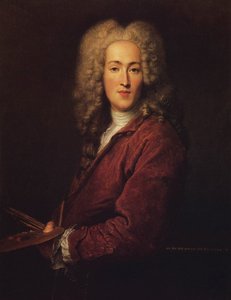
ニコラ・ランクレ
1690 - 1743 , フランス
基本情報
- Artistic Movement Or Style: ロココ
- Artists Or Movements Influenced By This Artist: ['フランソワ・ブーシェ']
- Artists Who Influenced This Artist:
- ピエール・デュラン
- ジャン=バティスト・ギヨー
- アントワーヌ・ワトー
- Date Of Birth: 1690年1月22日
- Date Of Death: 1743年9月14日
- Full Name: ニコラ・ランクレ
- Nationality: フランス人
- Notable Artworks (List Of Titles):
- ジャムの朝食
- 召使の正当化
- 四隅遊び
- マリー=アン・カマルゴ
- Place Of Birth (City And Country): フランス、パリ
関連記事

華麗なるロココ:芸術史を彩る10大傑作の世界
華麗なるロココ美術の世界へ。バロックから生まれた優雅な芸術、その10大傑作を徹底解説!ブーシェ、フロマンなど巨匠たちの技と物語を紐解き、お部屋を彩るアートを見つけよう。ArtsDot.comで至高の美術館品質レプリカとインテリアアイデアを発見。

The Rococo Aesthetic: Opulence, Rebellion & the Pursuit of Pleasure in 18th-Century Art
Explore the opulent world of Rococo art! Discover its origins, key artists like Watteau & Boucher, and lasting influence on design. Expert insights for collectors & enthusiasts.
The Rococo Style: Aristocratic Leisure & the Pursuit of Delight in 18th-Century Art
Explore the opulent world of Rococo art! Discover Watteau, Boucher & Nattier's masterpieces. Expert insights for collectors seeking museum-quality reproductions and custom portraits at ArtsDot.
The Allure of Elegance in Art: A Historical & Aesthetic Exploration of Refinement & Grace
Explore the exquisite world of Rococo art! Discover its history, masters (Watteau, Boucher & more), and defining elegance. Expert insights for collectors seeking museum-quality reproductions & custom portraits.
Illuminating the Enlightenment: A Comprehensive Exploration of 18th-Century Painting
Explore the captivating world of 18th-century painting! Discover Rococo's playful elegance & Neoclassicism’s Enlightenment ideals with expert insights into Fragonard, David, and more. A comprehensive guide for art enthusiasts.

