

 プレビュー
プレビュー
 プリントを購入
 シェアする
シェアする シェアする
シェアする
 詳細を見る
詳細を見る

 ダウンロード
 似ている作品
 X線調査
X線調査 スライドショー
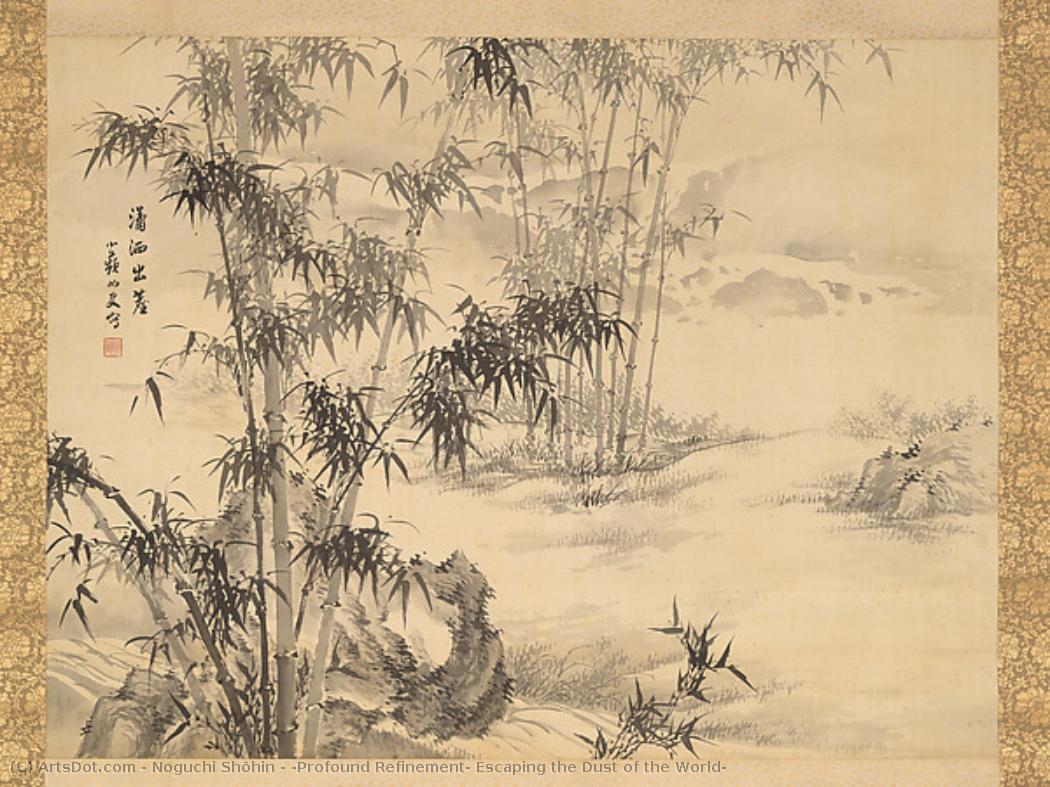
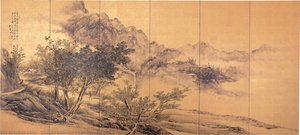
“Profound Refinement, Escaping the Dust of the World”
 1910
1910 117.0 x 155.0 cm
 詳細を見る
詳細を見る




































作品のオリジナル比率に合わせた、当店の規定サイズからお選びください。

特定のフレームやスペースに合わせて、ご希望のサイズをご入力いただけます。選択されたサイズが元の画像の比率と異なる場合、アートワークをトリミングするか、手描きで要素を追加して絵画を拡張いたします。デジタルモックアップ を制作し、制作開始前にご確認(承認)をいただきます。
画面上のプレビューは、実際のトリミングや拡張を正確に反映しているものではありません。最終的な構図は、モックアップによってのみ正確にご確認いただけます。
カスタムサイズもご利用いただけますが、元の比率を維持するためには、あらかじめ用意されたリストからサイズを選択することをお勧めいたします。
ご注文後、ArtsDot.com チームより詳細な指示をお送りするとともに、仕上がりイメージ(モックアップ)をご提供いたします。


 ガラスオプションは、110cm未満のサイズでのみご利用いただけます。

“Profound Refinement, Escaping the Dust of the World”
複製技法
複製画のサイズ
-


合計金額
$ 263
関連作品






アーティストの略歴
Noguchi Shōhin: Life and Legacy
Early Life and Imperial Patronage
Noguchi Shōhin (野口小蘋), born in Osaka Prefecture, Japan in 1847, was a pioneering Japanese painter who left an indelible mark on the art world. She rose to prominence during the late Edo and Meiji periods, a time of significant social and artistic change in Japan. Her talent quickly garnered attention, leading to her appointment as an Imperial Household Artist in 1904 – a prestigious position reserved for the most distinguished artists serving the Japanese imperial family.
Artistic Collaborations and Influences
Shōhin’s artistic journey was significantly shaped by key relationships. Her friendship with statesman Kido Takayoshi proved particularly fruitful, resulting in collaborative paintings known as gassaku. These works seamlessly blended text and images, showcasing a unique synergy between calligraphy and painting. She also benefited from the patronage of Okuhara Seiko, further solidifying her position within the Japanese art scene.
- Studied bird-and-flower and landscape painting with artist Hine Taizan in Kyoto.
- Developed a distinctive style influenced by traditional Japanese aesthetics and contemporary trends.
Notable Works and Artistic Style
One of Noguchi Shōhin’s most celebrated works is “Profound Refinement, Escaping the Dust of the World,” a masterful example of bold ink painting. Her style is characterized by refined brushwork, delicate compositions, and a subtle yet powerful emotional resonance. She frequently depicted women in roles traditionally reserved for men – as literati engaged in scholarly pursuits like playing music or practicing calligraphy – suggesting a progressive outlook on gender roles within her society.
Legacy and Impact on Nihonga
Noguchi Shōhin’s trailblazing career paved the way for future generations of female artists in Japan. Her work significantly contributed to the development of Nihonga, a style of painting that emerged during the Meiji period, characterized by its use of mineral pigments and organic materials on silk or paper. Nihonga sought to revitalize traditional Japanese art forms while incorporating elements of Western artistic techniques.
Family and Continued Artistic Lineage
Shōhin’s influence extended beyond her own artistic achievements. Her daughters, Iku and Shokei, followed in her footsteps, becoming accomplished artists themselves, ensuring the continuation of her artistic legacy.
Exhibitions and Historical Significance
Noguchi Shōhin’s work has been exhibited at prestigious institutions such as the Yamanashi Prefectural Museum of Art (1982), solidifying her place in Japanese art history. Her paintings offer valuable insights into the social, cultural, and artistic landscape of late 19th and early 20th century Japan, making her a significant figure for scholars and art enthusiasts alike.
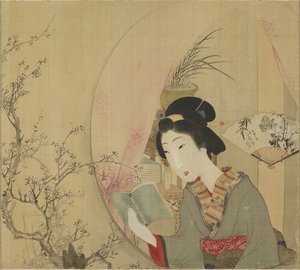
noguchi shōhin
1847 - 1917 , Japan
基本情報
- Birth Date: 1847
- Birth Place: Osaka Prefecture, Japan
- Death Date: 1917
- Influenced: Iku Noguchi, Shokei Noguchi
- Influenced By: Hine Taizan
- Movement: Nihonga
- Name: Noguchi Shōhin
- Nationality: Japanese
- Notable Works: Profound Refinement, Escaping the Dust of the World

