

 プレビュー
プレビュー
 プリントを購入
 シェアする
シェアする シェアする
シェアする
 詳細を見る
詳細を見る

 ダウンロード
 似ている作品
 X線調査
X線調査 スライドショー
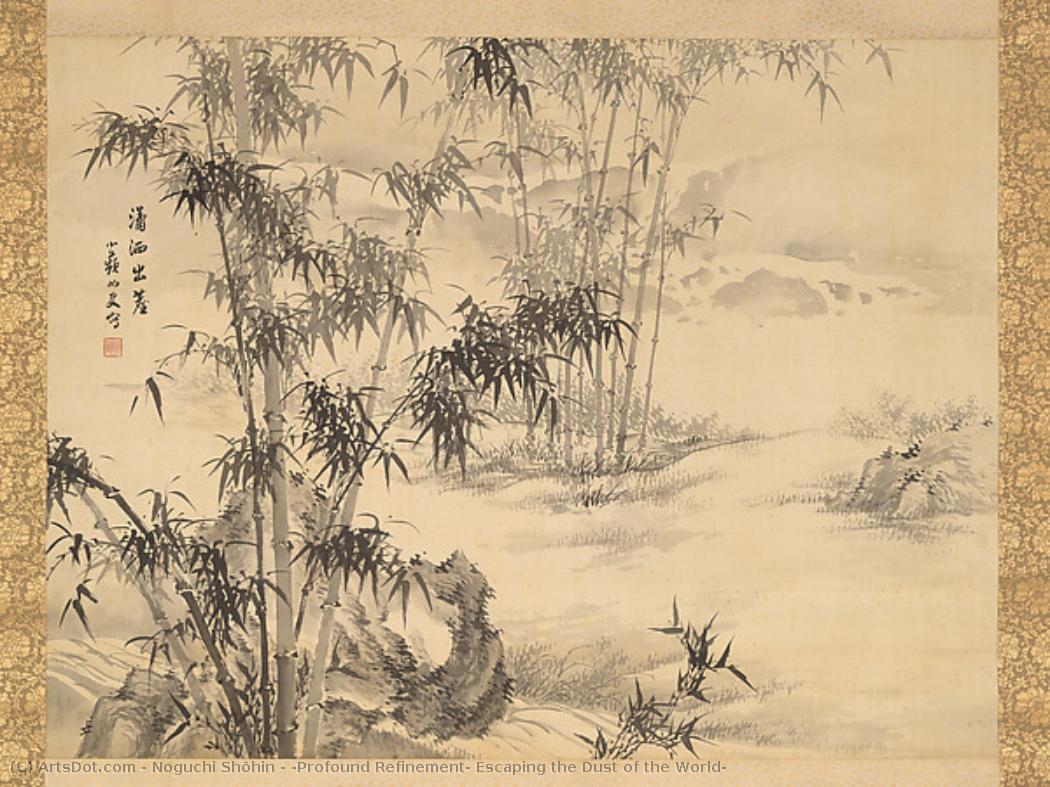
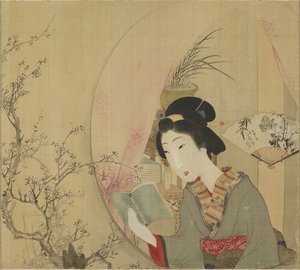
“Profound Refinement, Escaping the Dust of the World”
 1910
1910 117.0 x 155.0 cm
 詳細を見る
詳細を見る
オンラインプレビューをはるかに凌ぐ、高解像度で鮮明なデジタル画像をご購入いただけます。
各ファイルは、社内の専門家が高度なツールと熟練した手作業によるレタッチを用いて、細心の注意を払って準備されています。すべての画像において、卓越した鮮明度、正確な色彩再現性、そして繊細なディテールを保証いたします。
最終ファイルは、プロフェッショナルな編集・印刷環境ですぐにご利用いただけるよう最適化された状態で、72時間以内にメールにてお届けいたします。これは、一流のデザインスタジオ、出版社、ギャラリーから信頼されているものと同等の品質です。
デジタル画像のご注文に付随する特典
高品質なデジタル画像配信を、確かな品質で。
ArtsDot.com を選ぶことは、単に画像を手に入れることではありません。それは、プロの手によって精密に仕上げられ、満足保証が付いた高品質なデジタルアートワークを受け取ることを意味します。ご注文いただいた際に自動的に付随する内容は、以下の通りです:

メールですぐにお届け
ご注文から72時間以内に、高解像度のデジタル画像ファイルがメールでお手元に届きます。すぐにそのままご利用いただけます。

AI技術で最適化されたデジタルファイル
お客様の作品は、高度なAIツールと専門家による手作業の編集を組み合わせてプロフェッショナルに最適化されており、細部のディテール、鮮明さ、そして正確な色再現性を最大限に引き出しています。

一生涯無料の再送サービス
ファイルを誤って削除したり、紛失してしまったりしましたか?ご安心ください。いつでも無料で再送いたします。

輸入手数料は一切かかりません
関税や手数料、配送料を気にすることなく、お気に入りのアートワークをすぐにお楽しみいただけます。デジタルダウンロードは常に免税です。

色彩再現の保証
プロ仕様のツールとカラーマネジメント技術を用いることで、デジタル画像が元の色を最大限に忠実に再現することを保証いたします。

60日間満足保証
ご購入いただいたデジタル画像にご満足いただけない場合は、60日以内であれば、修正または100%の返金(理由を問う必要はありません)をさせていただきます。

100% 返金保証
ご満足いただけない場合は、デジタルファイルを受け取ってから60日以内であれば、理由を問わず全額返金いたします。

まとめ買い割引
3枚購入で10%OFF - 5枚購入で15%OFF - 10枚以上購入で20%OFF。クリエイティブなプロジェクト、ギャラリー、エージェンシーに最適です。
関連作品



作家の略歴
Noguchi Shōhin: Life and Legacy
Early Life and Imperial Patronage
Noguchi Shōhin (野口小蘋), born in Osaka Prefecture, Japan in 1847, was a pioneering Japanese painter who left an indelible mark on the art world. She rose to prominence during the late Edo and Meiji periods, a time of significant social and artistic change in Japan. Her talent quickly garnered attention, leading to her appointment as an Imperial Household Artist in 1904 – a prestigious position reserved for the most distinguished artists serving the Japanese imperial family.
Artistic Collaborations and Influences
Shōhin’s artistic journey was significantly shaped by key relationships. Her friendship with statesman Kido Takayoshi proved particularly fruitful, resulting in collaborative paintings known as gassaku. These works seamlessly blended text and images, showcasing a unique synergy between calligraphy and painting. She also benefited from the patronage of Okuhara Seiko, further solidifying her position within the Japanese art scene.
- Studied bird-and-flower and landscape painting with artist Hine Taizan in Kyoto.
- Developed a distinctive style influenced by traditional Japanese aesthetics and contemporary trends.
Notable Works and Artistic Style
One of Noguchi Shōhin’s most celebrated works is “Profound Refinement, Escaping the Dust of the World,” a masterful example of bold ink painting. Her style is characterized by refined brushwork, delicate compositions, and a subtle yet powerful emotional resonance. She frequently depicted women in roles traditionally reserved for men – as literati engaged in scholarly pursuits like playing music or practicing calligraphy – suggesting a progressive outlook on gender roles within her society.
Legacy and Impact on Nihonga
Noguchi Shōhin’s trailblazing career paved the way for future generations of female artists in Japan. Her work significantly contributed to the development of Nihonga, a style of painting that emerged during the Meiji period, characterized by its use of mineral pigments and organic materials on silk or paper. Nihonga sought to revitalize traditional Japanese art forms while incorporating elements of Western artistic techniques.
Family and Continued Artistic Lineage
Shōhin’s influence extended beyond her own artistic achievements. Her daughters, Iku and Shokei, followed in her footsteps, becoming accomplished artists themselves, ensuring the continuation of her artistic legacy.
Exhibitions and Historical Significance
Noguchi Shōhin’s work has been exhibited at prestigious institutions such as the Yamanashi Prefectural Museum of Art (1982), solidifying her place in Japanese art history. Her paintings offer valuable insights into the social, cultural, and artistic landscape of late 19th and early 20th century Japan, making her a significant figure for scholars and art enthusiasts alike.
noguchi shōhin
1847 - 1917 , Japan
プロフィール概要
- Birth Date: 1847
- Birth Place: Osaka Prefecture, Japan
- Death Date: 1917
- Influenced: Iku Noguchi, Shokei Noguchi
- Influenced By: Hine Taizan
- Movement: Nihonga
- Name: Noguchi Shōhin
- Nationality: Japanese
- Notable Works: Profound Refinement, Escaping the Dust of the World

