

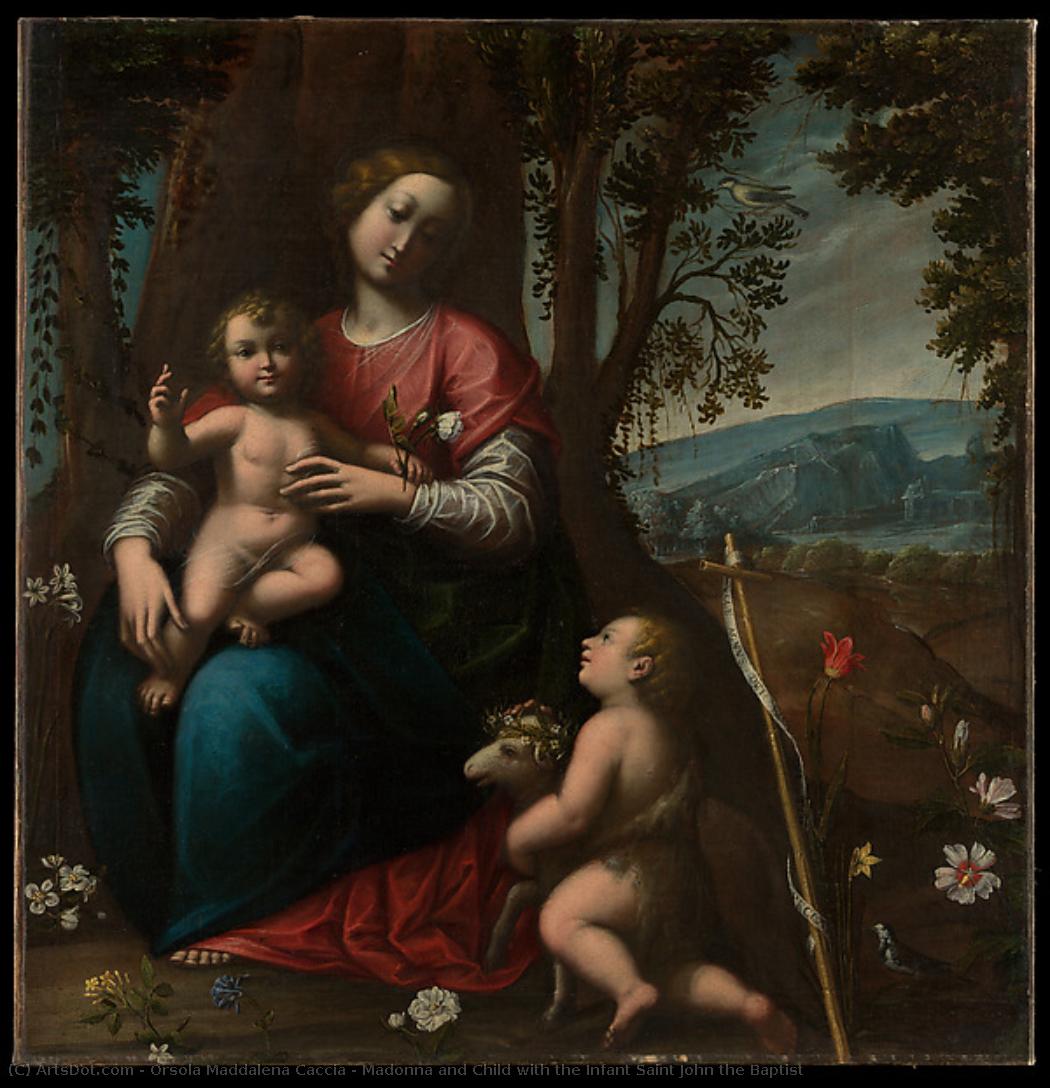
 プレビュー
プレビュー
 プリントを購入
 シェアする
シェアする シェアする
シェアする
 詳細を見る
詳細を見る

 ダウンロード
 似ている作品
 X線調査
X線調査 スライドショー
Madonna and Child with the Infant Saint John the Baptist
 Oil On Canvas
- WallArt
- Baroque Mannerism
 1645
1645 98.0 x 97.0 cm
 メトロポリタン美術館
 詳細を見る
詳細を見る
オンラインプレビューをはるかに凌ぐ、高解像度で鮮明なデジタル画像をご購入いただけます。
各ファイルは、社内の専門家が高度なツールと熟練した手作業によるレタッチを用いて、細心の注意を払って準備されています。すべての画像において、卓越した鮮明度、正確な色彩再現性、そして繊細なディテールを保証いたします。
最終ファイルは、プロフェッショナルな編集・印刷環境ですぐにご利用いただけるよう最適化された状態で、72時間以内にメールにてお届けいたします。これは、一流のデザインスタジオ、出版社、ギャラリーから信頼されているものと同等の品質です。
デジタル画像のご注文に付随する特典
高品質なデジタル画像配信を、確かな品質で。
ArtsDot.com を選ぶことは、単に画像を手に入れることではありません。それは、プロの手によって精密に仕上げられ、満足保証が付いた高品質なデジタルアートワークを受け取ることを意味します。ご注文いただいた際に自動的に付随する内容は、以下の通りです:

メールですぐにお届け
ご注文から72時間以内に、高解像度のデジタル画像ファイルがメールでお手元に届きます。すぐにそのままご利用いただけます。

AI技術で最適化されたデジタルファイル
お客様の作品は、高度なAIツールと専門家による手作業の編集を組み合わせてプロフェッショナルに最適化されており、細部のディテール、鮮明さ、そして正確な色再現性を最大限に引き出しています。

一生涯無料の再送サービス
ファイルを誤って削除したり、紛失してしまったりしましたか?ご安心ください。いつでも無料で再送いたします。

輸入手数料は一切かかりません
関税や手数料、配送料を気にすることなく、お気に入りのアートワークをすぐにお楽しみいただけます。デジタルダウンロードは常に免税です。

色彩再現の保証
プロ仕様のツールとカラーマネジメント技術を用いることで、デジタル画像が元の色を最大限に忠実に再現することを保証いたします。

60日間満足保証
ご購入いただいたデジタル画像にご満足いただけない場合は、60日以内であれば、修正または100%の返金(理由を問う必要はありません)をさせていただきます。

100% 返金保証
ご満足いただけない場合は、デジタルファイルを受け取ってから60日以内であれば、理由を問わず全額返金いたします。

まとめ買い割引
3枚購入で10%OFF - 5枚購入で15%OFF - 10枚以上購入で20%OFF。クリエイティブなプロジェクト、ギャラリー、エージェンシーに最適です。
A Nun’s Revolutionary Vision: Exploring Orsola Maddalena Caccia's Madonna and Child
Orsola Maddalena Caccia, born Theodora Caccia in Moncalvo, Italy, in 1596, represents a singular achievement in artistic history – a testament to creativity nurtured within the confines of religious devotion. Her life’s trajectory spanned nearly eight decades, marked by quiet defiance against prevailing societal expectations and establishing herself as a trailblazer who fundamentally reshaped perceptions of women's role in painting during the Baroque era. More than merely possessing exceptional artistic skill, Caccia was a visionary abbess, a devoted teacher, and an innovator whose legacy transcends mere technical prowess; it resides in her profound influence on artistic discourse and paving the way for future generations of female artists. Her enduring fame isn’t derived from grand public acclaim or monumental commissions but rather from the gradual unveiling of a remarkable oeuvre that continues to fascinate art historians today—a collection demonstrating an unparalleled mastery of technique and imbued with subtle symbolic resonance.The Painter's Training and Artistic Influences
Caccia’s artistic development began under the tutelage of her father, Guglielmo Caccia, himself a respected painter whose style leaned heavily toward geometric forms and sfumato – a delicate blending of paint tones achieved without harsh outlines—a technique that would become a hallmark of her own distinctive approach. This formative experience instilled in her an understanding of compositional principles rooted in Mannerism, a stylistic movement characterized by elongated figures, stylized drapery, and a deliberate avoidance of naturalistic representation. Crucially, Caccia’s artistic vision wasn't solely shaped by tradition; she actively sought inspiration from contemporary artists and embraced innovative techniques that distinguished her work from prevailing norms.Floral Symbolism and Artistic Independence
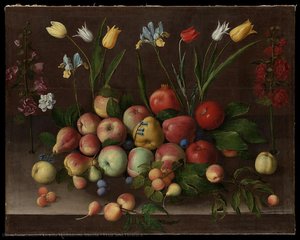
Perhaps Caccia’s most celebrated contribution to art history lies in her pioneering exploration of still life painting—specifically, her masterful depiction of flowers. Unlike many of her contemporaries who adhered rigidly to established conventions, Caccia cultivated a singular style characterized by meticulous observation and an almost obsessive attention to detail. Her floral compositions weren't merely decorative embellishments; they functioned as powerful symbols reflecting themes of purity, resurrection, and divine grace—concepts central to Christian iconography. The flowers she selected – lilies, roses, violets – were not simply aesthetically pleasing but carried specific meanings rooted in medieval and Renaissance symbolism, demonstrating Caccia’s intellectual engagement with artistic tradition alongside her creative impulse. Notably, her approach mirrored that of her celebrated independent still lifes, two of which reside within the collections of The Metropolitan Museum of Art—a testament to her unwavering commitment to artistic autonomy.A Legacy of Quiet Innovation
Caccia's dedication extended beyond her artistic practice; she served as abbess of the Ursuline convent in Moncalvo, establishing a center for education and fostering an environment conducive to artistic creativity. This role underscores her broader contribution to intellectual life—challenging societal expectations regarding women’s roles within religious institutions and championing the pursuit of knowledge alongside faith. Her enduring influence is palpable not only in her paintings but also in the ripple effect she created on subsequent generations of artists, cementing her place as a pivotal figure in Italian Baroque art and an inspiring example of artistic accomplishment achieved amidst personal devotion.- Size: 98 x 97 cm
- Date: c.1645
関連作品




作家の略歴
Orsola Maddalena Caccia: A Nun’s Revolutionary Art
Orsola Maddalena Caccia, born Theodora Caccia in Moncalvo, Italy, in 1596, stands as a pivotal figure in the history of art – a testament to creativity blossoming within the confines of religious life. Her journey, spanning nearly eight decades, is one of quiet revolution, challenging conventional notions about artistic practice and paving the way for women’s participation in the burgeoning world of painting during the 17th century. More than just a skilled artist, Orsola was a pioneer, an abbess, and a teacher who fundamentally shifted perspectives on the role of nuns within the church and as creators. Her legacy is not one of grand, public acclaim, but rather a slow, deliberate unveiling of a remarkable body of work that continues to captivate art historians today.A Life Shaped by Art and Faith
Orsola’s early life was deeply intertwined with the artistic traditions of her family. Born into a lineage of painters – her father, Guglielmo Caccia, was a respected artist in his own right – she received an invaluable education in technique and composition from a young age. She learned to mix pigments, study anatomy, and master the subtle nuances of perspective within her father’s studio, assisting him with preparatory sketches and secondary figures in his paintings. This apprenticeship provided a solid foundation for her future endeavors. However, Orsola's life took an unexpected turn when, at the age of twenty-four, she entered the Ursuline convent of Bianzè. This decision wasn’t merely a shift in lifestyle; it represented a profound transformation – a deliberate choice to dedicate her artistic talents to God and the community. The convent itself was strategically located on the borderlands between powerful warring states—Gonzaga, Mantua, Monferrato, and Savoy—necessitating its establishment as a safer haven for the Ursuline sisters. Her father’s foresight in securing permission and providing resources for this new foundation ensured that Orsola's artistic path would continue within the walls of her childhood home.The Convent Studio: A Space for Innovation
Upon relocating to the newly founded convent in Moncalvo, Orsola established a dedicated studio—a remarkable achievement for a woman operating within the constraints of religious life. This wasn’t simply a room where she painted; it was a center of artistic production and instruction. She welcomed novitiates into her workshop, imparting her knowledge and fostering a new generation of female artists within the convent community. This act of mentorship was revolutionary in itself – challenging the prevailing belief that women were incapable of serious artistic training or independent creative expression. Orsola’s influence extended beyond her immediate students; she became a respected figure within the local art scene, receiving commissions from patrons both near and far, including members of the nobility. Her work reflected a blend of Mannerist influences inherited from her father, combined with a distinctly personal style that emphasized emotional depth and meticulous detail.A Pioneer in Still Life and Religious Iconography
Orsola’s artistic output spanned several distinct genres: religious altarpieces, intimate devotional paintings, and, most notably, pioneering still lifes. While the Italian art world was beginning to embrace the dramatic innovations of Caravaggio and other Baroque masters, Orsola's work offered a quieter, more contemplative approach. Her still lifes, particularly those created later in her career, are considered groundbreaking for their time – showcasing an unprecedented level of detail and realism in depicting flowers, fruits, and everyday objects. These weren’t merely decorative elements; they were imbued with symbolic meaning, reflecting the convent's devotion to nature and God’s creation. Her religious paintings, often featuring depictions of the Virgin Mary and Christ Child, are characterized by a serene beauty and a profound sense of spirituality. The use of rich colors, intricate patterns, and carefully rendered figures creates an atmosphere of reverence and contemplation. She skillfully blended traditional iconography with subtle personal touches, imbuing her works with a unique emotional resonance.Legacy and Recognition
Orsola Maddalena Caccia’s life and work remained largely obscured for centuries after her death in 1676. Her contributions were overshadowed by the prominence of male artists and the limitations placed upon women within the art world. However, in recent decades, scholars have begun to recognize Orsola's significance as a truly exceptional artist – a woman who defied expectations, established a thriving artistic practice within a religious context, and profoundly influenced the development of both religious painting and still life in Italy. Her legacy is not one of fleeting fame but rather enduring recognition as a pioneer, an innovator, and a testament to the power of creativity to transcend social boundaries. Today, her paintings are treasured for their beauty, their technical skill, and their poignant reflection of a remarkable woman’s journey – a nun who dared to paint her way into art history.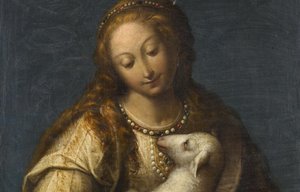
Orsola Maddalena Caccia
1596 - 1676 , Italy
プロフィール概要
- Artistic Movement Or Style: Mannerism, Religious Painting
- Artists Or Movements Influenced By This Artist: ['Ursuline nuns']
- Artists Who Influenced This Artist: ['Guglielmo Caccia (father)']
- Date Of Birth: 1596-12-04
- Date Of Death: 1676
- Full Name: Orsola Maddalena Caccia
- Nationality: Italian
- Notable Artworks:
- Birth of the Virgin
- St. Luke in his Studio
- Place Of Birth: Moncalvo, Italy

