

 プレビュー
プレビュー
 プリントを購入
 シェアする
シェアする シェアする
シェアする
 詳細を見る
詳細を見る

 ダウンロード
 似ている作品
 X線調査
X線調査 スライドショー
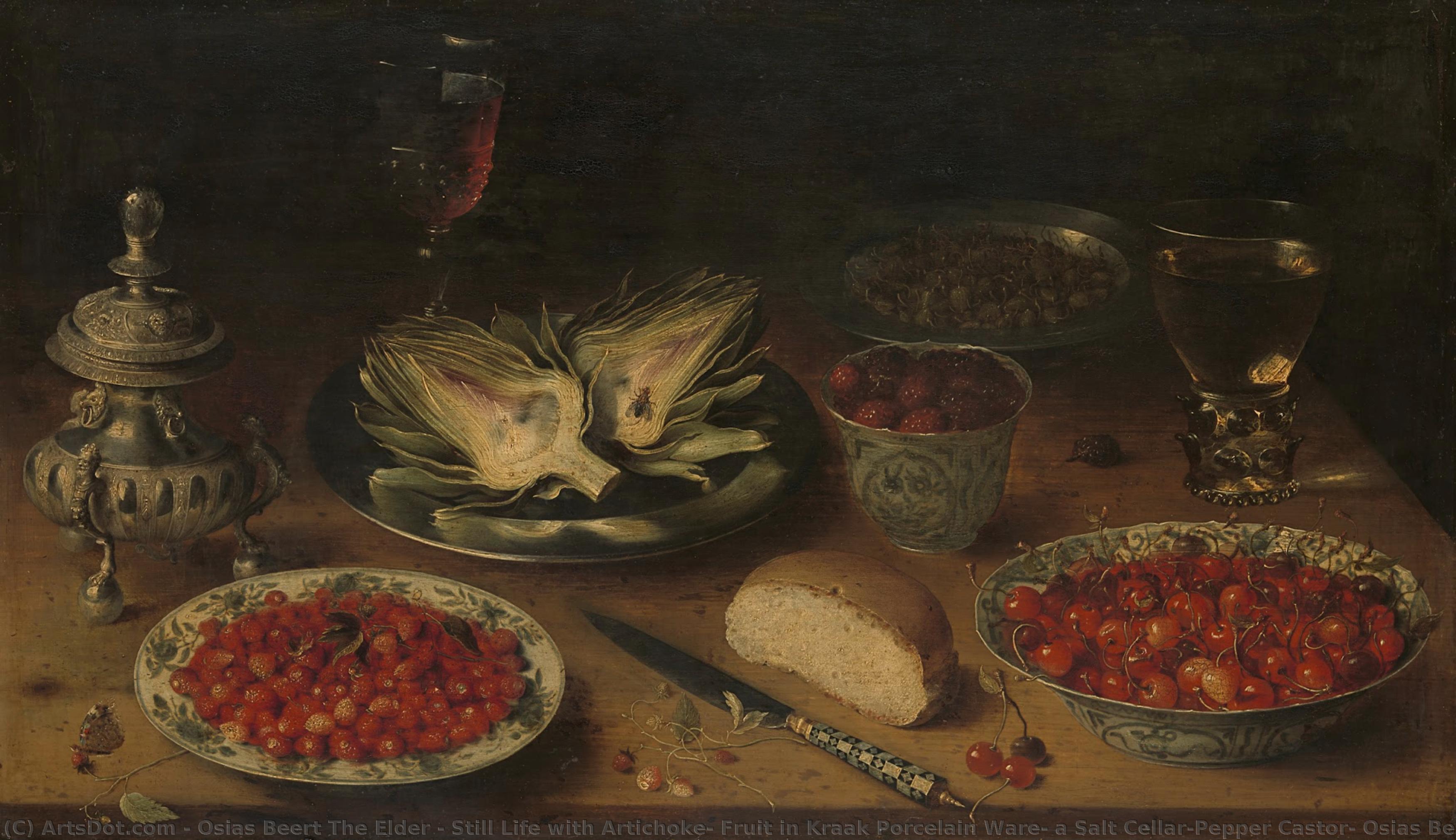
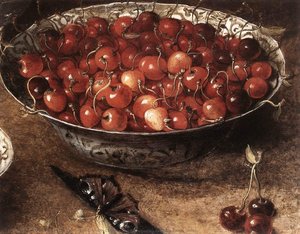
Still Life with Artichoke, Fruit in Kraak Porcelain Ware, a Salt Cellar/Pepper Castor, Osias Beert (I), c. 1605 - c. 1615
 Dutch Golden Age
 1615
1615 46.0 x 79.0 cm
 詳細を見る
詳細を見る




































作品のオリジナル比率に合わせた、当店の規定サイズからお選びください。

特定のフレームやスペースに合わせて、ご希望のサイズをご入力いただけます。選択されたサイズが元の画像の比率と異なる場合、アートワークをトリミングするか、手描きで要素を追加して絵画を拡張いたします。デジタルモックアップ を制作し、制作開始前にご確認(承認)をいただきます。
画面上のプレビューは、実際のトリミングや拡張を正確に反映しているものではありません。最終的な構図は、モックアップによってのみ正確にご確認いただけます。
カスタムサイズもご利用いただけますが、元の比率を維持するためには、あらかじめ用意されたリストからサイズを選択することをお勧めいたします。
ご注文後、ArtsDot.com チームより詳細な指示をお送りするとともに、仕上がりイメージ(モックアップ)をご提供いたします。


 ガラスオプションは、110cm未満のサイズでのみご利用いただけます。

Still Life with Artichoke, Fruit in Kraak Porcelain Ware, a Salt Cellar/Pepper Castor, Osias Beert (I), c. 1605 - c. 1615
複製技法
複製画のサイズ
-


合計金額
$ 263
関連作品

アーティストの略歴
Osias Beert the Elder: Pioneer of Flemish Still Life
Osias Beert (c. 1580 – 1623) stands as a pivotal figure in the burgeoning field of Northern European still life painting during the Dutch Golden Age, specifically recognized for his groundbreaking approach to depicting floral arrangements and banquet scenes—a style that would come to be known as “breakfast paintings.” Born around 1580 in Antwerp, Beert’s artistic journey began under the tutelage of Andries van Baseroo, establishing him firmly within the influential Antwerp art milieu. This formative period instilled in him a meticulous attention to detail and a masterful command of chiaroscuro—the dramatic interplay of light and shadow—techniques that would characterize his distinctive oeuvre.- Early Influences: Beert’s artistic sensibilities were undoubtedly shaped by the prevailing Baroque aesthetic, which emphasized grandeur, theatricality, and emotional intensity. However, he distinguished himself from many contemporaries through a subtle yet profound exploration of naturalism, prioritizing accurate representation over mere decorative embellishment.
- Technique & Style: Beert's signature style involved layering textures—fruit skins glistening with dew, velvety petals unfurling—to create immersive visual experiences for the viewer. He skillfully employed atmospheric perspective to convey depth and realism, capturing fleeting moments of beauty with remarkable precision.
Notable Works & Artistic Development
Beert’s artistic output spanned approximately 40 paintings, primarily focused on opulent banquet scenes populated by exquisitely rendered fruit, flowers, and tableware—a genre that anticipated the later developments championed by artists like Willem van Hemsterhuysen. His celebrated “Dishes with Oysters” exemplifies this style perfectly, showcasing a lavish display of seafood alongside vibrant blossoms arranged in Kraak porcelain ware. The painting’s dramatic lighting enhances the sumptuousness of the composition, conveying both visual splendor and symbolic richness. Similarly, "Still Life with Artichoke, Fruit in Kraak Porcelain Ware, a Salt Cellar/Pepper Castor" demonstrates Beert's dedication to capturing naturalistic detail and masterful chiaroscuro.- Key Paintings: Among his most recognizable works are “Fruit Still Life,” “Bouquet of Flowers,” and “Still Life with Wine Bottles.” These paintings exemplify Beert’s ability to distill complex emotions into carefully constructed visual narratives.
Symbolism & Artistic Significance
Beert's work transcends mere aesthetic pleasure; it engages in a sophisticated dialogue with humanist philosophical concepts prevalent during the Renaissance and Baroque eras. The inclusion of symbolic elements—such as skulls representing mortality—underscores the contemplation of human existence and the ephemeral nature of beauty. Like many artists of his time, Beert utilized still life to convey moral lessons and explore themes of vanitas—the futility of earthly pursuits in contrast to spiritual salvation.Legacy & Influence
Osias Beert’s contribution to Flemish art history is undeniable. He established himself as a pioneer in the development of flower paintings, influencing subsequent generations of artists who embraced his meticulous observation and expressive use of light and shadow. His work continues to inspire admiration for its beauty and intellectual depth, cementing his place among the most important figures of the Dutch Golden Age—a period characterized by unparalleled artistic innovation and cultural flourishing.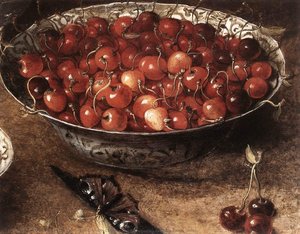
osias beert the elder
1580 - 1624
基本情報
- Artistic Movement Or Style: Dutch Golden Age
- Artists Or Movements Influenced By This Artist: ['Baroque']
- Artists Who Influenced This Artist: ['Andries van Baseroo']
- Date Of Death: 1623
- Full Name: Osias Beert the Elder
- Nationality: Flemish
- Notable Artworks:
- Dishes with Oysters,
- Still-Life with Oysters and Pastries
- Still Life with Artichoke, Fruit in Kraak Porcelain Ware,
- Place Of Birth: Antwerp
関連記事

黄金世紀の巨匠たち:バロック絵画が彩る10選|ArtsDot
オランダ黄金時代の10大傑作を紐解く!レンブラント、フェルメール…バロック絵画の魅力と時代背景を深く探求。ArtsDotで、至高のアートコレクションと空間演出のヒントを見つけよう。高品質なアートプリントで、お部屋を華やかに。

Golden Age Reflections: Dutch Baroque Painting & Cultural Innovation
Explore the Dutch Golden Age of painting! Discover key artists like Vermeer & ter Borch, their innovative techniques, and the rich cultural context behind these Baroque masterpieces. Learn about collecting & appreciating this iconic art period.

Illuminating Innovation: Exploring the Dutch Golden Age of Painting
Explore the Dutch Golden Age of painting with ArtsDot. Discover Rembrandt, Vermeer & other Masters. Learn about key characteristics, iconic artworks, and lasting influence. Expert insights for collectors & enthusiasts.
Abraham Hendricksz van Beyeren: Pioneering Dutch Still Life & the Banquet Tradition
Explore the captivating world of Dutch Golden Age still life with Abraham van Beyeren. Discover his innovative techniques, symbolic banquet scenes & lasting influence on art history. Learn about collecting these masterpieces.
Jan Jansz Wijnants: A Study in Dutch Golden Age Still Life & Floral Transience
Explore the captivating world of Jan Wijnants and Dutch Golden Age still life painting. Discover symbolism, masterful techniques & lasting influence on floral art history. Learn more!

