

 プレビュー
プレビュー
 シェアする
シェアする シェアする
シェアする
 詳細を見る
詳細を見る

 ダウンロード
 似ている作品
 X線調査
X線調査 スライドショー
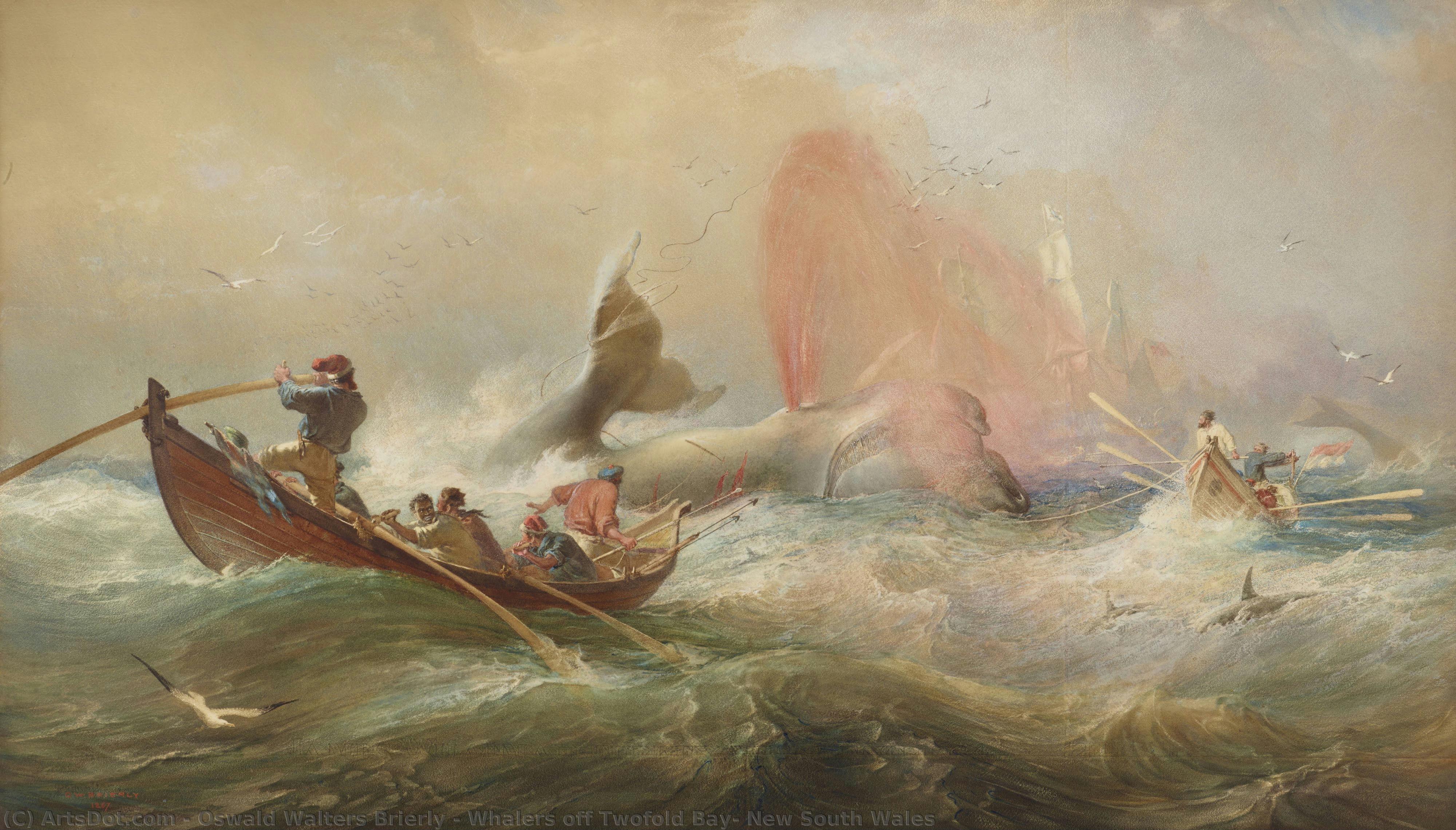
Whalers off Twofold Bay, New South Wales
 Acrylic On Canvas
- WallArt
- Victorian Marine Painting
 1867
1867 107.0 x 169.0 cm
 アートギャラリーオブニューサウスウェルス
 詳細を見る
詳細を見る
ジークレー/アートプリント
迅速な制作と多彩な仕上げオプションを備えた、ミュージアムクオリティのジークレーまたはキャンバスプリント。 ( 手描きの絵画を購入 画像を購入)




P118B $10

P118H $10

P118W $10

P438Z $10

P508JH $12

P508YH $12

P805H $10

P805Z $10

P919BZ $10

P919G $10

P919XJ $10

P959ZH $10

P968JZ $12

W106C $8

W218G $10

W218JH $8

W218Y $10

W307PJ $10

W316G $10

W316PJ $8

W316Y $10

W398PJ $8

W4111J $10

W500HY $15

W500JH $15

W692G $12

W849H $8

W940BG $15

W953PJ $8




作品のオリジナル比率に合わせた、当店の規定サイズからお選びください。

特定のフレームやスペースに合わせて、ご自身でサイズを指定することも可能です。選択されたサイズが元の画像の比率と一致しない場合、作品をトリミングするか、鏡面反射または単色での塗りつぶしによって画像を拡張いたします。制作を開始する前に、ご確認用のデジタルモックアップをお送りいたします。
画面上のプレビューには、実際のトリミングや拡張は反映されませんのでご注意ください。最終的な構図を正確に確認できるのは、モックアップのみとなります。
カスタムサイズも承っておりますが、元の比率を維持するためには、あらかじめ用意されたリストからサイズを選択することをお勧めいたします。


 ガラスオプションは、110cm未満のサイズでのみご利用いただけます。

Whalers off Twofold Bay, New South Wales
ジークレー/アートプリント
複製画のサイズ
-


合計金額
$ 62
Whalers off Twofold Bay, New South Wales – A Symphony of Light and Labor
Oswald Walters Brierly’s “Whalers off Twofold Bay” transcends mere depiction; it embodies the spirit of Victorian Australia—a collision between scientific observation and romantic grandeur. Painted in 1867, shortly after Brierly's return from his seafaring expeditions to Antarctica and New Zealand, this watercolour captures a pivotal moment in colonial history: the burgeoning whaling industry alongside the indigenous traditions of the Yuin people who had long hunted whales at Twofold Bay. The scene unfolds on the rugged coastline of New South Wales, where a small sailboat battles against turbulent seas as it pursues cetaceans—primarily orcas—driven into the bay by skillful maneuvering.- Subject Matter: The painting focuses on the practical realities of whaling – the relentless pursuit of whales for their valuable blubber – juxtaposed with the beauty of the marine environment and the camaraderie of the crew.
- Style: Brierly’s style is characterized by meticulous detail and a masterful use of light and shadow, reflecting the influence of Luminism—a movement that prioritized atmospheric perspective and tonal gradation to convey mood and emotion.
- Technique: Employing watercolour with white highlights and scraping out techniques, Brierly achieved remarkable textural effects, capturing the spray of seawater and the weathered appearance of the boat’s timbers. The artist skillfully rendered the dynamic movement of the whales and the sailors, conveying a palpable sense of urgency and excitement.
Historical Context – Colonial Ambition Meets Indigenous Harmony
The painting's significance lies not only in its artistic merit but also in its reflection of Australia’s colonial ambitions during Queen Victoria’s reign. Benjamin Boyd established a whaling station at Twofold Bay, capitalizing on the region’s whale populations and attracting investors from Britain. However, Brierly’s depiction acknowledges the complex relationship between European enterprise and Aboriginal culture. The Yuin people had longstanding traditions of whale hunting, collaborating with orcas to maximize their harvests—a practice that contrasted sharply with the increasingly industrialized slaughter methods adopted by commercial whaling operations. This duality is subtly conveyed through the painting's composition, highlighting both the grandeur of maritime adventure and the vulnerability of traditional ways of life.Symbolism – Fearlessness Amidst Chaos
Beyond its factual representation of whaling activity, “Whalers off Twofold Bay” speaks to themes of courage and resilience. The whales themselves symbolize formidable adversaries—a force of nature demanding respect and confronting the sailors with imminent danger. Yet, Brierly’s portrayal isn't merely one of terror; it captures a moment of intense concentration and determination as the crew strives to overcome obstacles. The artist’s deliberate use of color—particularly the dominant blues and whites—evokes the vastness of the ocean and conveys an atmosphere of exhilaration.Emotional Impact – Capturing Victorian Majesty
Ultimately, Brierly's watercolour succeeds in conveying the spirit of its time—a period marked by scientific curiosity alongside imperial optimism. The painting’s luminous palette and dynamic brushstrokes evoke a sense of adventure and wonder, transporting viewers back to 1867 Australia. It serves as a testament to Brierly’s ability to transform observation into art, capturing not just what he saw but also the emotional resonance of the scene—a celebration of human endeavor against the backdrop of breathtaking natural beauty.関連作品


アーティストの略歴
A Mariner's Eye for Victorian Majesty
Oswald Walters Brierly stands as a prominent figure in 19th-century British marine painting, renowned not merely for his technical skill but also for his unwavering dedication to capturing the grandeur and drama of naval life during Queen Victoria’s reign. Born in Chester, Cheshire, in 1817, Brierly descended from an established family with roots stretching back centuries, fostering within him a predisposition towards artistic pursuits nurtured by his father, Thomas Brierly, a physician who himself dabbled in amateur painting. This familial encouragement propelled him toward formal art education at the academy of Henry Sass in Bloomsbury, where he honed his observational abilities and developed a foundational understanding of artistic principles that would later define his meticulous approach to the sea.
The trajectory of Brierly's life was profoundly shaped by his immersion in the maritime world. Beyond the studio, he sought knowledge at Plymouth, studying naval architecture and rigging—a discipline that instilled in him a scientific accuracy regarding the anatomy of ships. This technical expertise allowed him to render vessels with an authenticity that resonated deeply with contemporary audiences. His artistic journey was further enriched by transformative voyages; notably, his 1842 expedition aboard Benjamin Boyd’s yacht, the Wanderer, which carried him from Liverpool to Sydney. This odyssey across the globe exposed him to breathtaking landscapes and the raw power of the ocean, cementing a lifelong fascination with the boundless beauty and unpredictable temperament of the maritime realm.
The Art of the Voyage and Royal Recognition
Brierly’s artistic sensibilities were undeniably molded by the spirit of Romanticism, absorbing elements of Turner’s atmospheric landscapes and Constable’s serene depictions of nature. However, he swiftly distinguished himself through a singular focus on the marine realm, blending the emotional weight of Romanticism with the precision of a naval architect. His work often captured the tension between the fragile human element and the overwhelming majesty of the sea, whether depicting the calm of a sheltered bay or the terrifying squall of a storm. During his time in New South Wales, Brierly even ventured into the realm of murals, painting scenes such as H.M.S. Rattlesnake in a squall off the Island of Timor, which are celebrated as some of the earliest significant maritime murals in Australia.
The pinnacle of his professional success arrived through royal patronage and official appointments. Recognizing his exceptional talent for documenting the naval splendor of the era, Queen Victoria appointed Brierly as her official marine painter. This prestigious role placed him at the heart of British maritime history, tasking him with capturing the very essence of the Empire's naval might. His ability to translate the complex rigging, the play of light on salt spray, and the disciplined movement of men-of-war into evocative canvases earned him a lasting legacy. Through his brush, the triumphs and the quiet, rhythmic beauty of the Victorian navy were preserved for posterity, making him not just a painter of ships, but a chronicler of an era's maritime soul.
Legacy of a Master Marine Painter
The historical significance of Sir Oswald Walters Brierly lies in his unique ability to marry scientific observation with artistic emotion. His works serve as vital historical documents, providing a window into the naval technology and the atmospheric conditions of the 19th century. The enduring appeal of his paintings can be found in several key elements:
- Technical Precision: His deep understanding of naval architecture ensured that every mast, sail, and hull was rendered with an accuracy that commanded respect from sailors and scholars alike.
- Atmospheric Depth: By utilizing the light and shadow techniques characteristic of his era, he breathed life into the sea, making the water appear as a living, breathing entity.
- Historical Documentation: His depictions of specific vessels, such as the Pique and the Gorgon, provide an invaluable visual record of the ships that defined British naval supremacy.
- Global Perspective: His travels from the English coast to the Australian frontier allowed him to bring a diverse range of maritime environments into the Victorian art canon.
Today, Brierly's work continues to captivate collectors and historians, standing as a testament to a life spent navigating both the literal and metaphorical currents of the great oceans. His legacy remains anchored in the profound respect he held for the sea and his unparalleled ability to render its majesty upon the canvas.
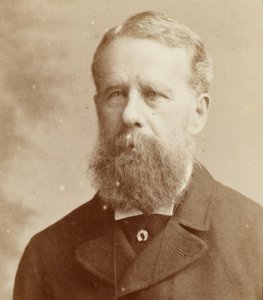
oswald walters brierly
1817 - 1894 , United Kingdom
基本情報
- Artistic Movement Or Style: Marine Painting
- Artists Or Movements Influenced By This Artist: ['Royal Navy']
- Artists Who Influenced This Artist: ['Benjamin Boyd']
- Date Of Birth: 1817
- Full Name: Oswald Walters Brierly
- Nationality: British
- Notable Artworks:
- The Harbour
- The Sea
- Place Of Birth: Chester, United Kingdom
関連記事
James E. Buttersworth: Navigating the Seas of Victorian Marine Painting
Explore the captivating world of James Edward Buttersworth, a foremost Victorian marine painter. Discover his meticulous ship portraits, America's Cup chronicles & enduring legacy in museums worldwide. Learn about his technique and style.
Henry Thomas Dawson: Navigating Light, Sea & Sentiment in Victorian Marine Painting
Explore the captivating world of Henry Thomas Dawson (1811-1878), a master of Victorian marine painting. Discover his evocative coastal scenes, landscapes & lasting artistic legacy. Learn about collecting Dawson's work and find reproductions at ArtsDot.

The Refined Aesthetic of Victorian Illustration: A Study in Narrative & Technique
Explore the captivating world of Victorian illustration! Discover Pre-Raphaelite influences, key artists like Rossetti & Stephens, and the era's rich narrative detail. A deep dive for art enthusiasts.
William Powell Frith: Narratives of Victorian Society & the Rise of Realist Painting
Explore the life & works of William Powell Frith, the 'greatest British painter of social scenes.' Discover his iconic Victorian genre paintings and learn about his lasting impact on realist art. Hand-painted reproductions available.
Samuel Walters: Capturing Victorian Maritime Life with Precision & Artistry
Explore the exquisite maritime paintings of Samuel Walters (1811-1882). Discover his mastery of detail, historical scenes & influence on Victorian art. Learn about collecting his works and find high-quality reproductions at ArtsDot.

