

 プレビュー
プレビュー
 シェアする
シェアする シェアする
シェアする
 詳細を見る
詳細を見る

 ダウンロード
 似ている作品
 X線調査
X線調査 スライドショー
 統計情報
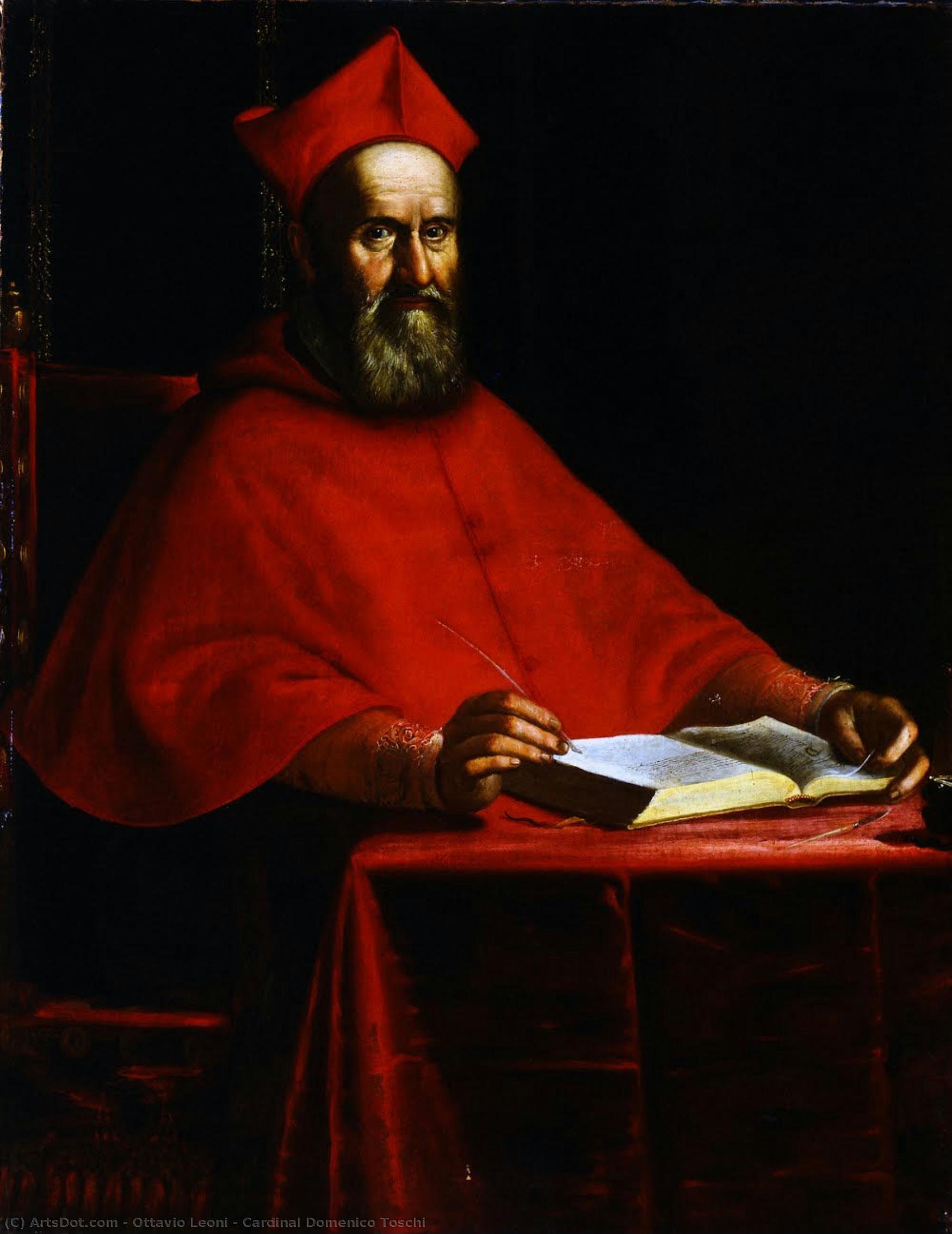
統計情報Cardinal Domenico Toschi
 Oil
Oil- WallArt
- Baroque
 Early Modern
 98.0 x 125.0 cm
 Civic Museums of Reggio Emilia
 詳細を見る
詳細を見る
オンラインプレビューをはるかに凌ぐ、高解像度で鮮明なデジタル画像をご購入いただけます。
各ファイルは、社内の専門家が高度なツールと熟練した手作業によるレタッチを用いて、細心の注意を払って準備されています。すべての画像において、卓越した鮮明度、正確な色彩再現性、そして繊細なディテールを保証いたします。
最終ファイルは、プロフェッショナルな編集・印刷環境ですぐにご利用いただけるよう最適化された状態で、72時間以内にメールにてお届けいたします。これは、一流のデザインスタジオ、出版社、ギャラリーから信頼されているものと同等の品質です。
デジタルアート
個人での鑑賞、印刷、クリエイティブなプロジェクト用に、高解像度ファイルをダウンロードできます。 ( プリント版に切り替え 手描きの絵画を購入)
デジタル画像のご注文に付随する特典
高品質なデジタル画像配信を、確かな品質で。
ArtsDot.com を選ぶことは、単に画像を手に入れることではありません。それは、プロの手によって精密に仕上げられ、満足保証が付いた高品質なデジタルアートワークを受け取ることを意味します。ご注文いただいた際に自動的に付随する内容は、以下の通りです:

メールですぐにお届け
ご注文から72時間以内に、高解像度のデジタル画像ファイルがメールでお手元に届きます。すぐにそのままご利用いただけます。

AI技術で最適化されたデジタルファイル
お客様の作品は、高度なAIツールと専門家による手作業の編集を組み合わせてプロフェッショナルに最適化されており、細部のディテール、鮮明さ、そして正確な色再現性を最大限に引き出しています。

一生涯無料の再送サービス
ファイルを誤って削除したり、紛失してしまったりしましたか?ご安心ください。いつでも無料で再送いたします。

輸入手数料は一切かかりません
関税や手数料、配送料を気にすることなく、お気に入りのアートワークをすぐにお楽しみいただけます。デジタルダウンロードは常に免税です。

色彩再現の保証
プロ仕様のツールとカラーマネジメント技術を用いることで、デジタル画像が元の色を最大限に忠実に再現することを保証いたします。

100日間満足保証
ご購入いただいたデジタル画像にご満足いただけない場合は、100日以内であれば、理由を問わず修正または100%の返金対応をさせていただきます。

100% 返金保証
ご満足いただけない場合は、デジタルファイルを受け取ってから100日以内であれば、理由を問わず全額返金いたします。

まとめ買い割引
3枚購入で10%OFF - 5枚購入で15%OFF - 10枚以上購入で20%OFF。クリエイティブなプロジェクト、ギャラリー、エージェンシーに最適です。
A Vision of Baroque Dignity
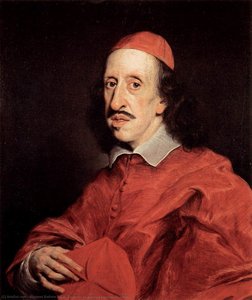
In the quiet intensity of Ottavio Leoni’s Cardinal Domenico Toschi, we are invited into a moment of profound scholarly devotion. This striking portrait serves as more than just a likeness; it is a window into the spiritual and intellectual weight of the early Baroque era. The subject, draped in the unmistakable, vibrant crimson robes of his station, sits anchored at a wooden table, his presence commanding yet contemplative. Before him lies an open book—likely a sacred text or Bible—whose pages catch the light, suggesting a life dedicated to the pursuit of divine wisdom. Leoni masterfully captures the texture of the heavy fabric and the weathered, dignified features of the Cardinal, creating a composition that feels both intimate and monumental.
The painting is a triumph of character study, where every wrinkle and fold tells a story of authority and age. The interplay of light and shadow—a hallmark of the Roman Baroque style—sculpts the Cardinal’s face, highlighting the wisdom etched into his brow and the texture of his beard. This technique does not merely illuminate the subject; it imbues him with a psychological depth that draws the viewer into his silent meditation. For the collector or interior designer, this piece offers a sense of historical gravity, making it an ideal centerpiece for spaces that demand an atmosphere of sophistication, intellect, and timelessness.
The Artistry of a Forgotten Master
Though Ottavio Leoni remains a somewhat obscured figure in the vast annals of art history, his technical prowess is undeniably evident in this work. Trained under the guidance of his father, Lodovico Leoni, Ottavio brought a refined elegance to the Roman portraiture scene. His ability to render the tactile reality of silk, skin, and paper demonstrates a sophisticated command over oil painting techniques. The way the light dances across the surface of the table and settles into the deep folds of the red robes showcases a mastery of chiarosc de la—the dramatic contrast between light and dark that defines the era.
Beyond its aesthetic beauty, the portrait carries a profound emotional resonance. There is a stillness in the Cardinal’s gaze that evokes a sense of peace and steadfastness. This quality makes the artwork particularly captivating for those looking to introduce a sense of calm and classical elegance into a modern interior. Whether displayed in a private library, a formal study, or a grand hallway, a high-quality reproduction of this masterpiece brings with it the prestige of the Roman Baroque, offering an enduring connection to the spiritual and artistic heritage of 17th-century Italy.
関連作品
作家の略歴
The Rediscovered Roman Portraitist
Ottavio Leoni, a name that whispers through the corridors of the early Baroque era, remains one of the most intriguing enigmas of the Roman art scene. Born in Rome around 1578, Leoni emerged from a lineage of artistic talent, being the son of the respected painter Lodovico Leoni. This familial foundation provided him with more than just technical instruction; it immersed him in the rich, evolving traditions of Venetian-influenced painting that were then sweeping through Italy. While history has often relegated him to the shadows of his more famous contemporaries, a closer examination of his surviving works reveals an artist of profound elegance and a master of the psychological depth required for true portraiture.
Leoni’s artistic journey was defined by a remarkable ability to capture the dignity and spiritual weight of his subjects. His training allowed him to navigate the complex textures of the era, blending the soft light of the Venetian school with the dramatic, emerging intensity of the Roman Baroque. This duality is perhaps most evident in his religious commissions, where he demonstrated a command over chiaroscroll—the masterful use of light and shadow to create volume and emotional resonance. In works such as the Annunciation for Sant’Eustachio and the Virgin and Child with St. Giacomo for Santa Maria della Minerva, Leoni does not merely depict sacred figures; he breathes a palpable sense of reverence into them, using light to illuminate the divine within the human form.
Mastery of Form and the Baroque Spirit
Beyond the altarpieces that adorned Rome's great churches, Leoni found his true calling in the intimate realm of portraiture and printmaking. He possessed a rare gift for translating the social standing and inner character of his sitters onto canvas and copper. His portraits, such as the striking depiction of Cardinal Domenico Toschi, are studies in texture and status, where the heavy, rich red robes of the clergy are rendered with such meticulous detail that one can almost feel the weight of the fabric. This technical precision was matched by an ability to convey a sense of presence, making his subjects appear as living entities frozen in a moment of quiet contemplation.
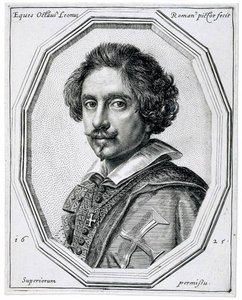
Leoni’s versatility extended into the delicate medium of engraving, where he achieved a level of fame that briefly bridged the gap between obscurity and recognition. His groundbreaking engraving of Caravaggio's work serves as a testament to his ability to interpret the most revolutionary visual language of his time. Whether working on large-scale oil paintings or the fine surface of copper, Leoni’s hand was characterized by a certain rhythmic grace. Even in his Self-Portrait, we see an artist deeply aware of his place in history, presenting himself with a dignified presence that reflects both his personal pride and the professional standard he maintained as the president of the Accademia di San Luca.
Legacy and Historical Significance
The life of Ottavio Leoni was tragically cut short in 1630, leaving behind a body of work that serves as a vital link in the evolution of Roman Baroque art. Though he may have slipped into relative obscurity following his death, the rediscovery of his oeuvre offers invaluable insights into the artistic ecosystem of 17th-century Rome. His ability to synthesize different regional styles—the luminosity of Venice and the drama of Rome—helped pave the way for the full flowering of the Baroque period.
To study Leoni is to witness the transition of an era. His contributions can be summarized through several key artistic pillars:
- Technical Synthesis: The seamless integration of Venetian coloristic traditions with Roman structural clarity.
- Psychological Portraiture: A profound ability to capture the social hierarchy and individual soul of the Roman elite and clergy.
- Printmaking Innovation: His role in disseminating the visual impact of the Baroque through masterful engravings.
- Institutional Leadership: His significant influence as a leader within the Accademia di San Luca, shaping the standards of Roman artistry.
Today, as scholars and art enthusiasts continue to peel back the layers of his forgotten history, Ottavio Leoni stands not just as a footnote, but as a vital protagonist in the grand narrative of Italian art.
Ottavio Leoni
1578 - 1630 , Italy
プロフィール概要
- Artistic Movement Or Style: Early Baroque
- Artists Or Movements Influenced By This Artist: ['Renaissance']
- Artists Who Influenced This Artist: ['Michelangelo Merisi Caravaggio']
- Date Of Birth: Rome, Italy (1578)
- Date Of Death: 4 September 1630
- Full Name: Ottavio Leoni
- Nationality: Italian
- Notable Artworks:
- Portrait of Guido Reni
- Self-Portrait
- A Cardinal's Procession
- Place Of Birth: Rome