

 プレビュー
プレビュー
 シェアする
シェアする シェアする
シェアする
 詳細を見る
詳細を見る

 ダウンロード
 似ている作品
 X線調査
X線調査 スライドショー
 統計情報
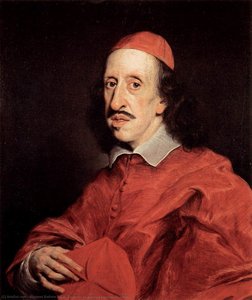
統計情報Cardinal Domenico Toschi
 Oil
Oil- WallArt
- Baroque
 Early Modern
 98.0 x 125.0 cm
 Civic Museums of Reggio Emilia
 詳細を見る
詳細を見る
ジークレー/アートプリント
迅速な制作と多彩な仕上げオプションを備えた、ミュージアムクオリティのジークレーまたはキャンバスプリント。 ( 手描きの絵画を購入 デジタル画像販売へ切り替え)




P118B $10

P118H $10

P118W $10

P438Z $10

P508JH $12

P508YH $12

P805H $10

P805Z $10

P919BZ $10

P919G $10

P919XJ $10

P959ZH $10

P968JZ $12

W106C $8

W218G $10

W218JH $8

W218Y $10

W307PJ $10

W316G $10

W316PJ $8

W316Y $10

W398PJ $8

W4111J $10

W500HY $15

W500JH $15

W692G $12

W849H $8

W940BG $15

W953PJ $8




作品のオリジナル比率に合わせた、当店の規定サイズからお選びください。

特定のフレームやスペースに合わせて、ご自身でサイズを指定することも可能です。選択されたサイズが元の画像の比率と一致しない場合、作品をトリミングするか、鏡面反射または単色での塗りつぶしによって画像を拡張いたします。制作を開始する前に、ご確認用のデジタルモックアップをお送りいたします。
画面上のプレビューには、実際のトリミングや拡張は反映されませんのでご注意ください。最終的な構図を正確に確認できるのは、モックアップのみとなります。
カスタムサイズも承っておりますが、元の比率を維持するためには、あらかじめ用意されたリストからサイズを選択することをお勧めいたします。


 ガラスオプションは、110cm未満のサイズでのみご利用いただけます。

Cardinal Domenico Toschi
ジークレー/アートプリント
複製画のサイズ
-


合計金額
$ 62
A Vision of Baroque Dignity
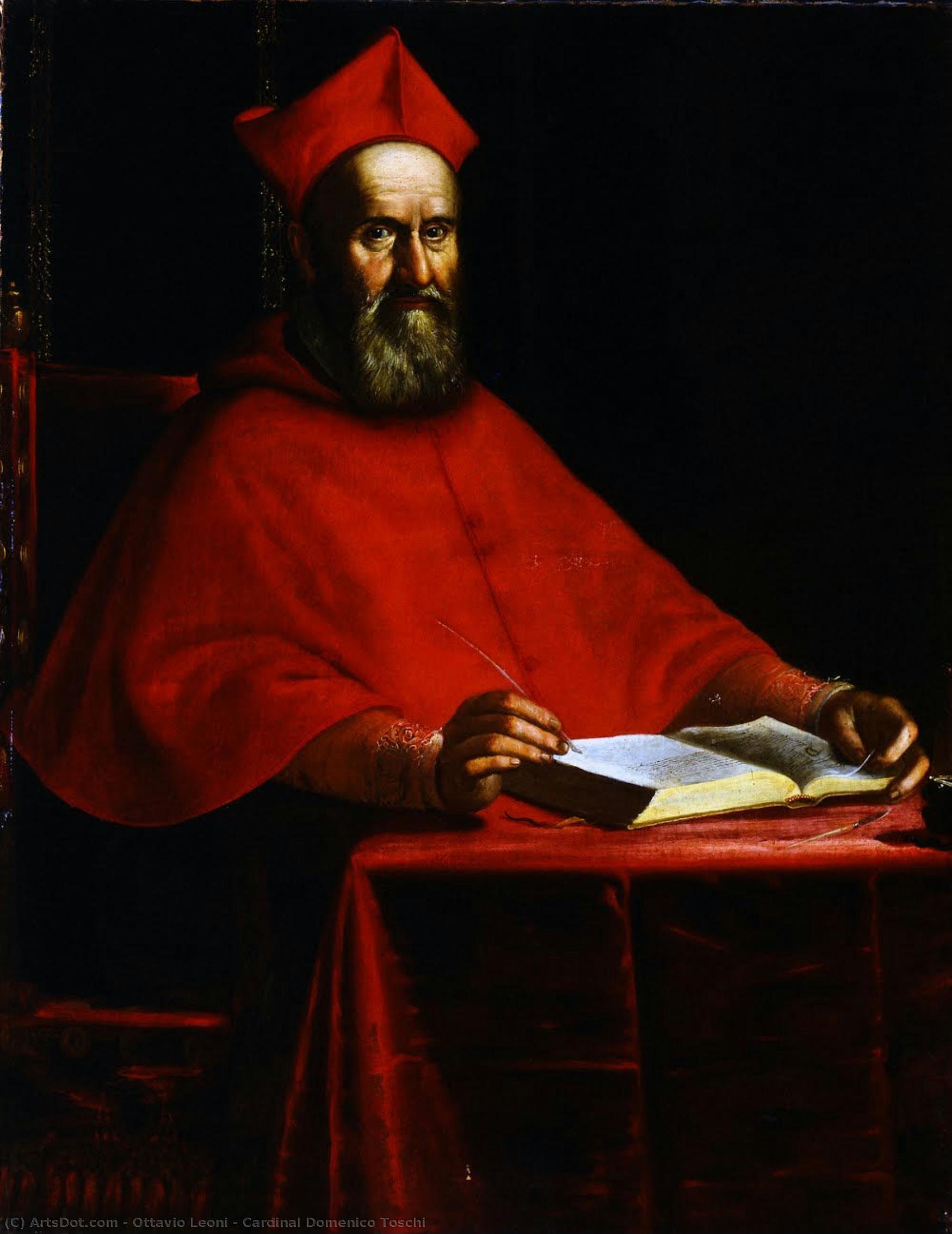
In the quiet intensity of Ottavio Leoni’s Cardinal Domenico Toschi, we are invited into a moment of profound scholarly devotion. This striking portrait serves as more than just a likeness; it is a window into the spiritual and intellectual weight of the early Baroque era. The subject, draped in the unmistakable, vibrant crimson robes of his station, sits anchored at a wooden table, his presence commanding yet contemplative. Before him lies an open book—likely a sacred text or Bible—whose pages catch the light, suggesting a life dedicated to the pursuit of divine wisdom. Leoni masterfully captures the texture of the heavy fabric and the weathered, dignified features of the Cardinal, creating a composition that feels both intimate and monumental.
The painting is a triumph of character study, where every wrinkle and fold tells a story of authority and age. The interplay of light and shadow—a hallmark of the Roman Baroque style—sculpts the Cardinal’s face, highlighting the wisdom etched into his brow and the texture of his beard. This technique does not merely illuminate the subject; it imbues him with a psychological depth that draws the viewer into his silent meditation. For the collector or interior designer, this piece offers a sense of historical gravity, making it an ideal centerpiece for spaces that demand an atmosphere of sophistication, intellect, and timelessness.
The Artistry of a Forgotten Master
Though Ottavio Leoni remains a somewhat obscured figure in the vast annals of art history, his technical prowess is undeniably evident in this work. Trained under the guidance of his father, Lodovico Leoni, Ottavio brought a refined elegance to the Roman portraiture scene. His ability to render the tactile reality of silk, skin, and paper demonstrates a sophisticated command over oil painting techniques. The way the light dances across the surface of the table and settles into the deep folds of the red robes showcases a mastery of chiarosc de la—the dramatic contrast between light and dark that defines the era.
Beyond its aesthetic beauty, the portrait carries a profound emotional resonance. There is a stillness in the Cardinal’s gaze that evokes a sense of peace and steadfastness. This quality makes the artwork particularly captivating for those looking to introduce a sense of calm and classical elegance into a modern interior. Whether displayed in a private library, a formal study, or a grand hallway, a high-quality reproduction of this masterpiece brings with it the prestige of the Roman Baroque, offering an enduring connection to the spiritual and artistic heritage of 17th-century Italy.
関連作品
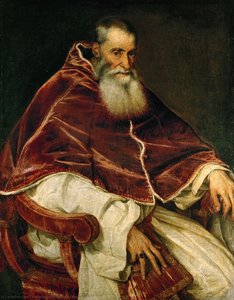
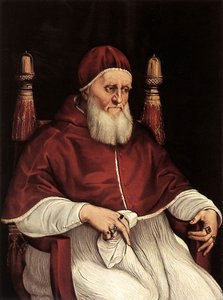
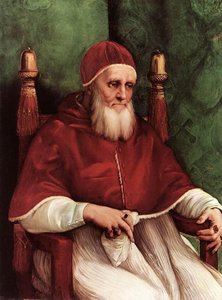
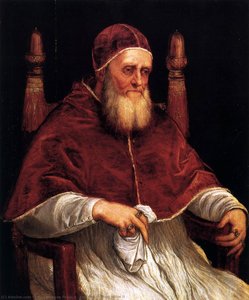
アーティストの略歴
The Rediscovered Roman Portraitist
Ottavio Leoni, a name that whispers through the corridors of the early Baroque era, remains one of the most intriguing enigmas of the Roman art scene. Born in Rome around 1578, Leoni emerged from a lineage of artistic talent, being the son of the respected painter Lodovico Leoni. This familial foundation provided him with more than just technical instruction; it immersed him in the rich, evolving traditions of Venetian-influenced painting that were then sweeping through Italy. While history has often relegated him to the shadows of his more famous contemporaries, a closer examination of his surviving works reveals an artist of profound elegance and a master of the psychological depth required for true portraiture.
Leoni’s artistic journey was defined by a remarkable ability to capture the dignity and spiritual weight of his subjects. His training allowed him to navigate the complex textures of the era, blending the soft light of the Venetian school with the dramatic, emerging intensity of the Roman Baroque. This duality is perhaps most evident in his religious commissions, where he demonstrated a command over chiaroscroll—the masterful use of light and shadow to create volume and emotional resonance. In works such as the Annunciation for Sant’Eustachio and the Virgin and Child with St. Giacomo for Santa Maria della Minerva, Leoni does not merely depict sacred figures; he breathes a palpable sense of reverence into them, using light to illuminate the divine within the human form.
Mastery of Form and the Baroque Spirit
Beyond the altarpieces that adorned Rome's great churches, Leoni found his true calling in the intimate realm of portraiture and printmaking. He possessed a rare gift for translating the social standing and inner character of his sitters onto canvas and copper. His portraits, such as the striking depiction of Cardinal Domenico Toschi, are studies in texture and status, where the heavy, rich red robes of the clergy are rendered with such meticulous detail that one can almost feel the weight of the fabric. This technical precision was matched by an ability to convey a sense of presence, making his subjects appear as living entities frozen in a moment of quiet contemplation.
Leoni’s versatility extended into the delicate medium of engraving, where he achieved a level of fame that briefly bridged the gap between obscurity and recognition. His groundbreaking engraving of Caravaggio's work serves as a testament to his ability to interpret the most revolutionary visual language of his time. Whether working on large-scale oil paintings or the fine surface of copper, Leoni’s hand was characterized by a certain rhythmic grace. Even in his Self-Portrait, we see an artist deeply aware of his place in history, presenting himself with a dignified presence that reflects both his personal pride and the professional standard he maintained as the president of the Accademia di San Luca.
Legacy and Historical Significance
The life of Ottavio Leoni was tragically cut short in 1630, leaving behind a body of work that serves as a vital link in the evolution of Roman Baroque art. Though he may have slipped into relative obscurity following his death, the rediscovery of his oeuvre offers invaluable insights into the artistic ecosystem of 17th-century Rome. His ability to synthesize different regional styles—the luminosity of Venice and the drama of Rome—helped pave the way for the full flowering of the Baroque period.
To study Leoni is to witness the transition of an era. His contributions can be summarized through several key artistic pillars:
- Technical Synthesis: The seamless integration of Venetian coloristic traditions with Roman structural clarity.
- Psychological Portraiture: A profound ability to capture the social hierarchy and individual soul of the Roman elite and clergy.
- Printmaking Innovation: His role in disseminating the visual impact of the Baroque through masterful engravings.
- Institutional Leadership: His significant influence as a leader within the Accademia di San Luca, shaping the standards of Roman artistry.
Today, as scholars and art enthusiasts continue to peel back the layers of his forgotten history, Ottavio Leoni stands not just as a footnote, but as a vital protagonist in the grand narrative of Italian art.
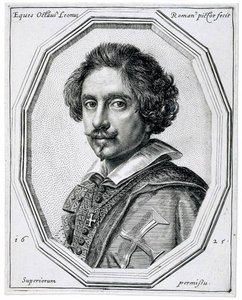
Ottavio Leoni
1578 - 1630 , Italy
基本情報
- Artistic Movement Or Style: Early Baroque
- Artists Or Movements Influenced By This Artist: ['Renaissance']
- Artists Who Influenced This Artist: ['Michelangelo Merisi Caravaggio']
- Date Of Birth: Rome, Italy (1578)
- Date Of Death: 4 September 1630
- Full Name: Ottavio Leoni
- Nationality: Italian
- Notable Artworks:
- Portrait of Guido Reni
- Self-Portrait
- A Cardinal's Procession
- Place Of Birth: Rome
関連記事
Theatricality & Triumph: Baroque Drama in Painting & Sculpture
Explore the dramatic world of Baroque art! Discover its history, defining characteristics, & lasting influence on painting & sculpture. Expert insights into Caravaggio, Zurbarán, and Bernini – plus high-quality reproductions at ArtsDot.

バロック美術を極めた至宝:時代を彩る10大名作の世界
バロック美術の華!カラヴァッジョ、ベルニーニら巨匠が創り上げた10大名作を徹底解剖。ドラマチックな色彩と豪華絢爛の世界観に触れ、至宝のアートプリントで空間を彩ろう。ArtsDot.comで美術館品質の複製と洗練されたインテリアを見つけましょう!

Crimson Threads of Narrative: Exploring Symbolism & Representation in Artworks Featuring the Red Dress
Explore the rich symbolism of the red dress in art history! From ancient power displays to iconic portraits like Cézanne’s 'Madame Cezanne', discover the cultural and artistic significance behind this captivating color. Expert analysis & insights.

バロックのドラマ:現代のインテリアに壮麗さと情感を取り込む
バロック様式の歴史、絵画、家具の魅力をご紹介。ArtsDotでは、高品質な油絵複製やカスタムポートレートをご提供し、現代のインテリアに壮麗さと情感を取り入れます。アートコンサルテーションも承ります。

The Dramatic Flourish: Exploring the Baroque Movement's Enduring Legacy in Art History
Explore the dramatic world of Baroque art! Discover iconic artists like Caravaggio & Rubens, defining techniques, and its lasting impact on art history. Expert insights for collectors & enthusiasts at ArtsDot.