

 プレビュー
プレビュー
 プリントを購入
 シェアする
シェアする シェアする
シェアする
 詳細を見る
詳細を見る

 ダウンロード
 似ている作品
 X線調査
X線調査 スライドショー
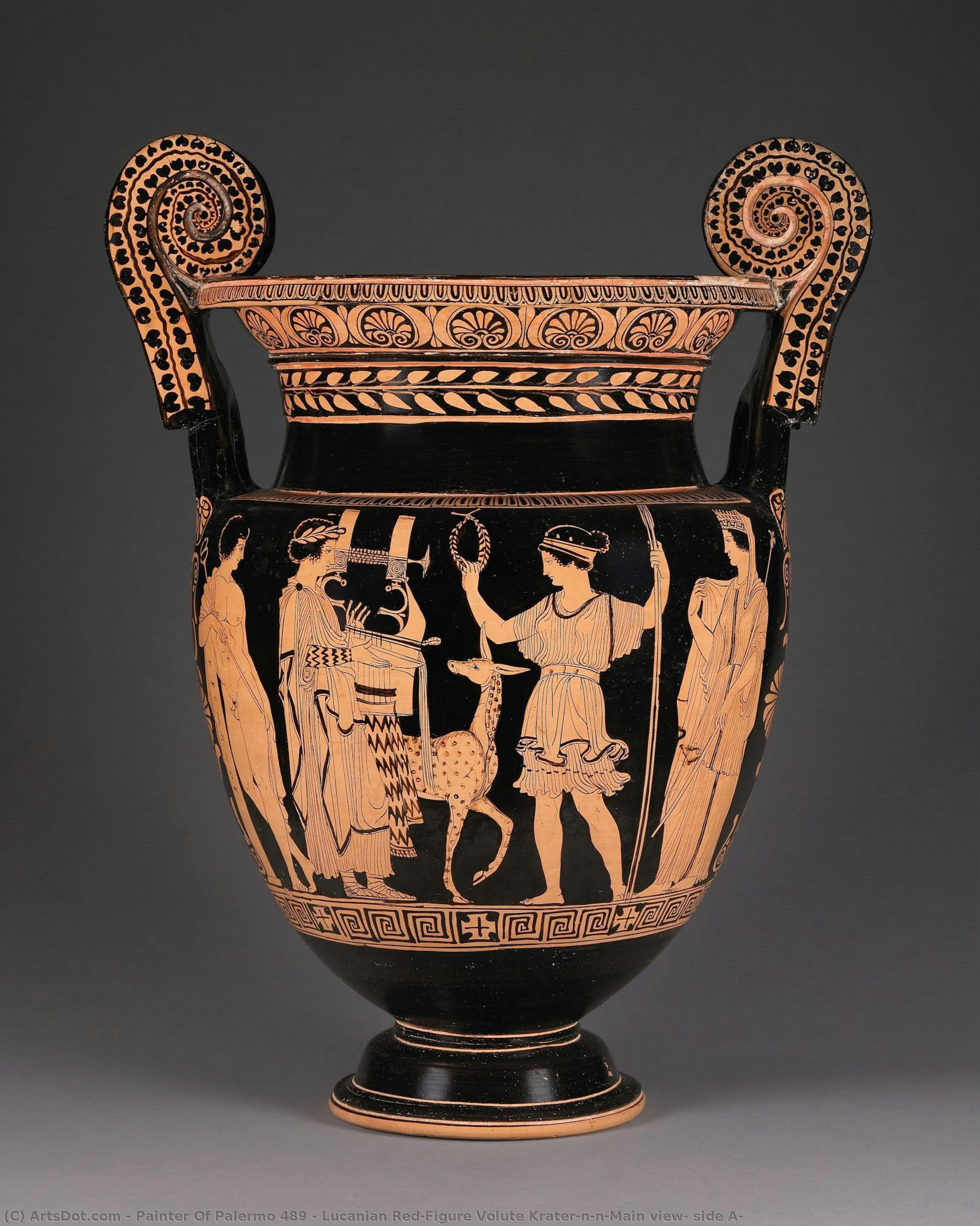
Lucanian Red-Figure Volute Krater\n\n(Main view, side A)
 Acrylic On Canvas
- WallArt
- Early Corinthian Style
 56.0 x 34.0 cm
 J・ポール・ゲティ美術館
 詳細を見る
詳細を見る
オンラインプレビューをはるかに凌ぐ、高解像度で鮮明なデジタル画像をご購入いただけます。
各ファイルは、社内の専門家が高度なツールと熟練した手作業によるレタッチを用いて、細心の注意を払って準備されています。すべての画像において、卓越した鮮明度、正確な色彩再現性、そして繊細なディテールを保証いたします。
最終ファイルは、プロフェッショナルな編集・印刷環境ですぐにご利用いただけるよう最適化された状態で、72時間以内にメールにてお届けいたします。これは、一流のデザインスタジオ、出版社、ギャラリーから信頼されているものと同等の品質です。
デジタル画像のご注文に付随する特典
高品質なデジタル画像配信を、確かな品質で。
ArtsDot.com を選ぶことは、単に画像を手に入れることではありません。それは、プロの手によって精密に仕上げられ、満足保証が付いた高品質なデジタルアートワークを受け取ることを意味します。ご注文いただいた際に自動的に付随する内容は、以下の通りです:

メールですぐにお届け
ご注文から72時間以内に、高解像度のデジタル画像ファイルがメールでお手元に届きます。すぐにそのままご利用いただけます。

AI技術で最適化されたデジタルファイル
お客様の作品は、高度なAIツールと専門家による手作業の編集を組み合わせてプロフェッショナルに最適化されており、細部のディテール、鮮明さ、そして正確な色再現性を最大限に引き出しています。

一生涯無料の再送サービス
ファイルを誤って削除したり、紛失してしまったりしましたか?ご安心ください。いつでも無料で再送いたします。

輸入手数料は一切かかりません
関税や手数料、配送料を気にすることなく、お気に入りのアートワークをすぐにお楽しみいただけます。デジタルダウンロードは常に免税です。

色彩再現の保証
プロ仕様のツールとカラーマネジメント技術を用いることで、デジタル画像が元の色を最大限に忠実に再現することを保証いたします。

60日間満足保証
ご購入いただいたデジタル画像にご満足いただけない場合は、60日以内であれば、修正または100%の返金(理由を問う必要はありません)をさせていただきます。

100% 返金保証
ご満足いただけない場合は、デジタルファイルを受け取ってから60日以内であれば、理由を問わず全額返金いたします。

まとめ買い割引
3枚購入で10%OFF - 5枚購入で15%OFF - 10枚以上購入で20%OFF。クリエイティブなプロジェクト、ギャラリー、エージェンシーに最適です。
関連作品
作家の略歴
The Enigmatic Maestro of Corinthian Black Figure
The history of ancient Greek ceramic art is often written through the shadows of anonymous masters, and few figures loom as large yet remain as mysterious as the painter of Palermo 489. Operating in the vibrant, experimental atmosphere of Corinth, Greece, between approximately 640 and 625 BC, this artist existed during a transformative epoch. It was a time when the decorative, exotic flourishes of the Orientalizing period were beginning to coalesce into the disciplined, narrative power of the black-figure technique. While his true name has been lost to the sands of antiquity, his artistic fingerprint is indelibly pressed upon the evolution of Greek pottery, marking him as a pivotal bridge between two eras of classical expression.
To study the work of the painter of Palermo 4 0 is to witness the birth of a new visual language. His primary medium was the aryballos—small, elegant vessels used for storing precious scented oils—which required a delicate yet commanding hand. Through the masterful use of incised lines and carefully applied pigments, he achieved a level of detail that breathed life into the clay. This technique allowed for an expressive dynamism, where the silhouettes of figures were not merely static shapes but participants in unfolding dramas. His ability to manipulate the dark slip against the pale clay surface provided a stark, rhythmic beauty that would become the hallmark of Corinthian excellence.
A Legacy Carved in Clay and Lineage
The true greatness of the painter of Palermo 489 lies not only in his individual hand but in the lineage of talent he nurtured. He was far more than a solitary craftsman; he was a foundational educator whose influence rippled through generations of Greek artists. Most notably, he served as the mentor to the Columbus Painter, an artist who would go on to refine the black-figure style with even greater vigor. This pedagogical connection created a stylistic chain reaction, extending his artistic DNA to the Chimaira Painter and the broader Chimaira Group.
Through this lineage, we can trace the development of several key artistic elements:
- The Mastery of Form: The transition from purely decorative patterns to structured, anatomical figures.
- Narrative Depth: The integration of Homeric myths and epic poetry into the very fabric of functional objects.
- Technical Precision: The refinement of incision techniques that allowed for more complex storytelling on a miniature scale.
The influence of his pupils, such as the Chimaira Painter, brought even stronger Near Eastern motifs—like the powerful, stylized lions of Assyrian art—into the Corinthian repertoire. Yet, the seeds of this complexity were sown in the workshop of the painter of Palermo 489. He provided the technical foundation and the conceptual framework that allowed his students to push the boundaries of what ceramic art could achieve.
Historical Significance and the Eternal Flame of Art
Though the surviving fragments of his work are scarce, the historical weight of his contribution is undeniable. He stood at the crossroads of tradition and innovation, capturing the moment when Greek art moved away from the purely ornamental and toward the profoundly human. His engagement with mythological themes—tales of gods, heroes, and the epic struggles of antiquity—helped establish a visual vocabulary that would define Mediterranean culture for centuries.
In the study of ancient ceramics, he remains a symbol of the anonymous genius. He reminds us that the progress of art is often driven by those whose names we may never know, but whose vision continues to shape the world. The painter of Palermo 489 did not merely decorate vessels; he helped forge the aesthetic soul of the Corinthian black-figure tradition, ensuring that even in the smallest aryballos, the grandeur of the Greek spirit could be preserved and passed down through the ages.
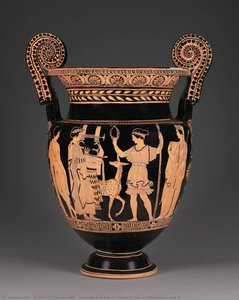
painter of palermo 489
Greece
プロフィール概要
- Artistic Movement Or Style: Black-figure style
- Artists Or Movements Influenced By This Artist: ['Columbus painter']
- Date Of Birth: Living
- Nationality: Greek
- Notable Artworks: ['Aryballoi']
- Place Of Birth: Corinth, Greece

