 プレビュー
プレビュー
 プリントを購入
 シェアする
シェアする シェアする
シェアする
 詳細を見る
詳細を見る

 ダウンロード
 似ている作品
 X線調査
X線調査 スライドショー
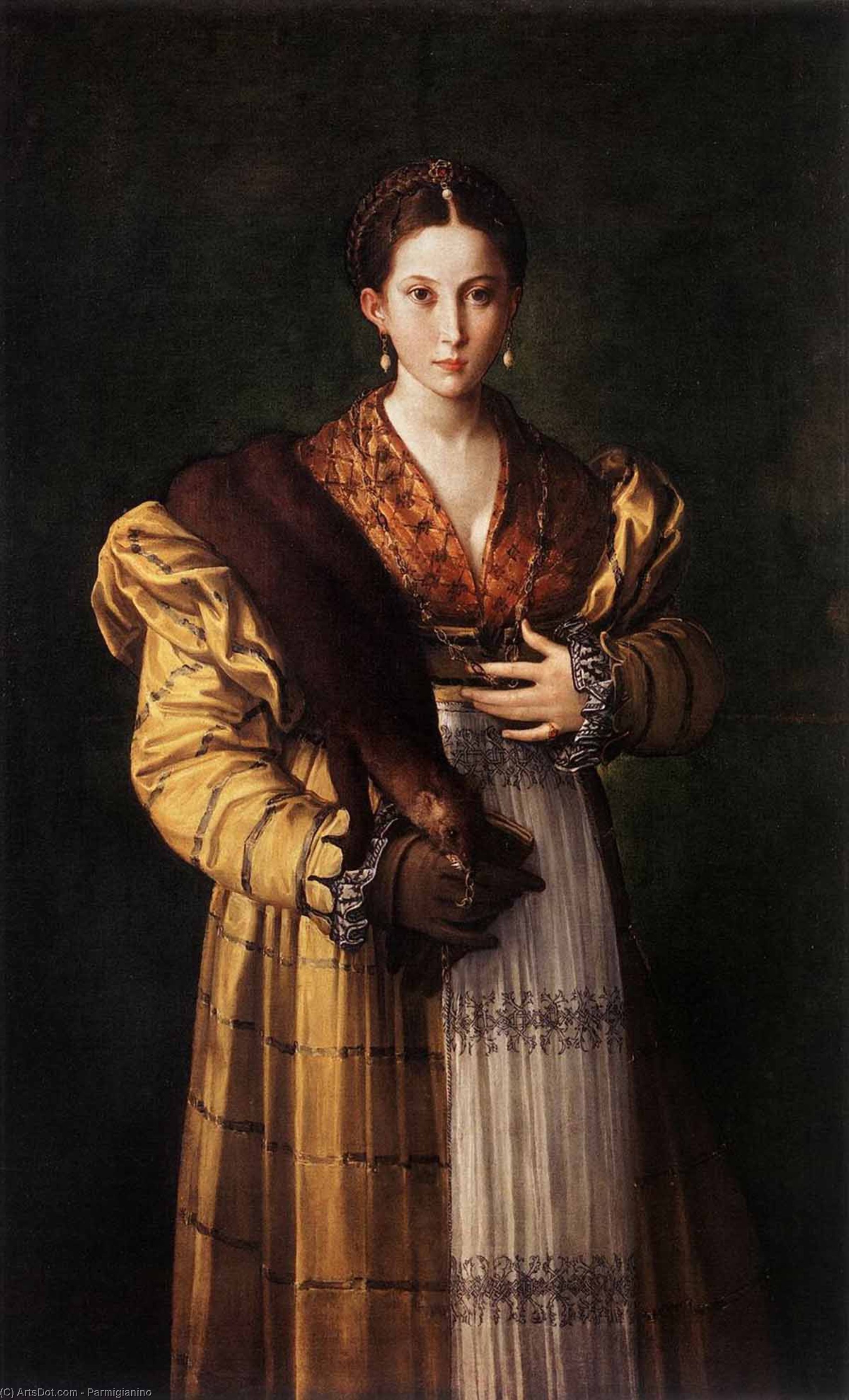
Portrait of a Young Lady
 Oil On Canvas
- WallArt
- Mannerism
 1535
1535 139.0 x 88.0 cm
 カポディモンテ美術館
 詳細を見る
詳細を見る




P118B $10

P118H $10

P118W $10

P438Z $10

P508JH $12

P508YH $12

P805H $10

P805Z $10

P919BZ $10

P919G $10

P919XJ $10

P959ZH $10

P968JZ $12

W106C $8

W218G $10

W218JH $8

W218Y $10

W307PJ $10

W316G $10

W316PJ $8

W316Y $10

W398PJ $8

W4111J $10

W500HY $15

W500JH $15

W692G $12

W849H $8

W940BG $15

W953PJ $8




作品のオリジナル比率に合わせた、当店の規定サイズからお選びください。

特定のフレームやスペースに合わせて、ご希望のサイズをご入力いただけます。選択されたサイズが元の画像の比率と異なる場合、アートワークをトリミングするか、手描きで要素を追加して絵画を拡張いたします。デジタルモックアップ を制作し、制作開始前にご確認(承認)をいただきます。
画面上のプレビューは、実際のトリミングや拡張を正確に反映しているものではありません。最終的な構図は、モックアップによってのみ正確にご確認いただけます。
カスタムサイズもご利用いただけますが、元の比率を維持するためには、あらかじめ用意されたリストからサイズを選択することをお勧めいたします。
ご注文後、ArtsDot.com チームより詳細な指示をお送りするとともに、仕上がりイメージ(モックアップ)をご提供いたします。


 ガラスオプションは、110cm未満のサイズでのみご利用いただけます。

Portrait of a Young Lady
複製技法
複製画のサイズ
-


合計金額
$ 263
作品解説
Portrait of a Young Lady – A Renaissance Enigma
The year is 1537, and within the walls of a modest Parma studio, Parmigianino, already a name whispered with both admiration and intrigue, meticulously captures the essence of a young woman. This isn’t merely a portrait; it's a carefully constructed tableau vivant, a window into the burgeoning world of Mannerism – an artistic movement that prized elegance, refinement, and a subtle distortion of reality over the straightforward realism of the High Renaissance. “Portrait of a Young Lady,” often referred to as “Antea” after a Roman courtesan who has become inextricably linked with the painting’s identity (though this connection remains debated by scholars), is a study in controlled beauty and veiled emotion, demanding close observation and inviting endless interpretation.
The composition immediately draws the eye. The subject, positioned in a three-quarter pose – a revolutionary departure from the prevalent profile views of the time – exudes an almost unnerving serenity. Her gaze, direct and unwavering, establishes an immediate connection with the viewer, while her delicately arched eyebrows and subtly parted lips hint at a quiet intelligence and perhaps even a touch of melancholy. The lighting is masterfully employed; a dramatic chiaroscuro effect sculpts her features, emphasizing the delicate curve of her cheekbone, the gentle slope of her nose, and the luminous quality of her eyes. The dark background serves not as mere absence, but as a deliberate device to heighten the subject’s presence, creating an aura of intimacy and drawing attention solely to her captivating form.
A Dance of Fabrics and Forms – The Language of Mannerism
Parmigianino's skill lies not just in his ability to capture likeness, but in his masterful manipulation of texture and form. The painting is a testament to the meticulous techniques characteristic of Renaissance oil painting. He employs layering and glazing to achieve an astonishing level of detail – from the intricate folds of the golden robe, shimmering with reflected light, to the delicate lace adorning her underdress. The fabric itself seems to flow and drape with an almost impossible grace, demonstrating his deep understanding of anatomy and drapery. Notice how he uses subtle shifts in tone and value to create a sense of volume and depth, giving each garment a tangible weight and texture.
Crucially, this is not a portrait rooted in strict realism. Parmigianino’s signature Mannerist style manifests through elongated proportions – the subject's neck appears unusually slender, her fingers are delicately attenuated – and a subtle distortion of perspective. These deliberate deviations from convention create an atmosphere of heightened elegance and psychological complexity. The overall effect is one of refined sensuality, a hallmark of the period that sought to explore the inner lives and emotions of its subjects rather than simply documenting their outward appearance.
Symbolism and Intrigue – Unraveling the Layers
Beyond the immediate beauty of the portrait lies a rich tapestry of symbolism. The golden robe, with its puffed sleeves and intricate detailing, speaks to wealth and status, reflecting the subject’s noble lineage. The presence of the small dog nestled at her feet is another significant detail – a symbol of loyalty, fidelity, and aristocratic privilege in Renaissance Italy. However, the true meaning behind the painting remains shrouded in mystery. The identification with Antea, the Roman courtesan, has fueled speculation for centuries, but definitive proof remains elusive.
Some scholars suggest that the subject may have been a young bride-to-be, represented by the white apron (the zinale) worn over her dress – a traditional garment signifying purity and innocence. Others propose she was a servant or even Parmigianino’s own daughter, adding another layer of intrigue to this enigmatic portrait. Regardless of her true identity, “Portrait of a Young Lady” stands as a powerful testament to the artist's skill and his ability to imbue a single image with layers of meaning and emotional resonance.
A Timeless Masterpiece – Reproduction and Beyond
“Portrait of a Young Lady” is more than just a painting; it’s an enduring symbol of Renaissance beauty, elegance, and artistic innovation. Reproductions offer a remarkable opportunity to bring this captivating work into your home or office, allowing you to appreciate its intricate details and profound emotional depth. When selecting a reproduction, consider the quality of materials and printing techniques – a faithful rendering will capture the subtle nuances of light, shadow, and texture that define Parmigianino’s masterpiece. Whether displayed as a statement piece in a grand salon or a quiet focal point in a smaller space, this portrait continues to captivate and inspire, reminding us of the enduring power of art to transcend time and connect with our deepest emotions.
関連作品


アーティストの略歴
洗練された感性:パルミジャニーノの生涯と芸術
ジョロラモ・フランチェスコ・マリア・マッツォーラ、通称パルミジャニーノ—「パルマの小さな者」—は、盛期ルネサンスに現れながらも、勃興しつつあったマニエリスム様式を決定づけた重要な人物となりました。1503年1月11日にパルマで生まれ、幼少期は父親フィリッポ・マッツォーラの死という悲劇に見舞われました。叔父ミケーレとピエール・イラリオに育てられ、彼らもさほど優れた芸術家ではありませんでしたが、若いパルミジャニーノは家族の中で最初の芸術的訓練を受けました。しかし、その基盤は、すぐに彼の才能を凌駕するであろう特別な才能のための単なる踏み台に過ぎませんでした。驚くべきことに18歳にして、彼はバルディ祭壇画を完成させ、その作品は年相応以上の成熟度と洗練された様式を示し、真に傑出した芸術家の到来を告げました。フィレンツェ、ローマそしてマニエリスム的ビジョンの形成
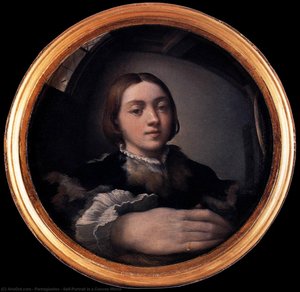
パルミジャニーノの芸術的な旅は1524年頃にフィレンツェへと向かいました。そこで彼はラファエロやレオナルド・ダ・ヴィンチといった巨匠の影響を受けましたが、すぐに独自の道を歩み始めました。教皇クレメンス7世に3枚の絵画を献上し、その中には凸面鏡に描かれた印象的な自画像が含まれていました—それは彼の技術力と芽生え始めた自己認識の証でした。この行為はローマでの依頼を得ることに成功しましたが、1527年の略奪によって都市の芸術的状況はすぐに混乱しました。逃げざるを得なくなったパルミジャニーノはボローニャに避難し、そこで彼の最も有名な作品の一つである聖家族を描きました。この時期に、彼の独特な様式が真に結晶化しました—細長いフォルム、優雅なポーズ、洗練された官能性が彼の芸術のトレードマークとなりました。彼は単に現実を表現しているのではなく、優雅さと理想的な美しさというレンズを通してそれを再構築していたのです。この盛期ルネサンスにおける自然主義への重点からの逸脱は、彼を人工性、洗練さ、古典的フォルムの意図的な歪みによって特徴づけられる芸術運動であるマニエリスムの重要な革新者として位置づけました。細長いフォルムと優雅さの傑作
パルミジャニーノの遺産は、比較的少ないながらも非常に影響力のある作品群の上に築かれています。首の長い聖母(1534)は、おそらく彼の最も象徴的な作品です。その落ち着きがなく魅惑的な構成は、細長い首と手足を持つ人物を特徴とし、従来の美しさや比率に対する概念に挑戦しています。この意図的な歪みは単なる様式的なものではなく、精神的な憧れと世俗離れした優雅さを伝えています。同様に、ローマ滞在中に完成された聖ヒエロニモスの幻視(1527)は、彼の解剖学と遠近法の習熟度を示しつつも、マニエリスムの劇的な構成と感情的な強度を受け入れています。これらの有名な絵画に加えて、パルミジャニーノの素描は並外れた技術力と感受性を示しています。人物、ドレープ、建築要素の研究は、細部への細心の注意とフォルムに対する深い理解を明らかにしています。彼のあまり知られていない作品でさえ、例えば弓を引くアモールなどは、彼の作品を定義する同じ洗練された感性と技術的な巧みさを示しています。中断された遺産:パルミジャニーノの晩年
悲劇的に、パルミジャニーノの有望なキャリアは1540年にカサルマッジョーレで37歳という若さで突然終わりを迎えました。彼の死の状況は依然として不明確です—ある説では熱病に倒れたとされていますが、別の説では転倒による合併症を示唆しています。短い生涯にもかかわらず、パルミジャニーノはイタリア・ルネサンス芸術に消えない足跡を残しました。彼はマニエリスムの最も重要な代表者の一人として名を馳せ、彼の優雅な様式とフォルムと構成に対する革新的なアプローチで何世代もの芸術家に影響を与えました。彼の作品は今日でも観客を魅了し続けており、美が単に観察されるのではなく積極的に創造される世界への一瞥を提供しています—それは芸術的ビジョンの永続的な力の証です。パルマとフォンタネラートに残された未完のフレスコ画は、何ができたのかを痛切に思い出させますが、それでも彼の不完全な状態でも、その輝きは時を超えて響き渡る巨匠の才能を示しています。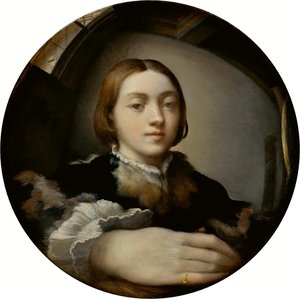
パルミジャニーノ
1503 - 1540 , イタリア
基本情報
- Artistic Movement Or Style: マニエリスム様式
- Artists Or Movements Influenced By This Artist: ['イタリア・ルネサンス']
- Artists Who Influenced This Artist:
- コレッジョ
- ラファエロ
- Date Of Birth: 1503年1月11日
- Date Of Death: 1540年
- Full Name: ジロラモ・フランチェスコ・マッツォーラ
- Nationality: イタリア人
- Notable Artworks (List Of Titles):
- 首の長い聖母
- 聖ヒエロニムスの幻視
- 凸面鏡像
- Place Of Birth (City And Country): イタリア、パルマ
関連記事

The Enduring Legacy of Oil on Canvas: Technique, History & Aesthetic Impact
Explore the rich history & techniques of oil painting – from Renaissance masters to Impressionism. Discover pigments, layering methods, and why this timeless medium endures. Expert insights for artists & art enthusiasts.

Oil on Canvas: A Historical & Technical Exploration of a Timeless Artistic Medium
Explore the rich history & enduring techniques of oil painting on canvas. Discover the science behind its longevity, conservation practices, and contemporary relevance. Expert insights for art enthusiasts.

The Enduring Power of Painting: A Historical & Contemporary Exploration of Form and Emotion
Explore the rich history & enduring techniques of oil painting with ArtsDot. Discover masterpieces, learn about art collecting, and find authentic handmade reproductions crafted by skilled artists.

油彩のキャンバス:技法、歴史、そして現代の実践 - 古典美術愛好家へ
油彩の技法、歴史、巨匠たちの秘密を徹底解説。古典美術愛好家向けに、初期フランドル絵画から現代の実践まで深く掘り下げます。ArtsDotで高品質な複製画やカスタムオーダーも承ります。
NFTコレクター向け:デジタル画像を手描きオイルレプリカに変換し、ミュージアム品質で収益と価値を最大化
ArtsDotは、デジタル画像をミュージアム品質の手描きオイルレプリカへ変換する専門家です。高い技術と厳格な品質管理で、NFTコレクターに信頼できる投資価値を提供します。