

 プレビュー
プレビュー
 プリントを購入
 シェアする
シェアする シェアする
シェアする
 詳細を見る
詳細を見る

 ダウンロード
 似ている作品
 X線調査
X線調査 スライドショー
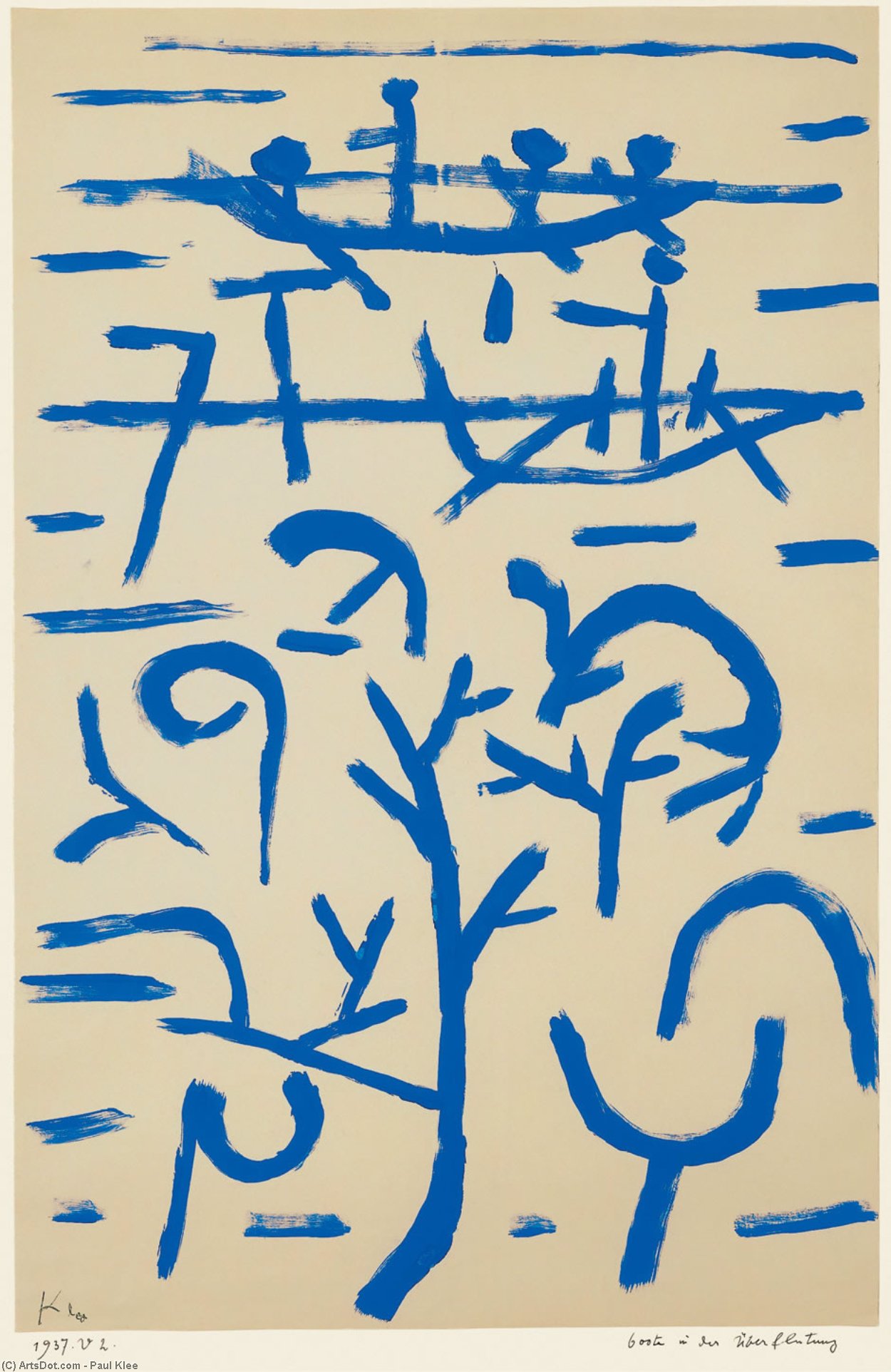
Boats in the Flood
 Watercolor
- WallArt
- Cubism
 1937
1937- Modern
 49.0 x 32.0 cm
 詳細を見る
詳細を見る
オンラインプレビューをはるかに凌ぐ、高解像度で鮮明なデジタル画像をご購入いただけます。
各ファイルは、社内の専門家が高度なツールと熟練した手作業によるレタッチを用いて、細心の注意を払って準備されています。すべての画像において、卓越した鮮明度、正確な色彩再現性、そして繊細なディテールを保証いたします。
最終ファイルは、プロフェッショナルな編集・印刷環境ですぐにご利用いただけるよう最適化された状態で、72時間以内にメールにてお届けいたします。これは、一流のデザインスタジオ、出版社、ギャラリーから信頼されているものと同等の品質です。
デジタル画像のご注文に付随する特典
高品質なデジタル画像配信を、確かな品質で。
ArtsDot.com を選ぶことは、単に画像を手に入れることではありません。それは、プロの手によって精密に仕上げられ、満足保証が付いた高品質なデジタルアートワークを受け取ることを意味します。ご注文いただいた際に自動的に付随する内容は、以下の通りです:

メールですぐにお届け
ご注文から72時間以内に、高解像度のデジタル画像ファイルがメールでお手元に届きます。すぐにそのままご利用いただけます。

AI技術で最適化されたデジタルファイル
お客様の作品は、高度なAIツールと専門家による手作業の編集を組み合わせてプロフェッショナルに最適化されており、細部のディテール、鮮明さ、そして正確な色再現性を最大限に引き出しています。

一生涯無料の再送サービス
ファイルを誤って削除したり、紛失してしまったりしましたか?ご安心ください。いつでも無料で再送いたします。

輸入手数料は一切かかりません
関税や手数料、配送料を気にすることなく、お気に入りのアートワークをすぐにお楽しみいただけます。デジタルダウンロードは常に免税です。

色彩再現の保証
プロ仕様のツールとカラーマネジメント技術を用いることで、デジタル画像が元の色を最大限に忠実に再現することを保証いたします。

60日間満足保証
ご購入いただいたデジタル画像にご満足いただけない場合は、60日以内であれば、修正または100%の返金(理由を問う必要はありません)をさせていただきます。

100% 返金保証
ご満足いただけない場合は、デジタルファイルを受け取ってから60日以内であれば、理由を問わず全額返金いたします。

まとめ買い割引
3枚購入で10%OFF - 5枚購入で15%OFF - 10枚以上購入で20%OFF。クリエイティブなプロジェクト、ギャラリー、エージェンシーに最適です。
作品の詳細
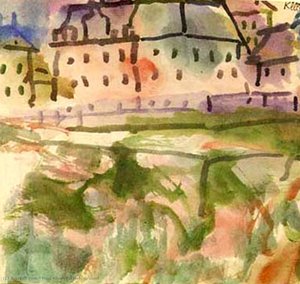
Paul Klee’s “Flood” – A Symphony of Color and Uncertainty
“Flood,” painted in 1937 by Paul Klee, stands as one of the artist's most iconic works—a mesmerizing tableau that encapsulates his distinctive approach to abstraction and invites contemplation on themes of vulnerability, resilience, and the elusive nature of perception. Created during a period marked by escalating anxieties surrounding the looming shadow of World War II, “Flood” isn’t merely a depiction of a natural disaster; it's a profound meditation on human experience itself.
Style and Composition: Embracing Organic Forms
Klee’s style is instantly recognizable for its embrace of organic forms—irregular shapes reminiscent of pebbles, leaves, and flowing water dominate the canvas. Unlike traditional landscapes striving for accurate representation, “Flood” abandons realism altogether, prioritizing expressive gesture and tonal variation over precise detail. The composition itself is deliberately asymmetrical, creating a dynamic tension that mirrors the turbulent forces unleashed by the floodwaters.
Technique: Watercolor and Gouache – Layers of Texture and Illusion
The painting utilizes watercolor and gouache—a combination known for its luminous quality and ability to achieve remarkable textural effects. Klee meticulously applied thin washes of watercolor, building up layers of color that gradually coalesce into richer hues. Gouache, a pigment suspended in binder, provides additional opacity and allows for bold accents of white paint—creating striking contrasts that heighten the visual drama. The artist’s masterful manipulation of these mediums generates an illusionistic depth, drawing viewers into the depicted scene.
Historical Context: Weimar Republic Anxiety
“Flood” emerged from the turbulent backdrop of the Weimar Republic—Germany's fragile democratic experiment grappling with economic instability and political polarization. Klee himself was deeply affected by the pervasive sense of unease that gripped European society in the lead-up to war, reflecting this anxiety through his artistic explorations. The painting’s unsettling atmosphere—characterized by muted tones and ambiguous spatial relationships—mirrors the psychological state of a nation facing imminent peril.
Symbolism: Resilience Amidst Chaos
Beyond its aesthetic qualities, “Flood” is laden with symbolic significance. The boats themselves represent humanity's precarious position amidst overwhelming forces—a fragile vessel attempting to navigate turbulent waters. Yet, despite the apparent chaos depicted on canvas, Klee imbues the scene with a sense of quiet dignity and perseverance. The upward thrust of the boats suggests aspiration toward transcendence—a yearning for stability and harmony in a world consumed by uncertainty.
Emotional Impact: A Reflection of Inner Turmoil
"Flood" resonates deeply with viewers on an emotional level, prompting introspection about themes of vulnerability, fear, and hope. Klee’s masterful use of color and form conveys not only the visual spectacle of a flood but also the profound psychological experience of confronting adversity—a reminder that beauty can emerge even from darkness.
- Artist: Paul Klee
- Year Painted: 1937
- Medium: Watercolor and Gouache on Paper
- Dimensions: 49 x 32 cm
A reproduction of “Flood” offers an exceptional opportunity to experience Klee’s visionary artistry firsthand—bringing a touch of contemplative beauty into any interior space.
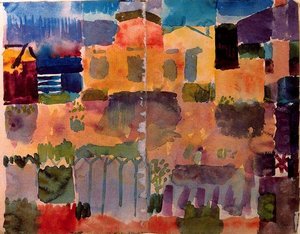
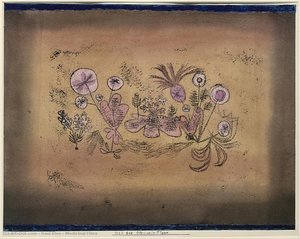
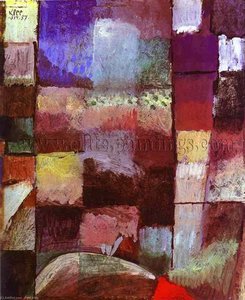
作家の略歴
パウル・クレー:色彩と形が生み出す夢幻の世界
パウル・クレー。その名は、遊び心溢れる抽象表現と深遠な感情の交錯を象徴する存在として、20世紀美術史に燦然と輝いています。1879年12月18日、スイスのミュンヘンブッシュゼーで生まれ、彼の芸術的遍歴は、常に探求を続け、表現主義、立方主義、シュルレアリスムといった様々な潮流の影響を受けつつも、独自の視覚言語を構築していくものでした。音楽教師である父と歌手の母のもとに育まれた幼少期からの芸術への親しみは、彼の作品に色彩と音の調和をもたらす基盤となり、絵画を単なる再現ではなく、感情や思想を抽象的に表現する手段として捉えることへと繋がっていきます。ミュンヒェンの美術アカデミーでの学びを通して、彼は写実的な表現の限界を見抜き、内面世界への扉を開くべく、独自の芸術的探求を開始したのです。初期の試行錯誤と北アフリカ体験
クレーの初期作品には、アール・ヌーヴォーや象徴主義の影響が見られますが、その中でも既に彼の未来的なスタイルを予感させる要素が垣間見えます。1914年のチュニジアへの旅は、彼の芸術的発展における転換点となりました。北アフリカの強烈な光と鮮やかな色彩は、彼に抑制された色調から大胆で表現豊かなパレットへと移行する勇気を与えました。この経験を通して、彼は単なる表面的な模倣ではなく、知覚の本質を捉えるための抽象化へのコミットメントを深めていったのです。クレーにとって、チュニジアとは、単に風景を描写する対象ではなく、感情の共鳴を視覚的形態へと翻訳する媒体だったと言えるでしょう。彼は様々な芸術運動と関わりながらも、決して特定のイデオロギーに囚われることなく、独自の道を歩み続けました。音楽との深い結びつきは、彼の作品における構成のアプローチだけでなく、芸術を音響的な配置と同様の抽象表現の一形態として捉える理論的理解にも影響を与えました。バウハウス時代:創造性の花開く園
1921年から1933年にかけて、クレーはヴァルター・グロピウスによって招聘され、ドイツのバウハウスで教鞭を執るという輝かしい時期を迎えます。この期間は、彼の芸術的発展において極めて重要なものでした。革新的な思想家や芸術家たちに囲まれた環境の中で、彼は色彩理論と形式の関係性をさらに深く探求し、抽象的な形態と感情表現の相互作用を探求しました。しかし、1933年、ナチス政権が台頭すると、彼の作品は「退廃的」であるとして非難され、バウハウスからの解雇という憂き目に遭います。故郷のスイスへと帰還したクレーは、ますます深刻化する政治情勢と自身の健康悪化の中で、不安を抱えながらも創作活動を続けました。作品に込められた象徴性と普遍性
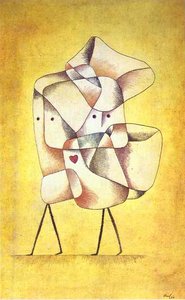
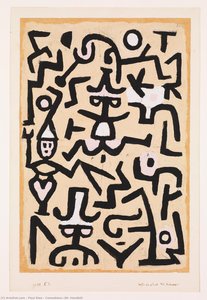
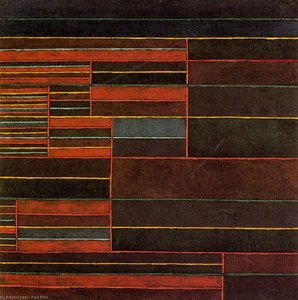
パウル・クレーの作品は、遊び心と深遠な思索が織り交ざった魅惑的な世界です。彼はしばしば子供のようなイメージや気まぐれな構成を用いながらも、それらに多層的な象徴的意味を込めました。彼の作品に登場する庭園、風景、肖像画、抽象的な形態の配置は、人間の経験の複雑さを探求するための手段として機能しています。「パウル・クレーノート」には、色彩とデザインに関する広範な理論的考察が記されており、芸術創造に対する綿密かつ知的なアプローチを垣間見ることができます。ハママット、兄弟たち、六つの閾は、彼の色彩感覚と形態構成の卓越性を象徴する作品です。クレーの影響は絵画の世界にとどまらず、デザインや建築、音楽といった分野にも及んでいます。彼の作品が持つ普遍的な魅力は、見る者を驚きと感動で包み込み、芸術に対する感情的・知的関与を促す力にあります。美術館とさらなる探求
- ツェントルム・パウル・クレー(ベルン): クレーの作品を世界最大規模で所蔵し、彼の芸術的遍歴を包括的に紹介しています。
- ベルン州立美術館: ピカソなどの名画とともに、クレーの重要な作品も展示されています。
- ベルン美術館: スイス最古の美術館であり、クレーを含む多くの近代美術の巨匠の作品を所蔵しています。
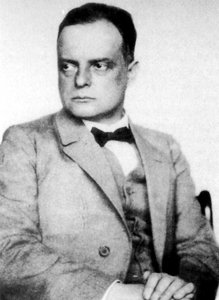
パウル・クレー
1879 - 1940 , スイス
プロフィール概要
- フルネーム: パウル・クレー
- 主な作品:
- ハマメット
- 兄弟
- エン・ラ・コレンテ・セイス・ウンブラレス
- 出生地: ミュンヘンブッシュゼー, スイス
- 国籍: スイス・ドイツ系
- 影響を与えた芸術家/運動: ['現代美術']
- 影響を受けたアーティスト: ['ワシリー・カンディンスキー']
- 死亡年月日: 1940年6月29日
- 生年月日: 1879年12月18日
- 芸術運動/スタイル: 表現主義、構成主義、シュルレアリスム

